Toggle light / dark theme

Cyborgs Aren’t Just For Sci-Fi Anymore

Nthing new; nice to see more folks waking up.


We’re moving beyond just prosthetics and wearable tech. Soon, we’ll all by cyborgs in one way or another.

From The Six Million Dollar Man to Inspector Gadget to Robocop, humans with bionic body parts have become commonplace in fiction. In the real world, we use technology to restore functionality to missing or defective body parts; in science fiction, such technology gives characters superhuman abilities. The future of cyborgs may hinge on that distinction.

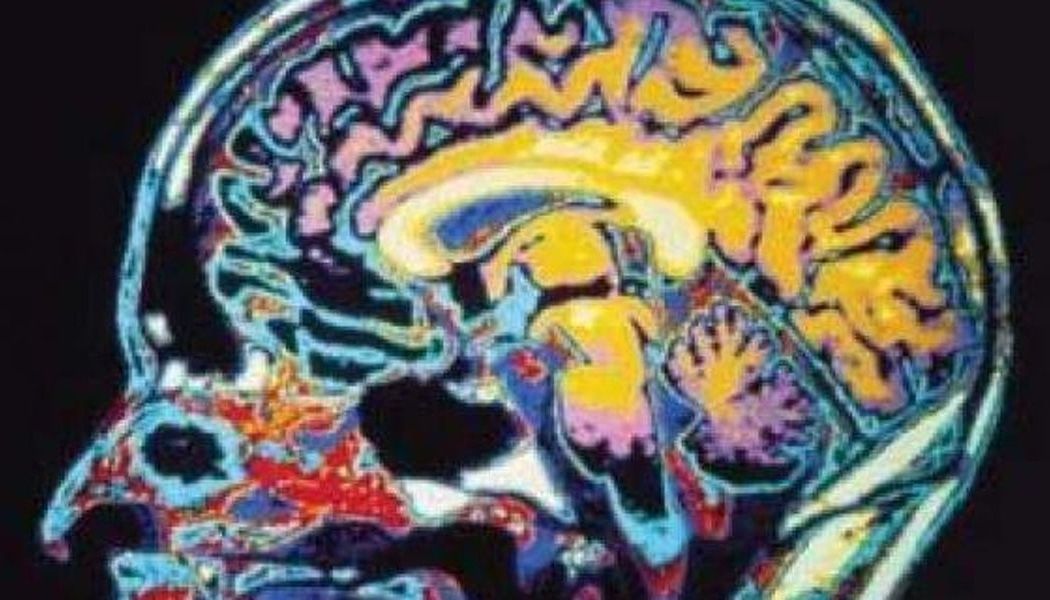
The Defense Advanced Research Projects Agency (DARPA) plans to develop a brain implant that links human brains to computers. Under the Obama administration’s Brain Initiative, DARPA has developed eight programs designed to enhance human physical and cognitive capabilities. The Neural Engineering System Design program seeks to “bridge the bio-electronic divide” via a small implant that acts as a translator between the brain and the digital world, giving humans improved sight and hearing.

New Device Can Ease Chronic Pain Without Drugs, Thanks to Brain Stimulation

This new method of pain treatment can prevent risky side-effects such as addiction, dependence, and overdose-related deaths — and it does so using electricity.

Abuse of prescription pain killers or opioid medicines is common. But then again, how else can you treat chronic pain? Unfortunately, addiction is a terrible side-effect that can lead to overdose-related deaths.

But now a research team from the University of Arlington seems to have found a better and more efficient solution: Electrical stimulation.

Clothes that Transmit Digital Data Are Coming

Imagine shirts that act as antennas for smartphones or tablets, workout clothes that monitor fitness level or even a flexible fabric cap that senses activity in the brain!

All this will soon be possible as the researchers working on wearable electronics have been able to embroider circuits into fabric with super precision — a key step toward the design of clothes that gather, store or transmit digital information.

“A revolution is happening in the textile industry. We believe that functional textiles are an enabling technology for communications and sensing and one day, even for medical applications like imaging and health monitoring,” said lead researcher John Volakis from Ohio State University.

The question of how exactly we experience the world through our perception of consciousness is one that’s long intrigued scientists and philosophers

And at its core are two divergent hypotheses.

On the one hand, it could be that consciousness exists as a constant, uninterrupted stream of perception, like how it feels to watch a movie. You sit down with your popcorn and experience a film from beginning to end in one continuous flow, unaware of any segmentation or breakup as you go.

But another hypothesis of consciousness reflects what a film technically is: a series of individual frames of time stitched together into a reel that – when played back – appear seamless. So which is it? Is consciousness a seamless film, or is it a reel composed of discrete moments?

Our conscious perception of the world feels like a continuous and uninterrupted flow

But a new study suggests that it’s actually more like the frames of a movie reel running through a projector.

There’s still a lot we don’t know about consciousness and how it arises in the brain. Even though perception—such as vision and hearing—feels smooth and uninterrupted, neuroscientists aren’t entirely sure if it flows continuously like water through a tap or if it’s more like the aforementioned 24-frame-per-second movie reel.

http://io9.gizmodo.com/8-things-we-simply-dont-understand-ab…-949442979

Consciousness occurs in ‘time slices’ lasting only milliseconds, study suggests

The question of how exactly we experience the world through our perception of consciousness is one that’s long intrigued scientists and philosophers. And at its core are two divergent hypotheses.

On the one hand, it could be that consciousness exists as a constant, uninterrupted stream of perception, like how it feels to watch a movie. You sit down with your popcorn and experience a film from beginning to end in one continuous flow, unaware of any segmentation or breakup as you go.

But another hypothesis of consciousness reflects what a film technically is: a series of individual frames of time stitched together into a reel that – when played back – appear seamless. So which is it? Is consciousness a seamless film, or is it a reel composed of discrete moments?

Are Humans the New Supercomputer?

Newswise — The saying of philosopher René Descartes of what makes humans unique is beginning to sound hollow. ‘I think — therefore soon I am obsolete’ seems more appropriate. When a computer routinely beats us at chess and we can barely navigate without the help of a GPS, have we outlived our place in the world? Not quite. Welcome to the front line of research in cognitive skills, quantum computers and gaming.

Today there is an on-going battle between man and machine. While genuine machine consciousness is still years into the future, we are beginning to see computers make choices that previously demanded a human’s input. Recently, the world held its breath as Google’s algorithm AlphaGo beat a professional player in the game Go—an achievement demonstrating the explosive speed of development in machine capabilities.

But we are not beaten yet — human skills are still superior in some areas. This is one of the conclusions of a recent study by Danish physicist Jacob Sherson, published in the prestigious science journal Nature.

The era of AI-human hybrid intelligence

You hear a lot these days about the potential for impending doom as AI becomes ever smarter.

Indeed, big names are calling for caution: the futurist optimism of protagonists like Ray Kurzweil is outweighed by the concern expressed by Bill Gates, Elon Musk and Stephen Hawking. And Swedish philosopher Nick Bostrom’s scary thought experiments around what AI might lead to could well sustain a new strain of Nordic noir. There are, indeed, reasons to be concerned.

The fictional Hal’s refusal to open the pod bay doors in Kubrick’s 2001: A Space Odyssey seems a lot less like fiction than it did when the movie came out almost 50 years ago. Today, we have real reason to be concerned about the potential for autonomous drones making decisions about who to take out, or self-driving cars making a choice between hitting a roadside tree and hitting a child.

/* */