According to a recent study, older adults who move around more are likely to have significantly better memory and thinking skills.


Metastasis is the leading cause of death from cancer, occurring when cancer cells separate from the original tumor to proliferate elsewhere. These new cancer cells travel through the bloodstream or lymphatic system. Since these bodily systems are thoroughly connected, cancer can spread to a variety of locations. Breast cancer, for example, “tends to spread to the bones, liver, lungs, chest wall, and brain.”
Cancer cell plasticity — an ability that allows cancer cells to shift physiological characteristics dramatically — fosters metastasis and is responsible for cancer’s resistance to treatments. To combat its resistance, researchers at the University of Basel in Switzerland decided to turn cancer’s cellular plasticity against itself. They used Rosiglitazone, an anti-diabetic drug, along with MEK inhibitors in mice implanted with breast cancer cells. Their aim was to alter the cancer cells.
The drug combination hijacked the breast cancer cells during epithelial-mesenchymal transition (EMT), a process by which the cells undergo biochemical changes. EMT plays a role in many bodily functions, such as tissue repair. In unaltered cancer cells, EMT allows them to migrate away from the original tumor while maintaining their oncogenic properties.

A very good article on the studies on centenarians of Okinawa, on the importance of carbohydrate / protein ratio in diet, genes, calorie restriction and more: “… Genetic good fortune could be one important factor. Thanks to the geography of the islands, Okinawa’s populations have spent large chunks of their history in relative isolation, which may has given them a unique genetic profile. Preliminary studies suggest this may include a reduced prevalence of a gene variant – APOE4 – that appears to increase the risk of heart disease and Alzheimer’s. They may also be more likely to carry a protective variant of the FOXO3 gene involved in regulating metabolism and cell growth. This results in a shorter stature but also appears to reduce the risk of various age-related diseases, including cancer. Even so, it seems unlikely that good genes would fully explain the Okinawans’ longevity, and lifestyle factors will also be important…”
Emerging evidence suggests a 10:1 ratio of carbohydrates to proteins may protect the body from the ravages of ageing.
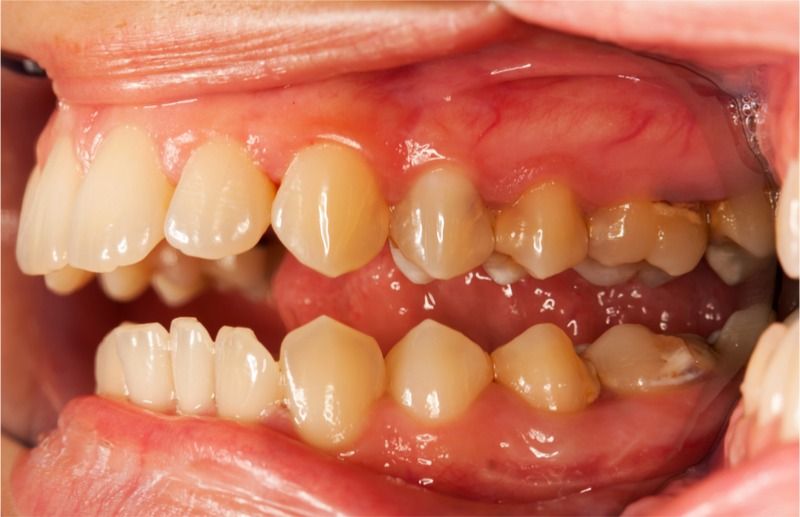
The complex relationship between the microbiome and the rest of the body has only recently started to become truly appreciated. The bacteria of the gut are increasingly looking like a potential player in aging, and some bacteria in the mouth associated with chronic periodontitis may be linked to Alzheimer’s disease [1].
University of Louisville researcher Jan Potempa from the Department of Oral Immunology and Infectious Diseases in the School of Dentistry led a team of scientists in a new study, which demonstrated that the bacteria Porphyromonas gingivalis (P. gingivalis), the main pathogen involved in chronic periodontitis, is also found in the brains of Alzheimer’s disease patients. Chronic periodontitis is a common oral disease that is characterized by the chronic inflammation of periodontal tissues, which is provoked by the accumulation of excessive dental plaque.
It has been suggested before that there may be an infectious element to Alzheimer’s disease, but, until recently, the evidence has been limited [2]. These researchers suggest that their study is strong evidence for a connection between the presence of P. gingivalis and the onset of Alzheimer’s disease.

Another peculiar part of the WEIRD toolkit is our fixation on time. We budget it, struggle to save it, agonise over losing it. We count days, hours and seconds. We are always oriented to exactly where we are on the long arrow of history. In the United States, for example, when doctors screen patients for cognitive impairment, one of the first questions they ask is the year, month and date.
How the world became cognitively samey: the scientific, humanistic and ethical implications of global WEIRDing.

The adorable and enigmatic axolotl is capable of regenerating many different body parts, including limbs, organs, and even portions of its brain. Scientists hope that a deeper understanding of these extraordinary abilities could help make this kind of tissue regeneration possible for humans. With news today of the first complete axolotl genome, researchers can now finally get down to the business of unraveling these mysteries.
Axolotls are tiny aquatic salamanders whose only native habitat is a lake near Mexico City. Many animals, such as frogs, sea stars, and flatworms, are capable of tissue regeneration, but the axolotl is unique in that it can regenerate many different body parts over the course of its entire life cycle, including limbs, tail, heart, lungs, eyes, spinal cord, and up to half of its brain.
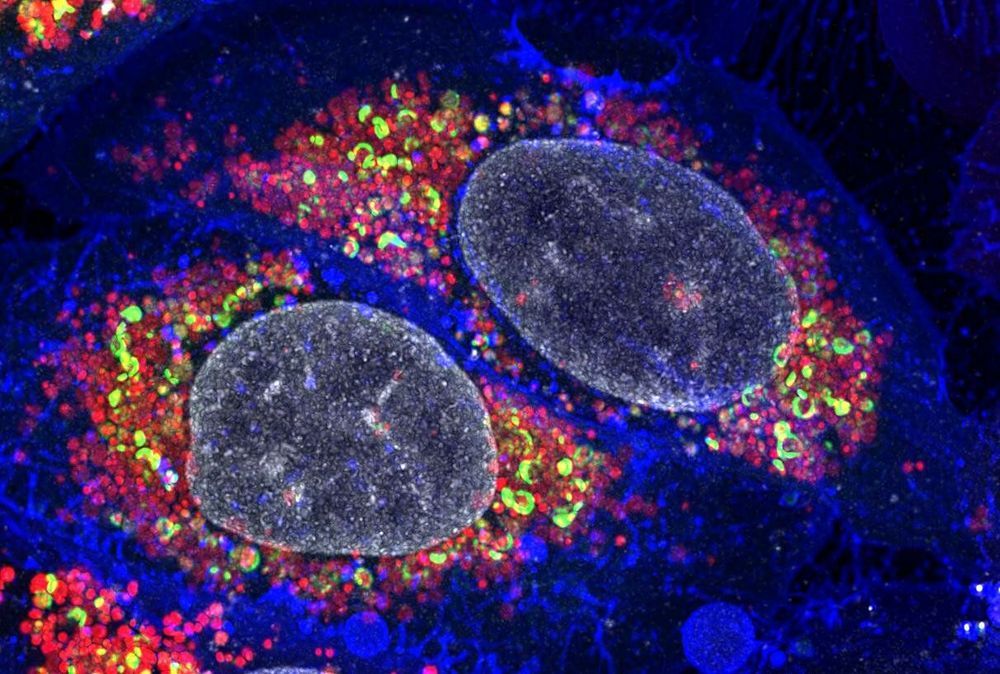
Monash researchers have unlocked a key process in all human cells that contributes to diseases like cancer and neurodegenerative diseases as well as ageing. The discovery reveals how cells efficiently get rid of cellular junk, which when it accumulates, can trigger death and the health problems associated with getting older.
Autophagy is the ‘clean-up crew’ of the cell—used by cells to break-down debris like broken proteins, bits of cell membrane, viruses or bacteria. To capture this trash, cells use specialised membranes to trap the cargo for recycling into new parts and energy. Without efficient autophagy cells become choked by their own damaged components, which can contribute to the development of a range of diseases, including diabetes, muscular dystrophy, Parkinson’s and Alzheimer’s disease.
Dr. Michael Lazarou’s laboratory from the Monash Biomedicine Discovery Institute have today published data in Nature Communications that debunks previously held beliefs about how cells target their trash. Cells target different types of cargo by using ‘autophagy receptors’, which can bind the cargo as well as the ensnaring membranes. Until recently these autophagy receptors were thought to recruit the membranes to the cargo, but research led by Dr. Benjamin Padman from the Lazarou lab now shows that this is not the case.

In the new paper, Jason Snyder, Ph.D., a University of British Columbia behavioral neuroscientist, argues that if you take a close look at all the studies on animals from mice to humans, the facts are quite clear: Animals probably don’t develop significant amounts of new brain cells as we enter adulthood. There’s still hope for some neurogenesis, but not a huge amount.
“In some respects, it’s just one of the things that humanity has always hoped for — staying young,” he tells Inverse. “So I think it’s been disconcerting that there might not be as many of these young cells that are malleable, that are adaptive, that are capable of learning earlier in life. Of course we want those things to be there, but I think that introduces some bias.”
To be clear, Snyder doesn’t argue that the field is biased. Instead, his argument is based on the analysis of past studies that have looked into this topic in humans, primates, and mice. There he admits that there’s been some confusion — some studies seem to show that the brain can continue to develop new cells later in life, while others show that it can’t. Specifically, he says that it’s been hard to let go of the idea of neurogenesis because of the results of animal studies (many on mice) “demonstrating persistent neurogenesis throughout life.”
Nature nurture part… One of the better talks I’ve heard so far though lately on the subject. Might even give the book a try. More enjoyable and informative for me than Robert Plomin’s exploits lately, though they are kind of in agreement in some regards.