A long summary.
Could we live to 140? 1,000? Is there a limit? Scientific research into extending the human life span is being backed by Silicon Valley giants like Google and Facebook.

German Party for Health Research is calling for more funding for studies on aging and age-related diseases! Nice initiative! Good luck!
It seems the only reason why the situation with state funding for medical research has not improved over time in a given country is the lack of well-organized public initiatives to support the necessary changes.
People are rarely offered a clear program of action that could promote the development of therapies that might bring aging under medical control and address age-related diseases.
German Party for Health Research is offering such a program, and so far its activities are quire fruitful. We wish them good luck!
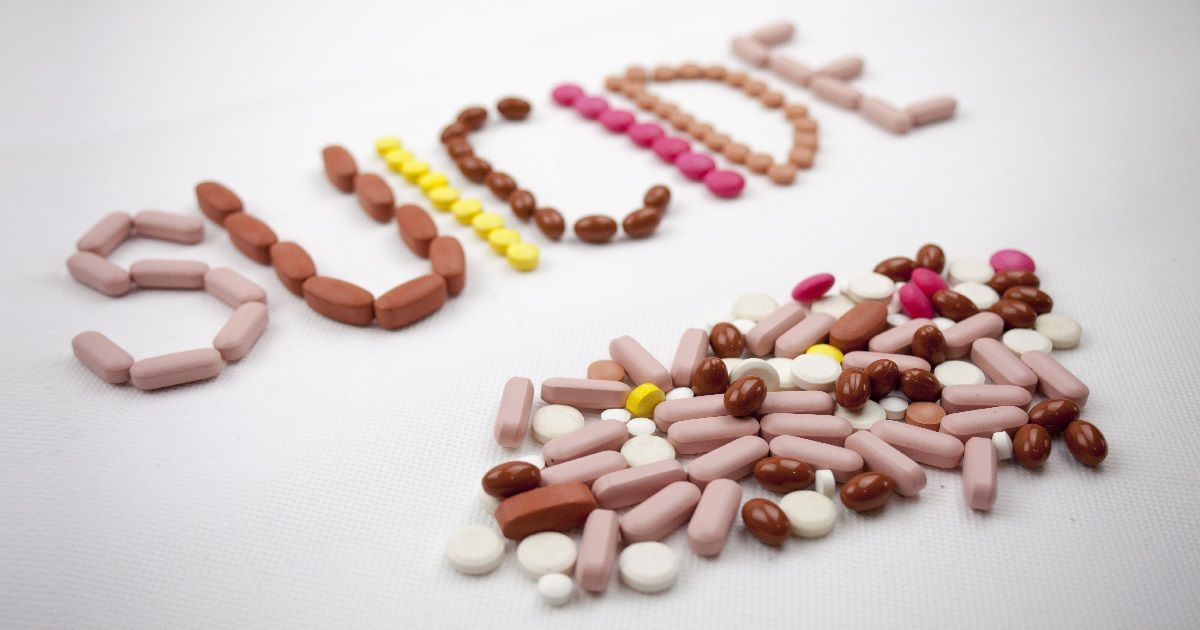
Summary: The mitochondrial free radical theory of aging says that if we consume antioxidant supplements, we can repair the damage caused by free radicals. However, this recommendation is contradicted by a large body of evidence which shows that antioxidant supplements are often harmful. Researchers are discovering more effective ways to improve health by clearing our mitochondrial damage caused by free radicals.
Are you killing yourself in a bid to live a longer healthier life?
A growing body of evidence shows that if you take antioxidant supplements, and you are otherwise healthy, then you are wasting your money, and damaging your liver and nervous system.

Most people don’t realize that all human beings have two sets of DNA in their bodies, the DNA inside our chromosomes, and a foreign DNA inside our mitochondria, that our ancestors stole from bacteria over a billion years ago.
Look into any of your cells, and you’ll see mysterious foreign DNA lurking inside your mitochondria, the tiny organelles that litter your cells. Recently, mitochondria have come under a growing scientific spotlight; scientists increasingly believe they play a central role in many, if not most, human illnesses. Mitochondria are the powerhouses of the cell, and when they falter, our cells lose power, just as a flashlight dims when its batteries weaken. Recently, researchers have linked mitochondria to an array of metabolic and age-related maladies, including autism, type 2 diabetes, cancer, Alzheimer’s, Parkinson’s, and cardiovascular disease.
While our mitochondria did not come from another planet, they might as well have. Peer through a microscope, and you’ll swear that tiny aliens have invaded your cells. You are partially correct. Mitochondria appear out of place compared to the other structures within the cell. Something ‘alien’ has invaded our cells, eons ago, but it came from primordial bacteria, a distinctly terrestrial source.

For much of human history, living up to a ripe old age was seen as a gift from the gods, an aberration, or just the product of sheer luck. Given that up to the beginning of the twentieth century many of us succumbed to disease at an early age, being extremely fortunate to live anywhere past the age of forty, it should be no surprise that living a long life is still beatified today as something akin to winning the lottery.
Even when confronted with the galloping pace of scientific advances in human longevity, our historical sensibilities have led us to take a defeatist stance towards the subject: “Even if longevity interventions become available during my lifetime, I am already too late to take advantage of them, so why bother?”
Indeed, this hesitation to see human life extension as a real possibility in our lifetime, dismissing it as a dream belonging to the realms of science fiction[1] and futuristic utopias[2] is not an uncommon one, and as long as tangible rejuvenation therapies do not become available, we will feel validated in our pragmatism.
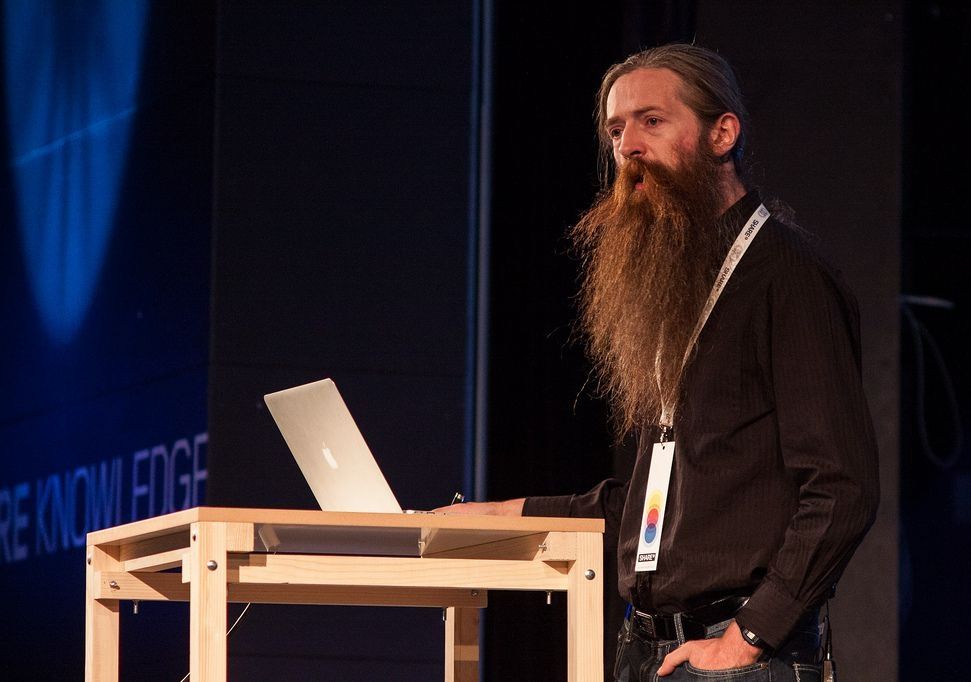
We are delighted to announce that Dr. Aubrey de Grey has accepted our offer to join the LEAF scientific advisory board, and he joins the other luminaries whose expertise we already benefit from.
The majority of you already know about Dr. Aubrey de Grey and his work at the SENS Research Foundation, but for those who are not familiar with him, here is a short introduction.
AgeX Therapeutics: A Discussion with Dr. Aubrey de Grey, V.P. New Technology Discovery and Dr. Michael West. Co-CEO of BioTime & CEO of AgeX Therapeutics.
Recorded: July 2017
Full Interview ► https://goo.gl/PvUjjU
Michael B. Fossel, M.D., Ph.D. (born 1950, Greenwich, Connecticut) was a professor of clinical medicine at Michigan State University and is the author of several books on aging, who is best known for his views on telomerase therapy as a possible treatment for cellular senescence. Fossel has appeared on many major news programs to discuss aging and has appeared regularly on National Public Radio (NPR). He is also a respected lecturer, author, and the founder and former editor-in-chief of the Journal of Anti-Aging Medicine (now known as Rejuvenation Research).
Prior to earning his M.D. at Stanford Medical School, Fossel earned a joint B.A. (cum laude) and M.A. in psychology at Wesleyan University and a Ph.D. in neurobiology at Stanford University. He is also a graduate of Phillips Exeter Academy. Prior to graduating from medical school in 1981, he was awarded a National Science Foundation fellowship and taught at Stanford University.
In addition to his position at Michigan State University, Fossel has lectured at the National Institute for Health, the Smithsonian Institution, and at various other universities and institutes in various parts of the world. Fossel served on the board of directors for the American Aging Association and was their executive director.
Fossel has written numerous articles on aging and ethics for the Journal of the American Medical Association and In Vivo, and his first book, entitled Reversing Human Aging was published in 1996. The book garnered favorable reviews from mainstream newspapers as well as Scientific American and was published in six languages. A magisterial academic textbook on by Fossel entitled Cells, Aging, and Human Disease was published in 2004 by Oxford University Press.
Since his days as a teacher at Stanford University, Fossel has studied aging from a medical and scientific perspective with a particular emphasis on premature aging syndromes such as progeria, and since at least 1996 he has been a strong and vocal advocate of [telomerase therapy]] as a potential treatment of age-related diseases, disorders, and syndromes such as progeria, Alzheimer’s disease, atherosclerosis, osteoporosis, cancer, and other conditions. However, he is careful to qualify his advocacy of telomerase therapy as being a potential treatment for these conditions rather than a “cure for old age” and a panacea for age-related medical conditions, albeit a potential treatment that could radically extend the maximum human life span and reverse the aging process in most people. Specifically, Fossel sees the potential of telomerase therapy as being the single most effective point of intervention in a wide variety of age-related medical conditions. His new book, The Telomerase Revolution, (BenBella, 2015) gives a careful explanation of aging, age-related diseases, and the prospects for intervention, including upcoming human trials.

More great news with the book Mark O’Connell’s “To Be a Machine”, whose closing chapter is on The Immortality Bus journey and my presidential run. It was nominated on the longlist of UK’s Baillie Gifford award for nonfiction. This is one of the most prestigious nonfiction prizes in the UK: http://www.foyles.co.uk/news/2017-Baillie-Gifford-Longlist%20Announced #transhumanism
Non-Fiction.
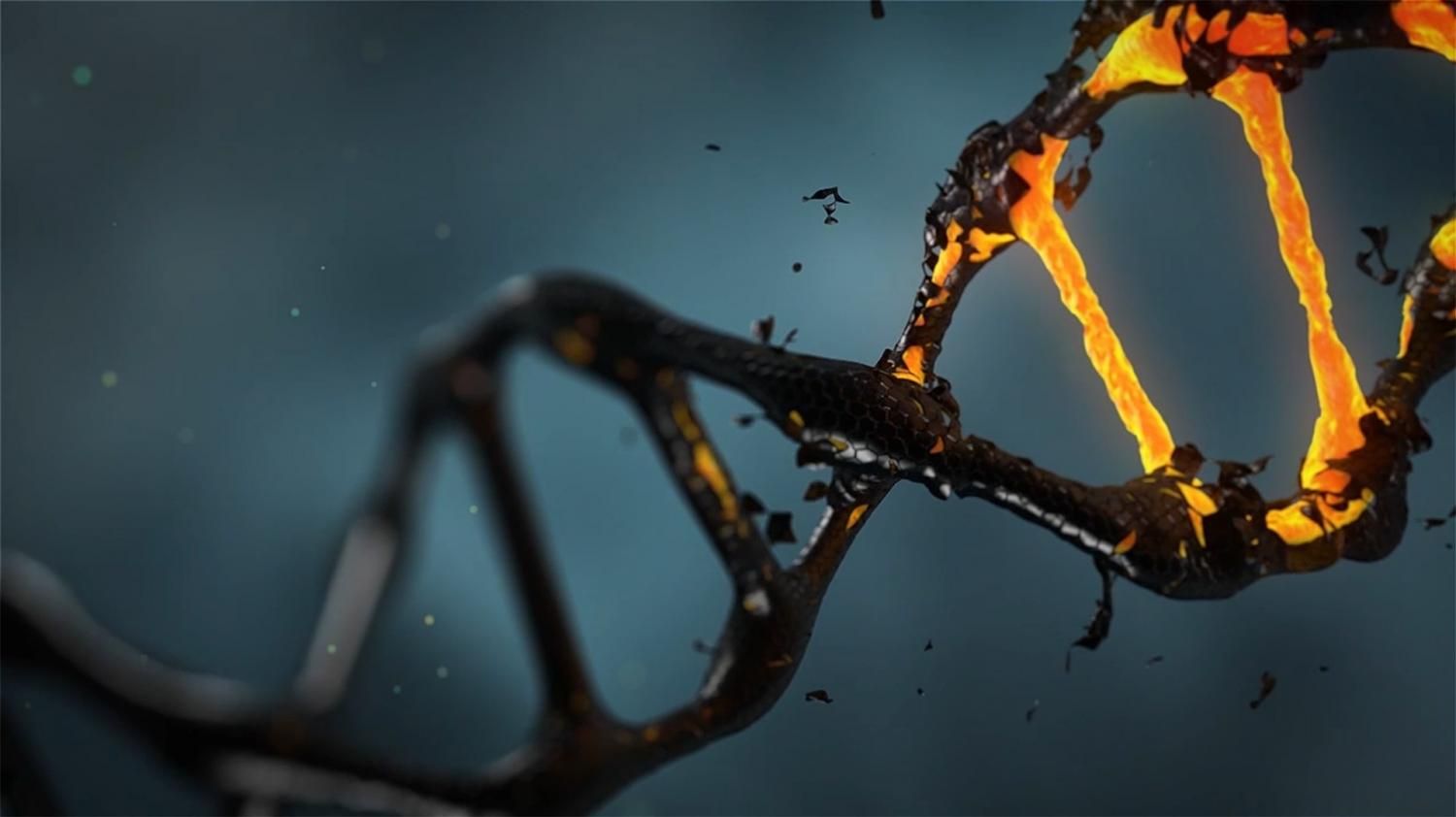
Researchers at the Institute of Molecular Biology (IMB) in Mainz, Germany, have made a breakthrough in understanding the origin of the ageing process. They have identified that genes belonging to a process called autophagy — one of the cells most critical survival processes — promote health and fitness in young worms but drive the process of ageing later in life. This research published in the journal Genes & Development gives some of the first clear evidence for how the ageing process arises as a quirk of evolution. These findings may also have broader implications for the treatment of neurodegenerative disorders such as Alzheimer’s, Parkinson’s, and Huntington’s disease where autophagy is implicated. The researchers show that by promoting longevity through shutting down autophagy in old worms there is a strong improvement in neuronal and subsequent whole body health.
Getting old, it’s something that happens to everyone and nearly every species on this planet, but the question is, should it? In a recent publication in the journal Genes & Development titled “Neuronal inhibition of the autophagy nucleation complex extends lifespan in post-reproductive C. elegans,” the laboratory of Dr Holger Richly at IMB, has found some of the first genetic evidence that may put this question to rest.
As Charles Darwin explained, natural selection results in the fittest individuals for a given environment surviving to breed and pass on their genes to the next generation. The more fruitful a trait is at promoting reproductive success, the stronger the selection for that trait will be. In theory, this should give rise to individuals with traits which prevent ageing as their genes could be passed on nearly continuously. Thus, despite the obvious facts to the contrary, from the point of evolution ageing should never have happened. This evolutionary contradiction has been debated and theorised on since the 1800s. It was only in 1953 with his hypothesis of antagonistic pleiotropy (AP) that George C. Williams gave us a rational explanation for how ageing can arise in a population through evolution. Williams proposed that natural selection enriches genes promoting reproductive success but consequently ignores their negative effects on longevity.