Toggle light / dark theme

Photographic Age Biomarker in Mice

We are using A.I. and Computer Vision Techniques to Determine Age and Assess the Effect of Therapies Against Aging in Mice, Increasing the Pace of Life Extension Research. Please subscribe, share, and fund our campaign today! ►Campaign Link: https://www.lifespan.io/mouseage ►Subscribe: https://www.youtube.com/user/LifespanIO?sub_confirmation=1


MouseAGE is working to develop the first photographic biomarker of aging in mice to help validate potential anti-aging interventions, save animal lives, and greatly speed up the pace of longevity research.

To create it we will harness the power of an area of artificial intelligence called Machine Learning, and in particular Deep Learning.

Machine Learning, where a computer system can train itself to become better at a task without explicit programming, has already showed great performance in areas such as human facial recognition, autonomous driving, medical image processing, recommendation engines and many others. While these results are powerful, building up the necessary Neural Networks, or algorithms inspired by the human brain, requires a large dataset of images to use for training: thousands of them.

Due to this, the first stage of the project will be to build a simple instrument for data collection, implemented in a mobile application. This will be distributed among numerous mouse breeding facilities and research universities all over the world to rapidly collect and properly annotate image data for analysis.
Brian Cox says we’ll soon upload our brains onto computers

It may sound like the plot from the latest science fiction blockbuster, but uploading your brain onto a computer to achieve immortality could soon become a reality.

In a new interview, Professor Brian Cox said that the technique, known as ‘technological singularity’ could be available sooner than you think.

Professor Cox said that he found ‘no reason at all’ why human intelligence couldn’t be simulated by computers — although he did not express a timeline for this to happen.

A Potential Path to Treating Inflammation-related Aging and Cancer

The link between inflammation, cellular senescence, aging, and cancer is a complex relationship, but a new study sheds light on how these four interact.

The light and dark side of inflammation and cellular senescence

Cellular senescence is a protective mechanism that helps us to stay healthy and avoid cancer by removing damaged and aged cells from the cell cycle while preventing them from creating damaged copies of themselves. Senescent cells are disposed of via a self-destruct process known as apoptosis.

Why a Longer Life Does Not Mean Longer Decrepitude

Whenever the topic of increasing human lifespan is discussed the concern is sometimes raised that a longer life would mean a life spent frail and decrepit. This is sometimes known as the Tithonus error and shows a fundamental misunderstanding of the aims of rejuvenation biotechnology. The concern is based on the ancient Greek myth of Tithonus which might be thought of as a cautionary tale warning seekers of an eternal life of its alleged inherent dangers.

The myth of Tithonus in brief

Tithonus, the story goes, was a mere mortal who was in love with Eos, the beautiful titan of the dawn. His feelings were requited, but, unfortunately, their idyll was not destined to last. Being a titan, Eos was also a deity and thus immortal, unlike Tithonus, who one day would die of old age if not of some other cause. Eos thus turned to Zeus and asked him to make Tithonus immortal as well. Zeus granted Eos’ wish, but even this did not solve the two lovers’ problem; the father of the gods had granted Tithonus immortality, not eternal youth.

End Aging Now

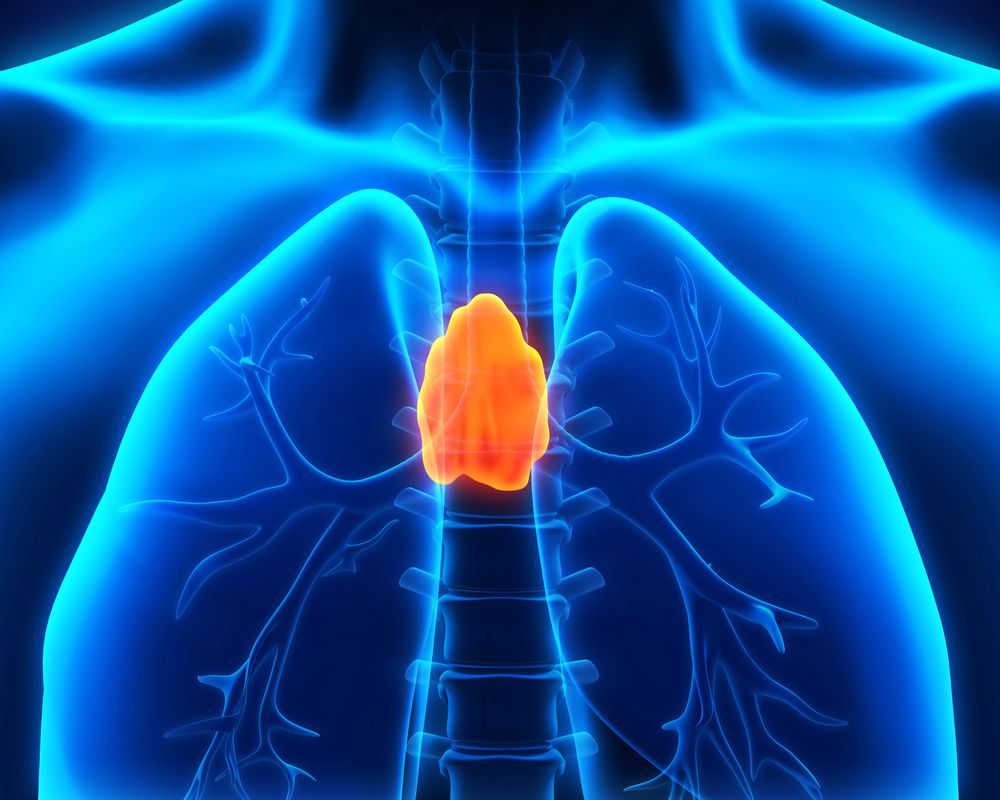
As we age, the thymus begins to shrink, and fewer numbers of T cells are created and trained to fight. This structural decay of the thymus is one of the main reasons why we become increasingly vulnerable to infectious diseases, such as influenza and pneumonia. The other reason is immune cells becoming senescent.

So, what can we do about it? Check out our new exclusive interview and find out.

Dr. Greg Fahy – Rejuvenating the Thymus to Prevent Age-related Diseases

As we age, the thymus begins to shrink, and fewer numbers of T cells are created and trained to fight. This structural decay of the thymus is one of the main reasons why we become increasingly vulnerable to infectious diseases, such as influenza and pneumonia. The other reason is immune cells becoming senescent.

There are a number of possible solutions to this problem. Firstly, engineering new healthy and youthful thymic tissue might help to restore the immune system, and indeed a number of groups are working towards this.

Secondly, some researchers are focused on encouraging the aged thymus to regrow using various approaches, such as stem cell transplants, cellular reprogramming or chemical compounds. Dr. Greg Fahy is involved in researching this second approach, and we had the opportunity to speak to him about this work.

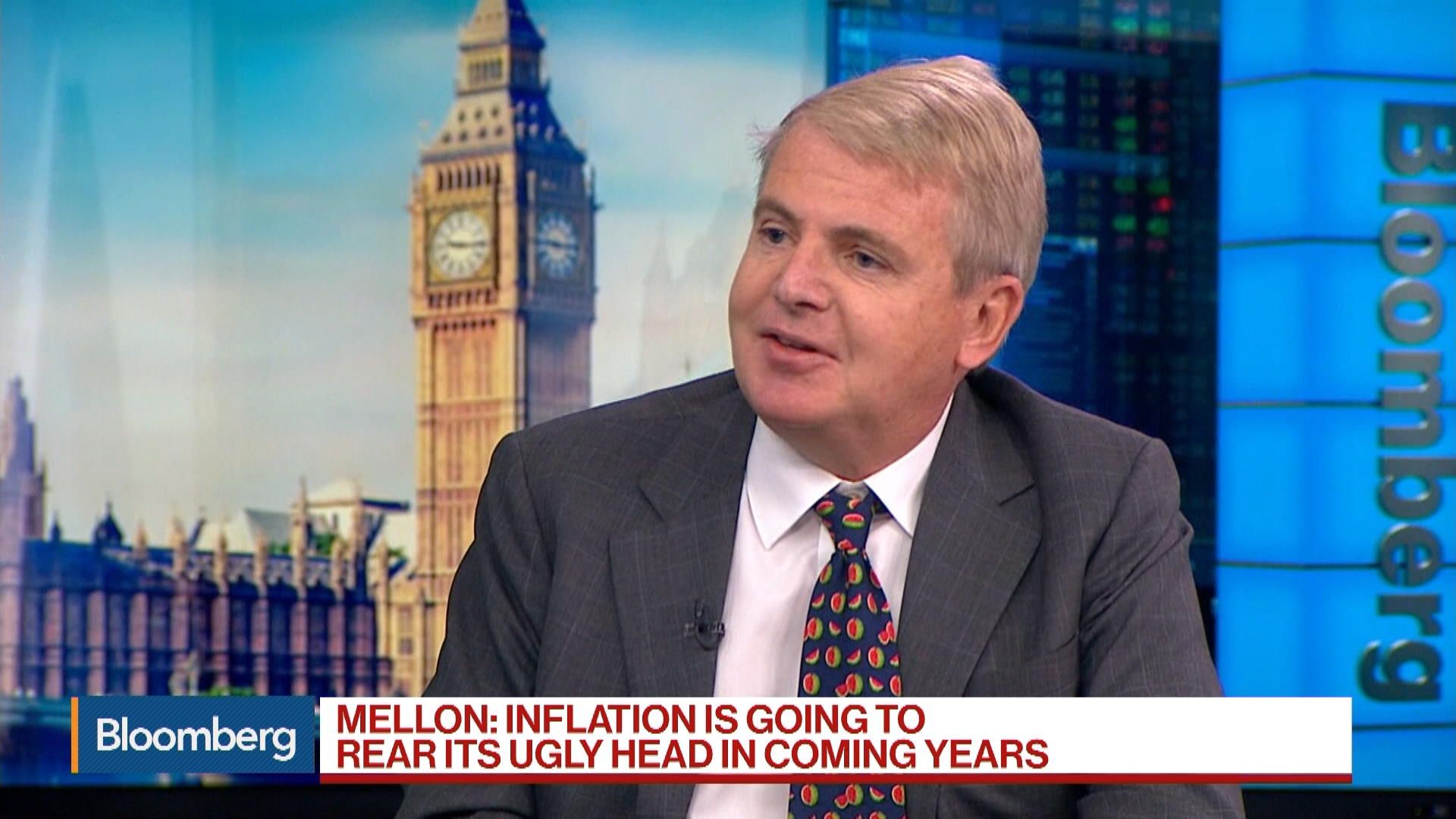
Jim Mellon talks to Dominic Frisby in Stuff That Interests Me

For this new book, Jim and Al have spent a year sifting through the cutting-edge research, visiting laboratories and interviewing key opinion leaders in the field of life extension. https://www.juvenescence-book.com/


My guest today on Stuff That Interests Me is one of Britain’s most successful investors, Jim Mellon.

You’re going to live till your 120.

Jim explains why — a combination of new drugs, technologies and lifestyles. What are you going to do with all your time?

The next great investment trend will be around the fact that we are all going to love a lot longer. Find out more in the this fascinating interview.

/* */