This will be the first visual biomarker for aging in mice, and will help validate potential anti-aging interventions. For more info please visit:
https://www.lifespan.io/campaigns/mouseage-photographic-aging-clock-in-mice/
This will be the first visual biomarker for aging in mice, and will help validate potential anti-aging interventions. For more info please visit:
https://www.lifespan.io/campaigns/mouseage-photographic-aging-clock-in-mice/

The old saying “use it or lose it” very much applies to reducing the impact that aging has on the mind and body. Of all the things we can do right now to help stay healthy as we grow older, exercise is probably the most useful.
Supplements have questionable results in humans, and none can really be described as geroprotective due to the lack of data. However, lifestyle and diet are very important in how we age, and caloric restriction has shown some interesting benefits in multiple species, including humans.
However, of all these things, exercise is probably the most important, and staying active can greatly influence our trajectory towards frailty in old age. Many people do not get the exercise they need as they age and, as a result, this can influence how well they age. Certainly, some level of age-related frailty may be a case of neglect and not exercising enough[1].
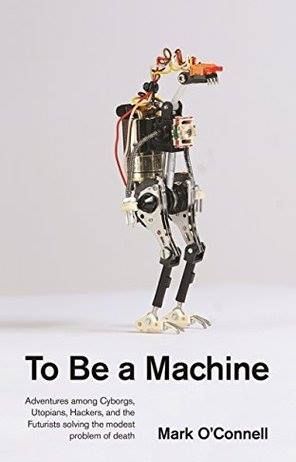
I’m excited to see Mark O’Connell’s book “To Be a Machine” (about # transhumanism ) get shortlisted for the Royal Society Science Book Prize, one the biggest science book prizes in the world. The final chapter of “To Be a Machine” is about my Immortality Bus journey and presidential campaign (a version of that chapter appeared in The New York Times Magazine after Mark rode with me on the bus). The book also has a wikipedia page now. Winner to be announced on September 19. https://en.m.wikipedia.org/wiki/To_Be_a_Machine

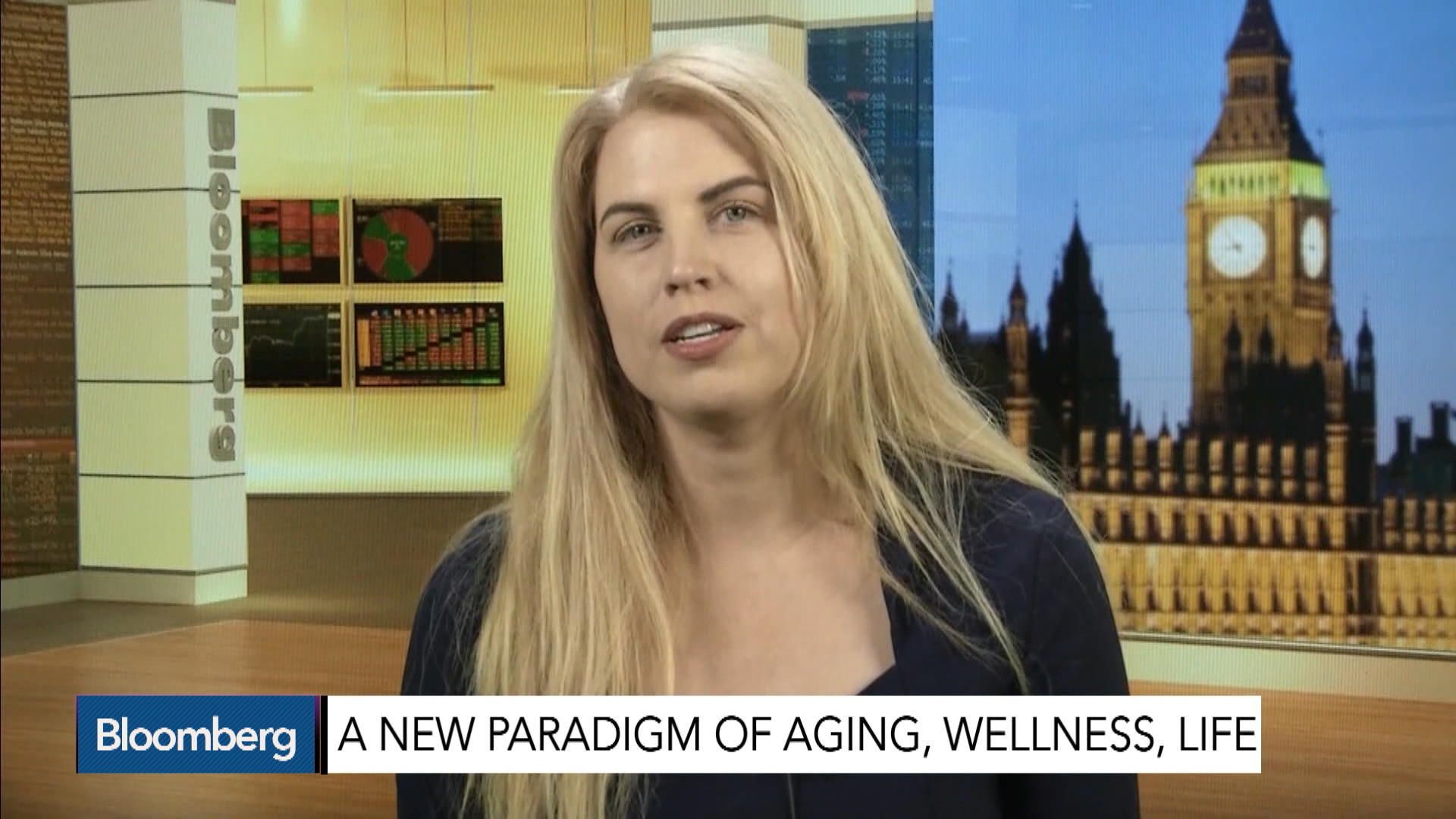
Good quick interview. Technical, and a mention that it’s not just about telomeres.
BioViva is looking for a way to slow aging. Globalive Chairman Anthony Lacavera talks to CEO Elizabeth Parrish, who is using herself as a test subject and claims to have seen some fascinating results. (Source: Bloomberg)
Futurist José Cordeiro talks longevity, AI, and the humanitarian crisis in Venezuela.
—————
Like us on Facebook: https://www.facebook.com/Reason.Magaz…
Follow us on Twitter: https://twitter.com/reason
Reason is the planet’s leading source of news, politics, and culture from a libertarian perspective. Go to reason.com for a point of view you won’t get from legacy media and old left-right opinion magazines.
“In 30 years, I will be younger than today, not older,” says José Luis Cordeiro, who’s a founding faculty member at Singularity University, a Silicon Valley-based think tank devoted to futurism. “Why? Because we are going to have rejuvenation techniques, and these experiments are beginning right now.”
A mechanical engineer with a degree from MIT, Cordeiro has worked in fields ranging from monetary policy to petroleum engineering, and he created the first formal “future studies” course at the Austrian School of Economics in Venezuela, his birth country.
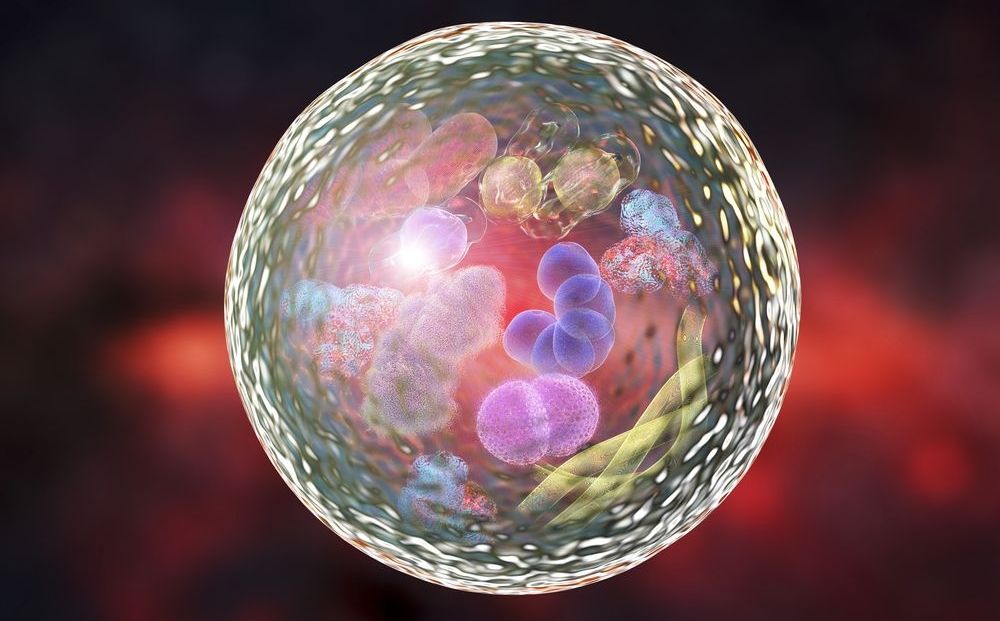
Autophagy means “eating of self” (“auto”= self; “phag” = eating)[1]. Although its name might sound harmful, autophagy appears to have longevity-promoting effects[2]. Here, we will explain what autophagy is, how it works, its benefits, and how it plays a role in aging.
What is Autophagy?
Autophagy is the way cells break down misbehaving or nonfunctional organelles and proteins in the cell[1,2]. This means autophagy can consume organelles such as, mitochondria, peroxisomes, and the endoplasmic reticulum[1].


The Italian version of Rejuvenaction is up and running! If you know Italian speakers who would like to know about rejuvenation biotechnologies and advocacy, please let them know!
I’m pleased to announce the launch of Rejuvenaction Italia, the Italian version of Rejuvenaction. As you might know, Italian is my native language, and while I have neglected/postponed online advocacy in Italian for over two years now, I realised that, as the topic of rejuvenation starts to reach broader audiences, there’s a necessity to make information available in several languages, for the benefit of those who don’t speak English. Regardless of one’s native language, the questions people have about rejuvenation are always the same: How do you do it? Why? Have you thought of overpopulation? And tyrants living forever? and so on. Thus, Rejuvenaction Italia (henceforth officially nicknamed RJi, and accordingly Rejuvenaction will be simply RJ) is essentially a clone of RJ, except in Italian. The blog won’t be nearly as lively as that here on RJ because, you know, there are only 24 hours in a day. I will translate some of the most substantial posts or important news from RJ to RJi, though, and there will be RJi -specific posts that won’t be worth translating into English.
If you speak Italian and/or know someone who does, it may be worth checking out RJ’s Italian clone and share the news on your social media. I would appreciate that very much. 🙂 There’s a link to RJi at the top of the sidebar.
As I translated the contents of RJ into Italian, I took advantage of the occasion to rewrite some articles that were long due for an update, and added entire new sections. You might have noticed them silently popping up here on the English site, together with a minor graphics revamp.