New research reveals how cells prevent telomerase from meddling with double-stranded breaks.

#longevity #science

A study from the University of Michigan has shown that traumatic experiences during childhood may get “under the skin” later in life, impairing the muscle function of people as they age.
The study examined the function of skeletal muscle of older adults paired with surveys of adverse events they had experienced in childhood. It found that people who experienced greater childhood adversity, reporting one or more adverse events, had poorer muscle metabolism later in life. The research, led by University of Michigan Institute for Social Research scientist Kate Duchowny, is published in Science Advances.
Duchowny and her co-authors used muscle tissue samples from people participating in the Study of Muscle, Mobility and Aging, or SOMMA. The study includes 879 participants over age 70 who donated muscle and fat samples as well as other biospecimens. The participants also were given a variety of questionnaires and physical and cognitive assessments, among other tests.

What’s the optimal way to dose a longevity drug like rapamycin? Nils Osmar looks at some different studies that provide a possible answer:
It’s worth noting that mTORC2 is not directly inhibited by rapamycin under most circumstances, but can be under some. Some studies have found that after prolonged use, rapamycin can also begin inhibiting mTORC2 (see study: Alternative rapamycin treatment regimens mitigate the impact of rapamycin on glucose homeostasis and the immune system).
So taking breaks from rapamycin may also be beneficial.
Could taking some time off undermine rapamycin’s anti-aging benefits? It’s hard to know for sure, because people are so long-lived there’s no way to test its effects on human aging directly. But in mice, at least, it’s been found that administering rapamycin for two weeks out of every four can still significantly extend lifespan (see study: Alternative rapamycin treatment regimens mitigate the impact of rapamycin on glucose homeostasis and the immune system).

Nobel Prize-winning molecular biologist Venki Ramakrishnan sat down with ABC News Live to discuss the science and ethics of extending the human lifespan.
In his new book, “Why We Die: The New Science of Aging and the Quest for Immortality,” Ramakrishnan explains why we may not want to lengthen our lives much longer.
Ramakrishnan’s thought-provoking argument is that a society where people lived for hundreds of years could potentially become stagnant, as it would consist of the same group of people living longer, raising important questions about societal dynamics and progress.
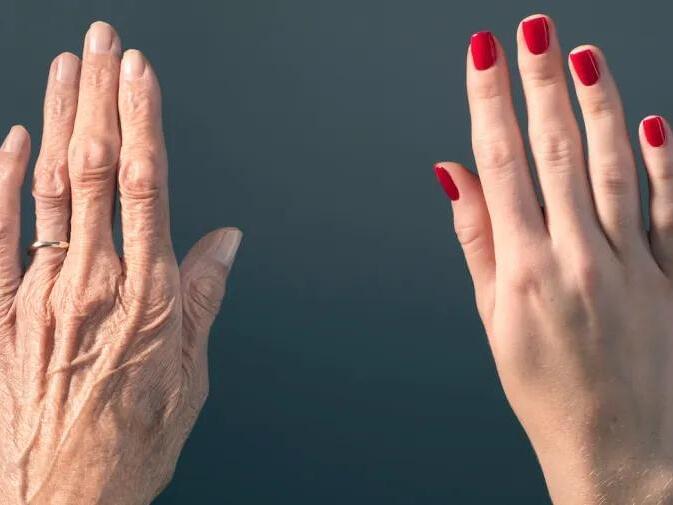
An increase in cancers among people 55 years old and younger may be related to accelerated aging in recent generations, according to a study presented at a conference earlier this month.
Experts say years of research support this, though more questions remain to be answered.
Researchers from the Washington University in St. Louis’s medical school presented the findings from their study on accelerated aging earlier this month at the American Association for Cancer Research Annual Meeting.
Taking mouse lifespan to the next levelmoderatorcaitlin lewisspeakersdanique wortel / aubrey de grey / brian kennedy10:30 AM.

Join us on Patreon! https://www.patreon.com/MichaelLustgartenPhDDiscount Links: Epigenetic Testing: https://trudiagnostic.com/?irclickid=U-s3Ii2r7xyIU-LSYLyQ…
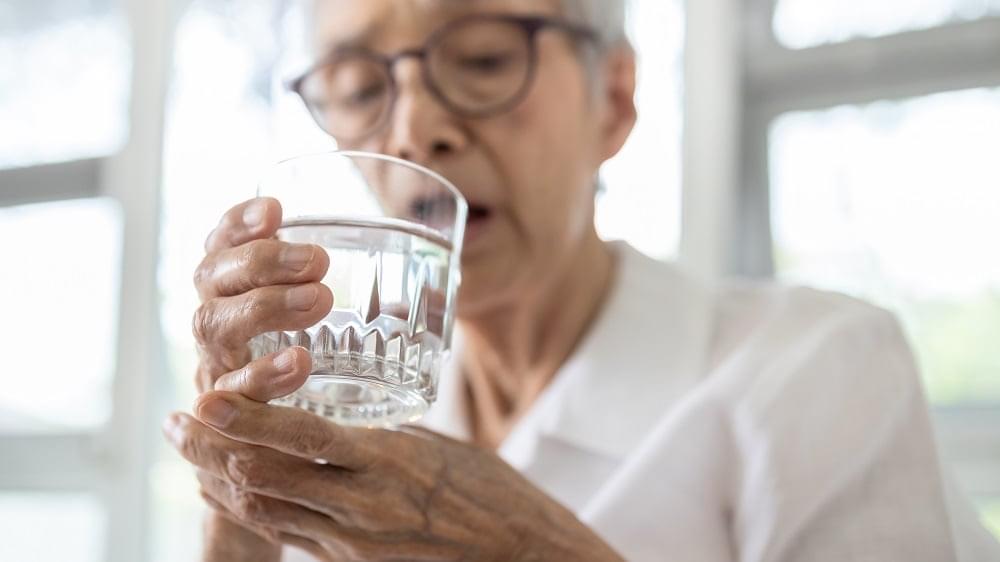
Scientists have tested a novel method of providing cells with healthy mitochondria to fight Parkinson’s disease [1].
Parkinson’s disease is the second-most prevalent neurodegenerative disorder, and it affects 10 million people worldwide. The disease is age-related, as its prevalence rises rapidly in people older than 65, although some people are diagnosed much earlier. Parkinson’s disease is characterized by both motor and mental problems: tremor, rigidity (stiffness), and slowness of movement along with memory and thinking deficits.
Parkinson’s disease is caused by the loss of dopamine-producing (dopaminergic) neurons in a brain region called the substantia nigra. Therapeutic options are limited, and some of the existing ones cause nasty side effects.