Toggle light / dark theme

Official Alcor Statement Concerning Marvin Minsky

The legal death of Marvin Minsky was publicly reported on Monday, January 25, 2016. There has been speculation on the part of numerous individuals and publications that he may have been cryopreserved by Alcor. This notice is Alcor’s formal response to inquiries on this issue.

In a public ceremony at the Extro-3 conference in 1997, nanotechnology pioneer Eric Drexler presented Prof. Minsky with a bracelet given to all new Alcor members. This bracelet provides emergency contact information and basic instructions. Minsky has spoken publicy many times about his advocacy of overcoming aging and the inevitability of death and about cryonics (human cryopreservation) as a last resort. He was also among the 67 signatories of the Scientists Open Letter on Cryonics and a member of Alcor’s Scientific Advisory Board. This much is public knowledge. None of this necessarily means that Prof. Minsky had cryopreservation arrangements at the time of legal death. Alcor neither confirms nor denies whether Prof. Minsky had such arrangements.

Alcor’s official response may puzzle some readers, so we would like to point out the privacy options that have been and currently are available to our members. When a member signs up for cryopreservation by Alcor, they have four options:

Read more

Why We Need A Legal Definition Of Artificial Intelligence

Everyone today claims they are a digital disruptor or have AI; even if they have call forwarding on their Skype phone thay claim to have AI. So, I do believe there do needs to be better standardized definitions around some of these terms in order to keep confusion down plus not comprimise the real value that these areas bring into the marketplace.


When we talk about artificial intelligence (AI) — which we have done lot recently — what do we actually mean? AI experts and philosophers are beavering away on the issue. But having a usable definition of AI – and soon — is vital for regulation and governance because laws and policies simply will not operate without one.

Creepy robots image from Shutterstock.

Read more

Company Claims To Have Developed 3D Printed Liver Tissue

3D printing in the medical industry isn’t new. We’ve seen companies 3D print prosthetics and even bones, but now a company in India has claimed to have developed 3D printable liver tissue, which they are hoping that one day will be usable for full-fledged liver transplants, although we suppose there will be quite a bit of legal and regulatory hurdles to overcome.

According to Pandorum Technologies, the company behind the technology, they claim that these 3D printed liver tissues are made of human cells and will allow for inexpensive medical research. This also means that reachers will need to rely less on human and animal trials. The entire process could also save companies millions of dollars which is usually needed in research and development.

Pandorum Technologies’ co-founder Arun Chandru said, “Our 3D bio-printed mini-livers that mimic the human liver will serve as test platforms for discovery and development of drugs with better efficacy, less side effects and at lower costs.” Apart from being used as test platforms, 3D printable liver tissue could also be used for other purposes.

Read more

Report: artificial intelligence will cause “structural collapse” of law firms


Robots and artificial intelligence (AI) will dominate legal practice within 15 years, perhaps leading to the “structural collapse” of law firms, a report predicting the shape of the legal market has envisaged.

Civilisation 2030: The near future for law firms, by Jomati Consultants, foresees a world in which population growth is actually slowing, with “peak humanity” occurring as early as 2055, and ageing populations bringing a growth in demand for legal work on issues affecting older people.

This could mean more advice needed by healthcare and specialist construction companies on the building and financing of hospitals, and on pension investment businesses, as well as financial and regulatory work around the demographic changes to come; more age-related litigation, IP battles between pharmaceutical companies, and around so-called “geriatric-tech” related IP.

Read more

Legalization of Drugs Should Be Part of a Transhumanist Agenda

New article for Vice Motherboard on why society should support legalization of all drugs–and a short video of the Immortality Bus in Arkansas talking to marijuana supporters (a state where it’s totally illegal):


The “Mount Rushmore of the Drug War” featuring founding prohibitionists Harry Anslinger, Billie Holiday, and Arnold Rothstein. Image: Donkey Hotey/Flickr

I’m from San Francisco. Doing drugs—especially smoking pot—seems second nature to me. I’ve made a point of trying nearly all drugs, and I’m unabashedly proud of that fact. I consider Aldous Huxley’s The Doors of Perception one of the most important books I read in my youth, and I’ve often wondered if it should be mandatory that everyone try a hallucinogenic drug at least once in their lives.

Almost all transhumanists welcome and endorse mind-altering substances. We thrive off change, experimentation, and new experiences, including wild drug trips with friends. For transhumanists, trying drugs is not just about having fun, but about self-amelioration and becoming the best, most enlightened versions of ourselves.

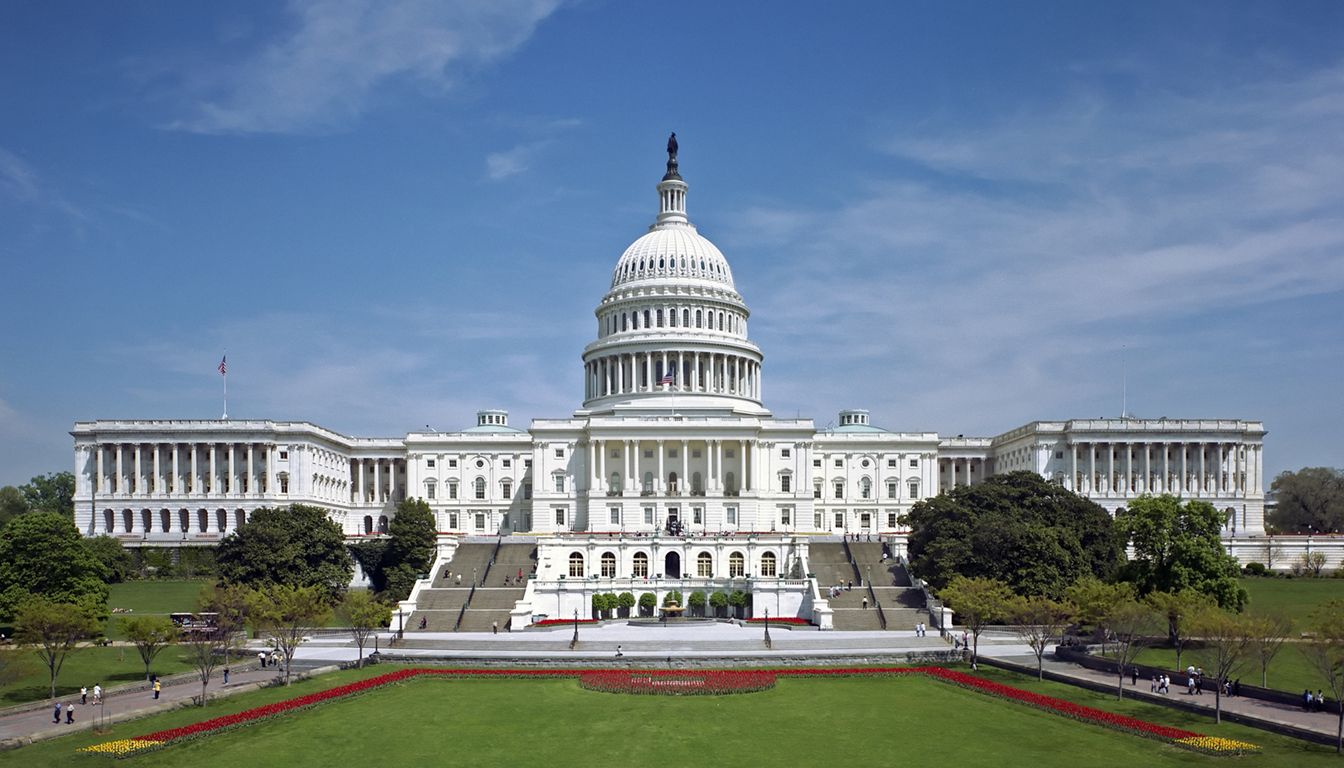
I’m driving a bus across the country to deliver a Transhumanist Bill of Rights to the US Capitol. One of those rights will certainly include language that advocates for citizens being able to take any drugs they want, so long as the taking of it doesn’t directly hurt someone else.

Read more

Nissan Speeds Ahead of Rivals With Plans for Driverless Car

Nissan says its autonomous car will be ready for sale to consumers by 2020.


Nissan Motor Co. is aggressively pushing forward with plans for a mostly autonomous car that will be ready for sale to consumers by 2020, putting it well ahead of its global competitors.

Chief Executive Carlos Ghosn said the technology would be ready by the Japanese auto maker’s self-imposed deadline—though he wasn’t sure if it would be legal on any nation’s roads.

“We are very excited about it and we want to come as soon as…

Read more

/* */