Toggle light / dark theme

Artificial Intelligence Trends That Will Change Everything

*Discover the biggest Artificial Intelligence trends that will reshape the world over the next decade.*

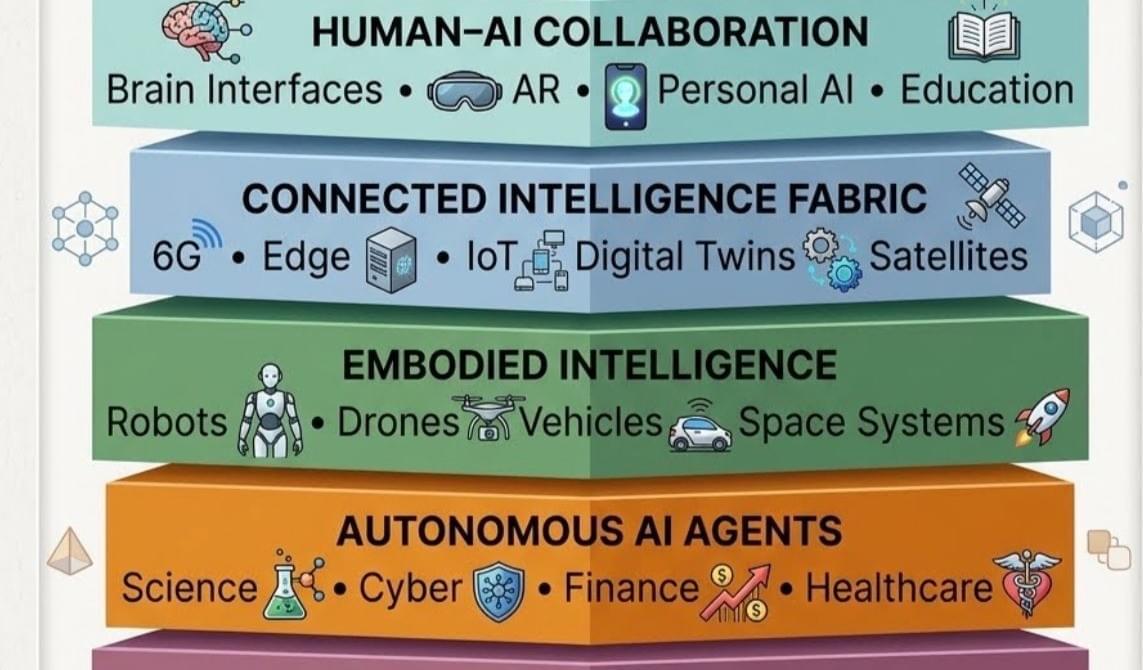
AI is evolving faster than ever. From autonomous AI agents and humanoid robots to AI-generated video, multimodal intelligence, scientific breakthroughs, and personalized software, the next wave of artificial intelligence is already transforming the way we work, create, and live.

In this video, we’ll explore the most important AI trends that could define the future of technology—and why the biggest AI revolution may already be happening around us.

Chapters:
00:00 The Future of Artificial Intelligence.
00:48 Special Thanks to Our Members.
01:17 AI Agents.
03:01 AI Memory.
04:55 Multimodal AI
06:40 AI Robots.
08:21 Personalized AI
09:41 AI-Generated Video.
11:25 AI in Scientific Discovery.
12:54 Small AI Models.
14:07 The Future of Search.
15:24 Human + AI
16:32 The Invisible AI Future.

If you enjoy content about artificial intelligence, future technology, robotics, automation, and emerging innovations, subscribe to *FutureLens* and join us as we explore the technologies shaping tomorrow.

👍 Like the video if you found it valuable.

100 scientific papers I’ve read in full over the past year

Ever since high school, I’ve had a personal tradition of sharing the scientific papers I read (in full) with my online community. About a year ago, I started cataloguing my posts and periodically sharing batches of papers here on Substack. So far, I have made 16 Substack posts, each with 5–10 papers and my comments. In total, this has resulted in a compilation of 100 papers and commentaries. Together, these papers represent a massive accumulation of human knowledge, progress, and innovation. Millions more exist out there on the internet. I will acknowledge that there’s a lot wrong with the academic publishing system and that it deserves massive reform. But seeing all of this amazing work at once nonetheless gives me hope that the collective intellect of the human species is capable of great things.


I’ve kept track of the 100 scientific papers that I’ve read in full over the past ~1 year, writing short summaries and posting them on social media. Here is the full compilation!

China takes a page from SpaceX and recaptures the first stage of a rocket to reuse it

China successfully recaptured the first stage of a rocket after a launch on Friday in a breakthrough for the country’s space program, state media said.

The first stage of a Long March-10B rocket separated from the second stage after liftoff and returned to a platform in the sea, the official Xinhua News Agency said.

It was the first time China recovered the first stage of a rocket. America’s SpaceX has been doing so for several years to drive down launch costs by reusing the booster that helps lift the satellites or whatever the rocket is carrying into space.

Scientists resurrect 3.2-billion-year-old enzyme to reveal how life began on Earth

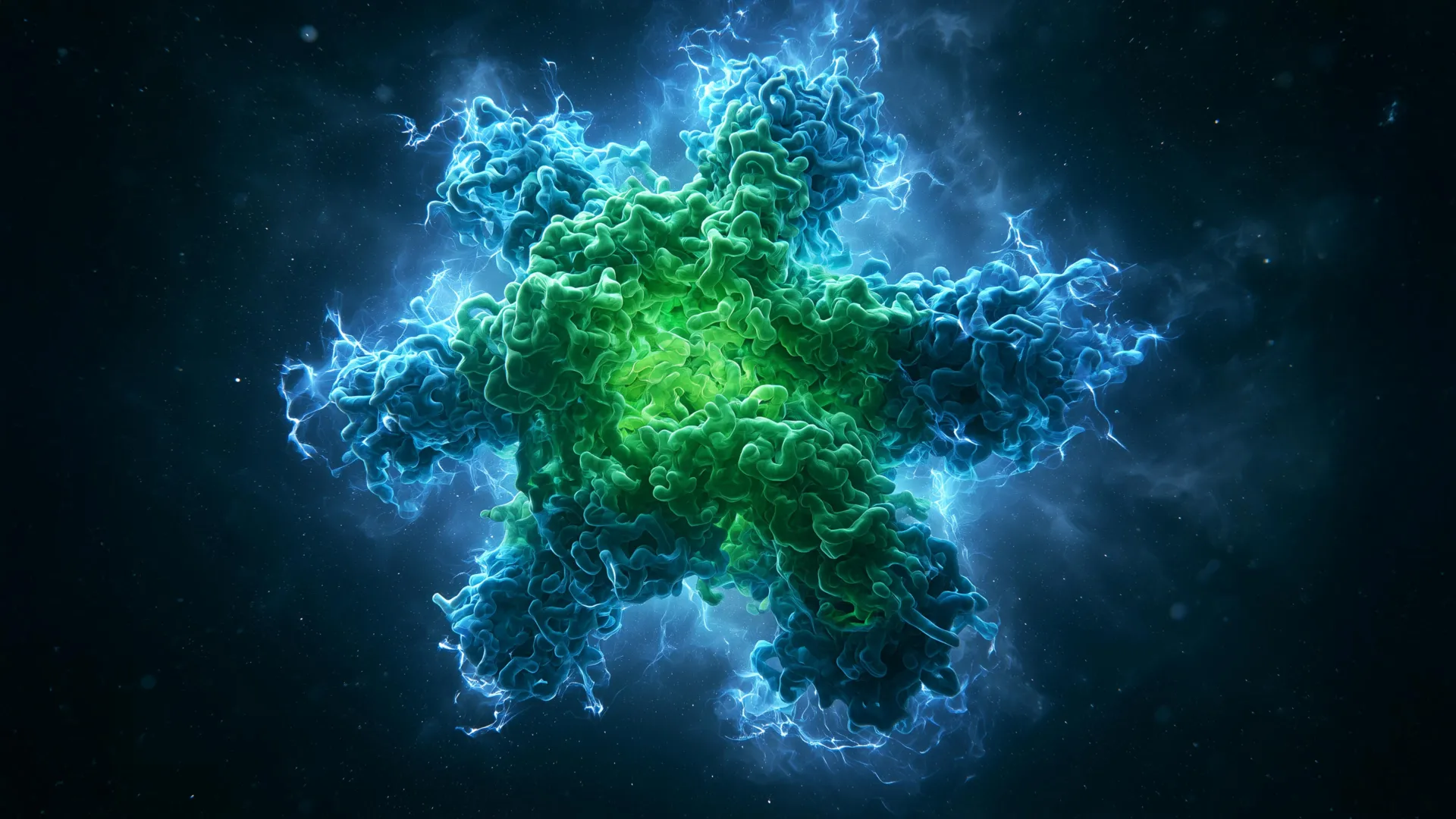
Researchers rebuilt long-extinct versions of a crucial enzyme that helps make nitrogen available to life, offering an unprecedented glimpse into Earth’s distant past. The breakthrough could aid the search for extraterrestrial life while helping scientists tackle future food-production challenges on Earth and beyond.

Current Status and Perspectives of Dual-Targeting Chimeric Antigen Receptor T-Cell Therapy for the Treatment of Hematological Malignancies

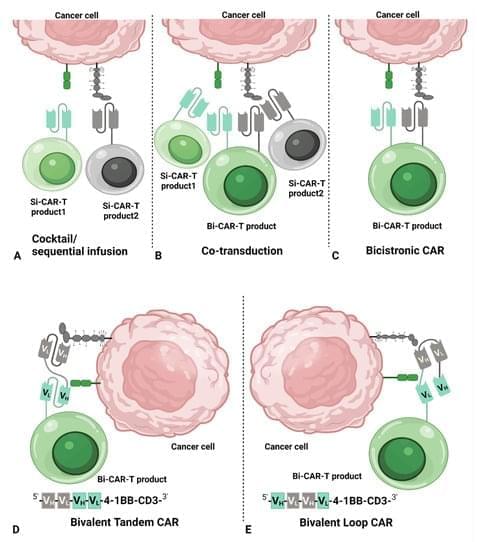
Single-targeted chimeric antigen receptor (CAR) T cells tremendously improve outcomes for patients with relapsed/refractory hematological malignancies and are considered a breakthrough therapy. However, over half of treated patients experience relapse or refractory disease, with antigen escape being one of the main contributing mechanisms. Dual-targeting CAR T-cell therapy is being developed to minimize the risk of relapse or refractory disease. Preclinical and clinical data on five categories of dual-targeting CAR T-cell therapies and approximately fifty studies were summarized to offer insights and support the development of dual-targeting CAR T-cell therapy for hematological malignancies. The clinical efficacy (durability and survival) is validated and the safety profiles of dual-targeting CAR T-cell therapy are acceptable, although there is still room for improvement in the bispecific CAR structure. It is one of the best approaches to optimize the bispecific CAR structure by boosting T-cell transduction efficiency and leveraging evidence from preclinical activity and clinical efficacy.

/* */