Toggle light / dark theme

A new robot constitution that won’t kill humans by Google

Google introduces AutoRT, SARA-RT, and RT-Trajectory.


Imagine having a personal helper robot that can tidy up your home or cook a tasty meal with just a simple request. Sounds futuristic, right? But for robots to understand and tackle these everyday tasks, they need a deep understanding of the world around them.

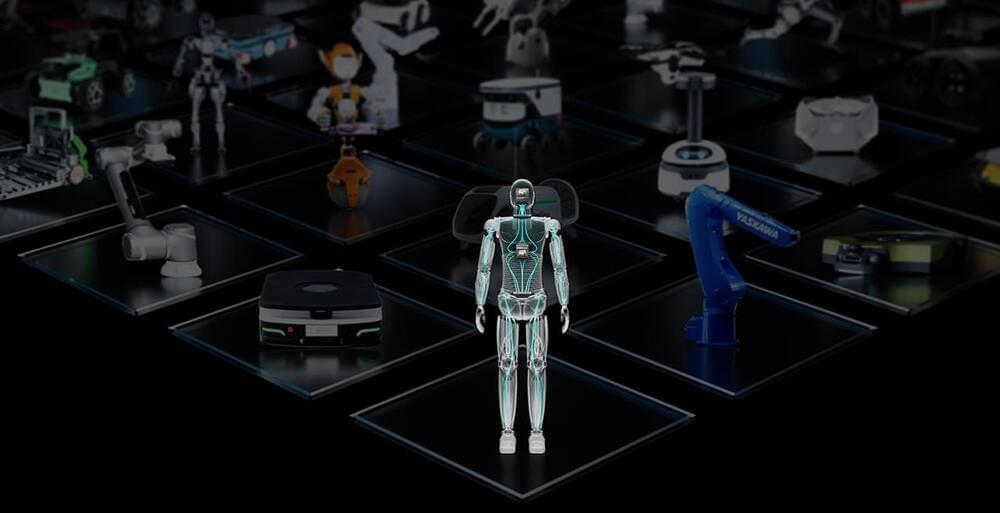
Google’s recent announcement brings us closer to this futuristic reality. They’ve unveiled a trio of advancements—AutoRT, SARA-RT, and RT-Trajectory—that push the boundaries of robotics research. These breakthroughs aim to help robots make faster decisions, comprehend their surroundings better, and move around more efficiently.

Figure 101: Watch how this AI-powered humanoid robot learns to brew coffee

Figure 101’s skills were developed through a 10-hour training period, with it gaining the knowledge simply by observing humans perform the task.


Significant progress

Figure first unveiled its initial humanoid creation in March 2023, the development of which took place in 12 months. This innovative robot, dubbed as the ‘world’s first commercially-viable autonomous humanoid robot’, integrates the agility of the human form with advanced AI, enabling it to execute a diverse array of tasks across multiple sectors, including manufacturing, logistics, warehousing, and retail, according to the firm.

Brett Adcock, CEO Figure Robot DROPS AI Breakthrough!

This morning in breaking news, Brett Adcock CEO of Figure Robotics, dropped a mind-blowing demo showing that their Figure 1 robot can now do end-to-end AI training. This demo of the bot now able to make coffee is just one of many applications that they are promising the bot can do. Robotics expert Dr. Scott Walter does a comparison with Tesla Bot and Google’s Mobile ALOHA Scott Walter is an Aerospace Engineer with a Ph.D. in Mechanical Engineering and has co-founded two robotics companies Follow Scott on X @GoingBallistic5 Get Free TESLA Milestone Tables M.

Design for Space Elevator Wins Prize

A spectacular design for a space elevator, with the goal of efficiently transporting passengers into outer space, has been awarded a $11,000 prize.

As the BBC reports, British architect Jordan William Hughes won the prize for space architecture and innovation from the Jacques Rougerie Foundation in Paris.

His concept, dubbed Ascensio, connects an ocean-based ship to a structure in Earth’s orbit via a cable-like structure. The ship is designed to keep up with the spaceport by moving around the ocean.

Southern Company

Southern Company has a historic commitment to energy innovation. Since the 1960s, the company has invested well over $2 billion in research and development (R&D), and currently, their employees are on the forefront of delivering new ideas to build the future of energy.

Enter Spot—an agile robot. Chethan Acharya, a principal research engineer within Southern Company R&D, first discovered Spot on social media.

At the time, Acharya’s job was to find and test new sensors, analytics tools, and other solutions to help Southern Company improve operations and maintenance (O&M) activities while also lowering costs.

Moonwalkers X: Shift Robotics to unveil upgraded robot shoes at CES 2024

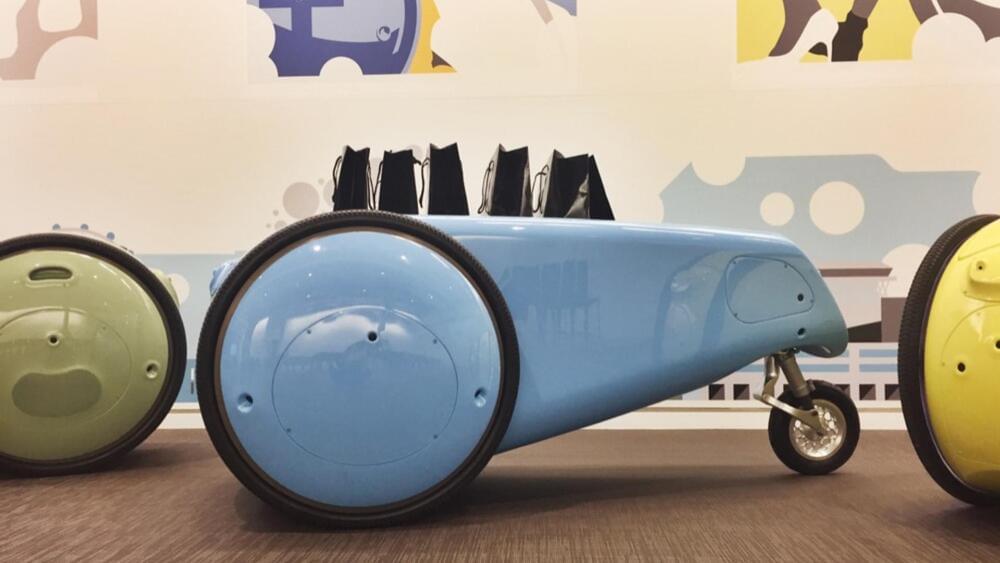
Shift Robotics is set to introduce its latest innovation, the Moonwalkers X, at CES 2024, showcasing advancements that make these robotic shoes significantly lighter, quicker, and smarter than their predecessor.

The Moonwalkers X, with six wheels instead of 10, is poised to redefine the landscape of commercial mobility. Xunjie Zhang, CEO and founder of Shift Robotics, expressed excitement about the upcoming launch, stating, “With Moonwalkers X, we’ve redefined lightweight mobility by trimming nearly a pound from the original design.”

In 2024 AI will make it almost impossible to know the truth

All these previous innovations pale in the face of tools like MidJourney, DALL-E, and Adobe Firefly.

These generative AI image systems, the kind that easily spits out this image below of a flooded downtown Manhattan, are dream weavers that make the literal out of the imagined.

When Midjourney builds an image, there are no easily identifiable sources, mediums, or artists. Every pixel can look as imaginary or real as you want and when they leave the digital factory, these images (and video) travel fleetfooted around the world, leaving truth waiting somewhere in the wilderness.

Novel switch turns genes on/off on cue, a promising step toward safer gene therapy

Just like a doctor adjusts the dose of a medication to the patient’s needs, the expression of therapeutic genes, those modified in a person to treat or cure a disease via gene therapy, also needs to be maintained within a therapeutic window. Staying within the therapeutic window is important as too much of the protein could be toxic, and too little could result in a small or no therapeutic effect.

Although the principle of has been known for a long time, there has been no strategy to implement it safely, limiting the potential applications of gene therapy in the clinic.

In their current study published in the journal Nature Biotechnology, researchers at Baylor College of Medicine report on a technology to effectively regulate gene expression, a promising solution to fill this gap in gene therapy clinical applications. A Research Briefing on the breakthrough has been published in the same journal issue.

/* */