Toggle light / dark theme

Probiotics may help boost mood and cognitive function

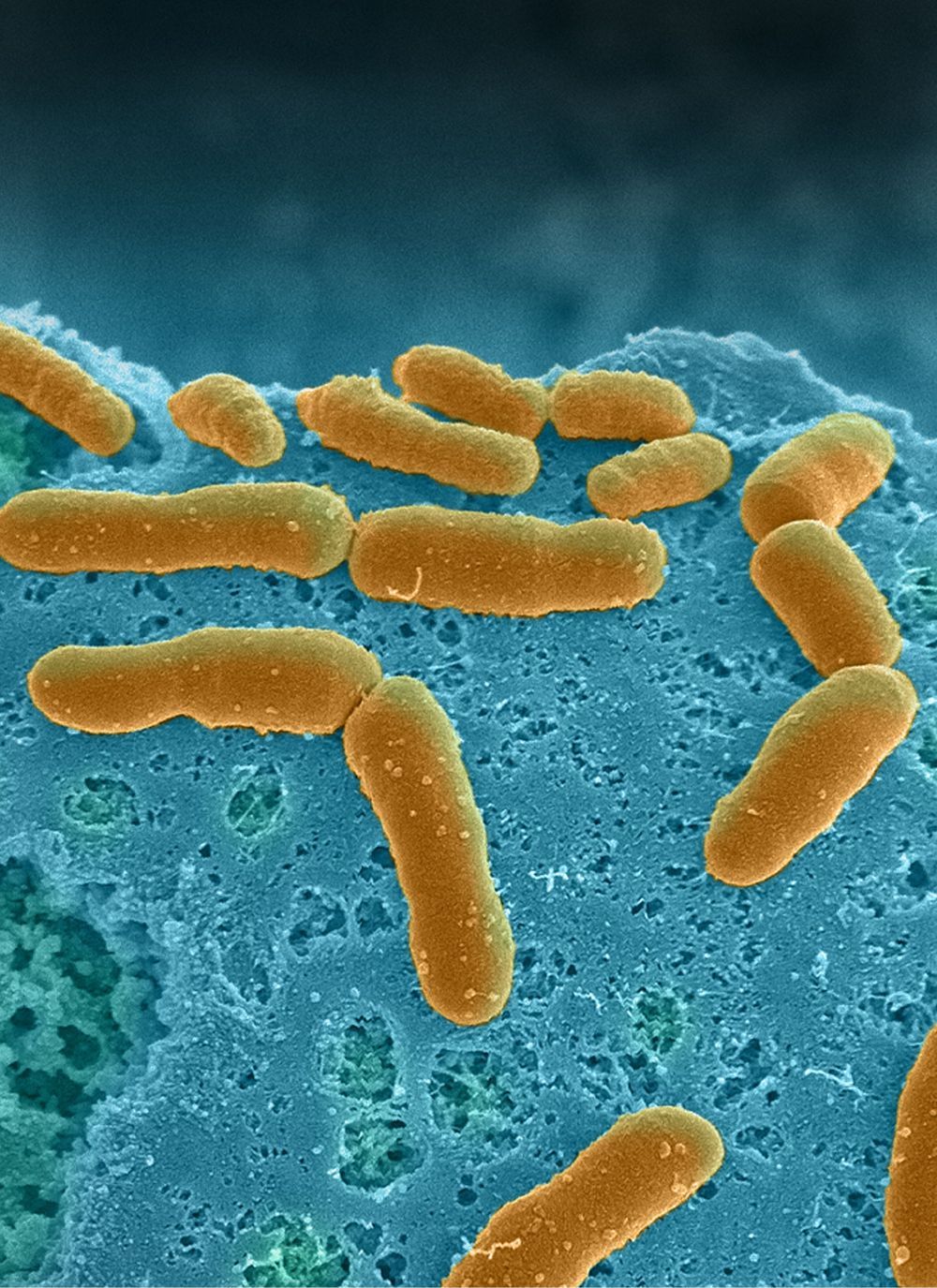
Probiotics can do more than improve your gut health. They also may indirectly enhance your brain, too.

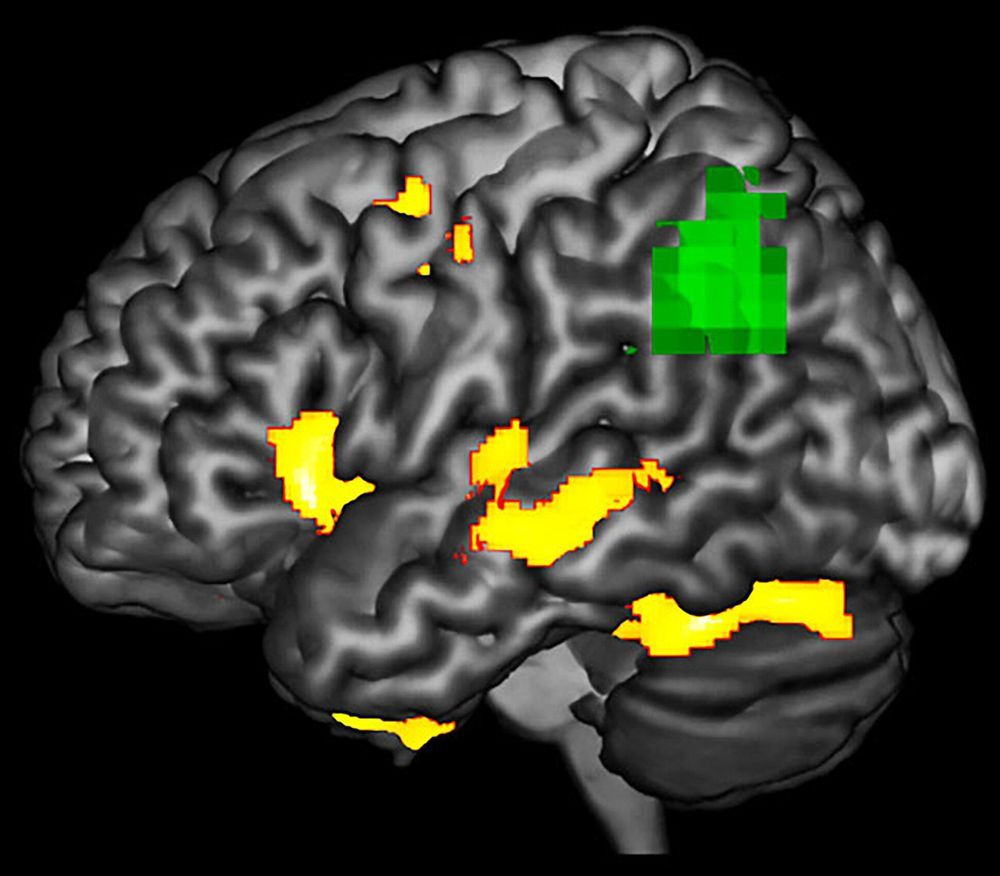
Research shows that the gut and brain are connected, a partnership called the gut-brain axis. The two are linked through biochemical signaling between the nervous system in the digestive tract, called the enteric nervous system, and the central nervous system, which includes the brain. The primary information connection between the brain and gut is the vagus nerve, the longest nerve in the body.

The gut has been called a “second brain” because it produces many of the same neurotransmitters as the brain does, like serotonin, dopamine, and gamma-aminobutyric acid, all of which play a key role in regulating mood. In fact, it is estimated that 90% of serotonin is made in the digestive tract.

When Healthcare ignores Mental Health: 200 common prescription medications increase depression risk

Why is no one talking about this? — “More than one-third of U.S. adults are taking prescription medications that may lead to depression, new research finds. The study, published in the Journal of the American Medical Association, warns that depression is a potential side effect of more than 200 commonly prescribed medications, including beta blockers for blood pressure, birth control pills, antacids, and painkillers.”


___ Many Americans taking common meds that may cause depression, study finds (CBS News): “More than one-third of U.S. adults are taking prescription medications that may lead to depression, new research finds. The study, published in the Journal of the American Medical Association, warns that depression is a potential.

Russia’s HIV/AIDS epidemic is getting worse, not better

Almost anywhere in the world, an HIV-infected woman who has an uninfected partner and wants to have a baby would be first in line to receive ARVs. The challenges Katia faced in getting treatment amid Russia’s epidemic highlight the country’s faltering response, which critics have blasted as misguided, lackadaisical, and downright dismissive. Some federal health officials even question the term epidemic. “This is a very large and very serious epidemic, and certainly one of the few epidemics in the world that continues to get worse rather than get better,” says Vinay Saldanha, the Moscow-based regional director for the Joint United Nations Programme on HIV/AIDS (UNAIDS) in Eastern Europe and Central Asia. “This is a public health crisis.”


The government has begun to confront its shortcomings, but critics want more aggressive change.

Why a DNA data breach is much worse than a credit card leak

As the Equifax hack last year showed, there’s a lack of legislation governing what happens to data from a breach. And ultimately, a breach of genetic data is much more serious than most credit breaches. Genetic information is immutable: Vigna points out that it’s possible to change credit card numbers or even addresses, but genetic information cannot be changed. And genetic information is often shared involuntarily. “Even if I don’t use 23andMe, I have cousins who did, so effectively I may be genetically searchable,” says Ram. In one case, an identical twin having her genetic data sequenced created a tricky situation for her sister.


This week, DNA testing service MyHeritage revealed that hackers had breached 92 million of its accounts. Though the hackers only accessed encrypted emails and passwords — so they never reached the actual genetic data — there’s no question that this type of hack will happen more frequently as consumer genetic testing becomes more and more popular. So why would hackers want DNA information specifically? And what are the implications of a big DNA breach?

One simple reason is that hackers might want to sell DNA data back for ransom, says Giovanni Vigna, a professor of computer science at UC Santa Barbara and co-founder of cybersecurity company Lastline. Hackers could threaten to revoke access or post the sensitive information online if not given money; one Indiana hospital paid $55,000 to hackers for this very reason. But there are reasons genetic data specifically could be lucrative. “This data could be sold on the down-low or monetized to insurance companies,” Vigna adds. “You can imagine the consequences: One day, I might apply for a long-term loan and get rejected because deep in the corporate system, there is data that I am very likely to get Alzheimer’s and die before I would repay the loan.”

MyHeritage doesn’t offer health or medical tests, but many companies, like 23andMe and Helix, do. And there are plenty of players interested in DNA: researchers want genetic data for scientific studies, insurance companies want genetic data to help them calculate the cost of health and life insurance, and police want genetic data to help them track down criminals, like in the recent Golden State Killer case. Already, we lack robust protections when it comes to genetic privacy, and so a genetic data breach could be a nightmare. “If there is data that exists, there is a way for it to be exploited,” says Natalie Ram, a professor of law focusing on bioethics issues at the University of Baltimore.

Lentils significantly reduce blood glucose levels, study reveals

Replacing potatoes or rice with pulses can lower your blood glucose levels by more than 20 per cent, according to a first-ever University of Guelph study.

Prof. Alison Duncan, Department of Human Health and Nutritional Sciences, and Dan Ramdath of Agriculture and Agri-Food Canada, found that swapping out half of a portion of these starchy side dishes for can significantly improve your body’s response to the carbohydrates.

Replacing half a serving of rice with lentils caused to drop by up to 20 per cent. Replacing potatoes with lentils led to a 35-per-cent drop.

How traffic signals favour cars and discourage walking

We need more walkable cities and fewer cars! If aliens came to our planet they would conclude that cars are the dominant species!


Traffic signals give priority to motor vehicles over pedestrians. This inequality undermines many of the stated goals of transport, health and environment policy.

State and city governments say they want to encourage walking and biking for many reasons:

US suicide rates increased more than 25% since 1999, CDC says

“These findings are disturbing. Suicide is one of the top 10 causes of death in the US right now, and it’s one of three causes that is actually increasing recently, so we do consider it a public health problem — and something that is all around us,” Schuchat said. The other two top 10 causes of death that are on the rise are Alzheimer’s disease and drug overdoses, she noted.


Suicide rates increased by 25% across the United States over nearly two decades ending in 2016, according to research published Thursday by the US Centers for Disease Control and Prevention. Twenty-five states experienced a rise in suicides by more than 30%, the government report finds.

More than half of those who died by suicide had not been diagnosed with a mental health condition, said Dr. Anne Schuchat, principal deputy director of the CDC.

/* */