The BA.2 omicron subvariant still remains the dominant COVID strain across the U.S., but another subvariant has gained momentum in recent days.
BA.2.12.1, which health officials say appears to be up to 27% more contagious than BA.2, accounts for approximately 36.5% of cases nationwide, according to the most recent CDC weekly numbers.
While BA.2 accounts for approximately 75% of all cases in the country, it is said to make up at least 70% of the cases in the healthcare region encompassing New York, New Jersey, Puerto Rico and the Virgin Islands.
Carrie Arnold is a freelance health and science writer living in Virginia.
At the age of 20, I committed my first mass murder. I didn’t, of course, mean to kill anyone. But my good intentions meant nothing to the small mound of deceased fruit flies in the bottom of the vial.
My goal was simply to anesthetize them and then search their wrinkled, vellum wings and bulging eyes for mutations. It was a classic introductory genetics experiment, one taught to countless aspiring biologists for a century. I doused a cotton ball with ether, the fruity-smelling liquid that would render the flies temporarily unconscious (and easier to count). The instructor warned us to make sure the flies were completely knocked out, so that they didn’t wake up mid-experiment. So I left the ether-soaked cotton on the vial an extra minute or two. Just to be safe.
And it has all happened because of a virus that caught the world unprepared.
The WHO report released today states that total deaths as reported by national health authorities attributable to COVID-19 don’t take into account excess mortality, or as it describes, “the mortality above what would be expected based on the non-crisis mortality rate.”
Excess mortality is not a measure that can easily be gleaned from across the planet. Why not? Because not all countries measure mortality at the same pace and in the same way. Data reporting techniques differ. Some countries don’t even measure at all. This makes calculating excess mortality problematic.
The number of unexplained severe hepatitis cases in children continues to increase. Health agencies said there are currently 170 cases worldwide. One theory suggests the spread could be linked to adenovirus. Health officials are looking into whether Covid lockdowns could have played a role, with kids less exposed to common infections.
Tenet Healthcare Corporation recently experienced a cybersecurity incident in April 2022, which resulted in a temporary disruption to a subset of acute care operations.
The report from Tenet comes on the heels of telephone and computer problems occurring at St. Mary’s Medical Center and Good Samaritan Medical Center in West Palm Beach Florida, that were reported by WPTV NewsChannel 5. Tenet health is the parent company for both of the medical centers.
Patients and staff have contacted WPTV NewsChannel 5 expressing concerns about patient care tied to limits of electronic charting and their inability to communicate by telephone.
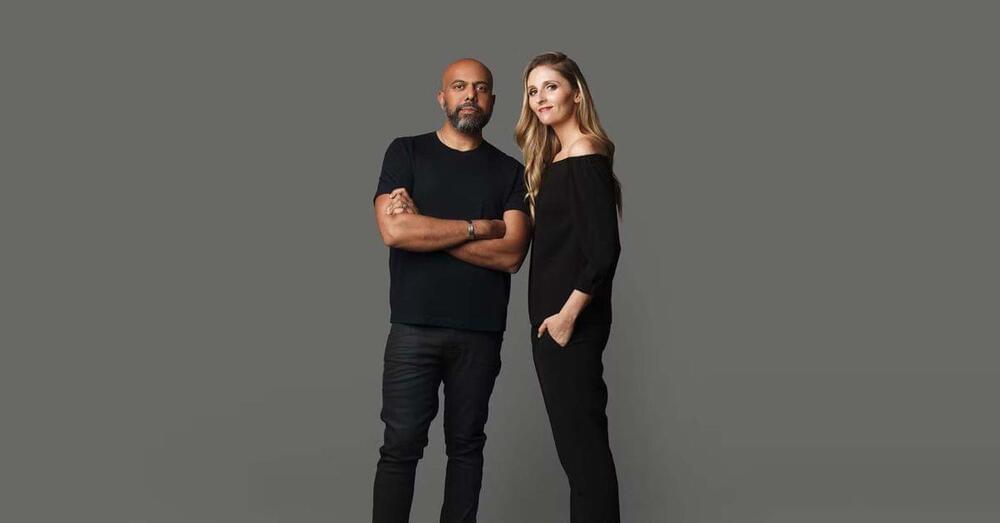
Dr Johnston is also Founding CEO and Chairman of the Board Of Directors of Calviri (https://calviri.com/).
The Center for Innovations in Medicine and Dr. Johnston’s current work focuses on innovative solutions to fundamental problems in bio-medicine, and their organization brings together a unique group of interdisciplinary scientists to identify, analyze, and come up with inventive solutions for significant un-met medical needs.
Current major translational sciences and technology development projects of Dr. Johnston include 1) Cancer Eradication: with a focus on developing a universal, preventative cancer vaccine, and 2) Health Futures: with an aim of producing a diagnostic system that allows continuous monitoring of the health status of healthy people — helping in the revolution to pre-symptomatic medicine.
Trust in science is rising worldwide, according to a 3M-backed survey released Tuesday, and more people expect it to solve the world’s problems.
But the fifth annual 3M State of Science Index also showed many are worried that misinformation could lead to more public health crises, greater societal divisions and lack of action on climate change.
“It’s really good to see that trust in science is high, and that’s true in America and around the world, but misinformation threatens scientific credibility,” Jayshree Seth, 3M’s corporate scientist and chief science advocate, said in an interview. “It’s not simply a matter of communicating facts, data and evidence. We need to build that relationship with the public.”
Joe Biden has been accused of having “no idea” after he misunderstood a journalist’s question about the public health authority ‘Title 42’ and instead begun speaking about a Department of Justice appeal of airplane mask mandates.
This kind of data can help uncover how the structure and organization of the brain give rise to behavior, emotion and cognition, in sickness and in health.