Epigenetic changes, not DNA mutations, drive some metastasis.
Nice.
Researchers from the Genes and Cancer research group at the Bellvitge Biomedical Research Institute (IDIBELL) have identified inactivating mutations in a number of genes that code for HLA-I histocompatibility complex proteins, which are involved in the immune response and can condition the response of lung cancer patients to immunotherapy. The study is a result of the collaboration between several national and international research centers, and has been published in the journal Clinical Cancer Research.
“Initially, we performed a genetic screening of lung cancer tumors using xenograft models, that is, human tumors that grow in mice, to obtain tumors with a low load of normal human cells,” explains Dr. Montse Sanchez-Cespedes, the last author of the paper. Sequencing of the tumors made it possible to identify several mutated genes, including some oncogenes and known tumor suppressor genes, and others that not previously described. “Among the latter, we were particularly interested in the B2M gene for its involvement in the functioning of the immune system, a target of new therapies developed for this type of cancer.”
The new immunotherapy treatments aim to block the activity of certain proteins that inhibit the immune system. In lung cancer, this therapeutic option has yielded hopeful results in about twenty percent of patients. However, the treatment can only be effective if the tumor cell has a functional HLA-I complex.
Big deal.
Researchers from the Genes and Cancer research group at the Bellvitge Biomedical Research Institute (IDIBELL) have identified inactivating mutations in a number of genes that code for HLA-I histocompatibility complex proteins, which are involved in the immune response and can condition the tesponse of lung cancer patients to immunotherapy. The study is a result of the collaboration between several national and international research centers, and has been published in the journal Clinical Cancer Research.
“Initially, we performed a genetic screening of lung cancer tumors using xenograft models, that is, human tumors that grow in mice, to obtain tumors with a low load of normal human cells,” explains Dr. Montse Sanchez-Cespedes, the last author of the paper. Sequencing of the tumors made it possible to identify several mutated genes, including some oncogenes and known tumor suppressor genes, and others that not previously described. “Among the latter, we were particularly interested in the B2M gene for its involvement in the functioning of the immune system, a target of new therapies developed for this type of cancer.”
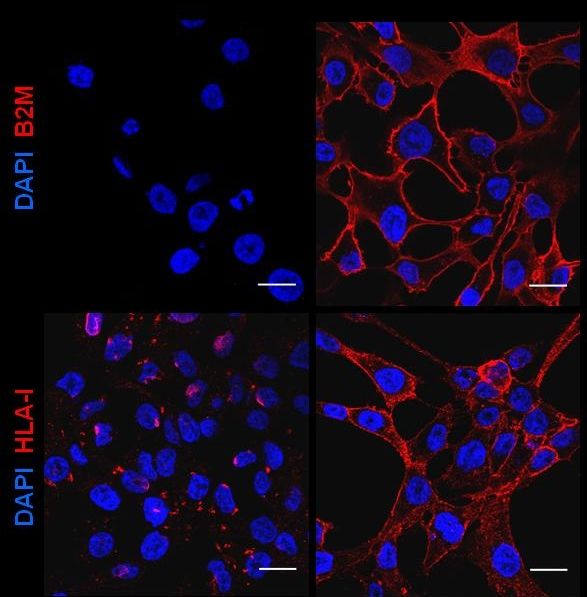
This observation was validated at a later stage using a large panel of lung tumors, determining that the frequency of B2M mutations in lung cancer is 6–8%. At the same time, the researchers demonstrated that de novo reintroduction of this gene into cell lines that were deficient in B2M restored the functioning of the HLA-I complex.
The TeraStructure algorithm can analyze genome sets much larger than current systems can efficiently handle, including those as big as 100,000 or 1 million genomes. Finding an efficient way to analyze genome databases would allow for personalized healthcare that takes into account any genetic mutations that could exist in a person’s DNA.

Hmmm; not sure that I like what they did here.
The behavior didn’t occur when they stimulated the mice’s other brain parts. It’s a mechanism common to all higher animals, including humans.
The researchers expected to find these hunting circuits in mice because many mice kill and eat insects. The study relied on the technique optogenetics, in which neurons can be artificially activated using light, effectively allowing scientists to switch the killer instinct on and off at will.
The team, led by Ivan de Araujo, targeted a set of neurons in the amygdala.
The quest for the fountain of youth is as ancient as humanity itself. Now, it appears scientists may have found the source.
Using a process designed to “reprogram” normal adult cells into pluripotent stem cells—cells that can transform into many different kinds of cells—researchers have managed to boost the life spans of mice by up to 30% and rejuvenate some of their tissues.
The treatment did not change the cell’s genetic code, but rather chemical attachments on their DNA called epigenetic marks, responsible for regulating the genome and determining how active certain genes are.

A new way to treat brain cancer with our own immune cells.
Injecting genetically modified immune cells directly into the brain and spinal fluid has had remarkable effects on a deadly brain cancer
Glioblastoma is a particularly virulent form of brain cancer. Around 20,000 people in the United States are diagnosed each year and the disease typically has poor survival rates. In a new case reported in the New England Journal of Medicine, a man has undergone experimental CAR-T therapy to treat the condition. CAR-T therapy is a branch of immunotherapy, the field taking cancer treatment by storm, and involves infusing genetically modified T cells back into a patient to target cancer cells.
A new hope
50-year-old Richard Grady received the treatment in California, and it involved dripping these specialised cells through a narrow tube into the brain. CAR-T therapy (also called chimeric antigen receptor) involves adding novel receptors on the surface of T cells; allowing them to better recognise and destroy any cancer cells they come across. Grady’s therapy began with surgery to remove 3 larger tumours, and then followed with 6 weekly infusions into the brain.
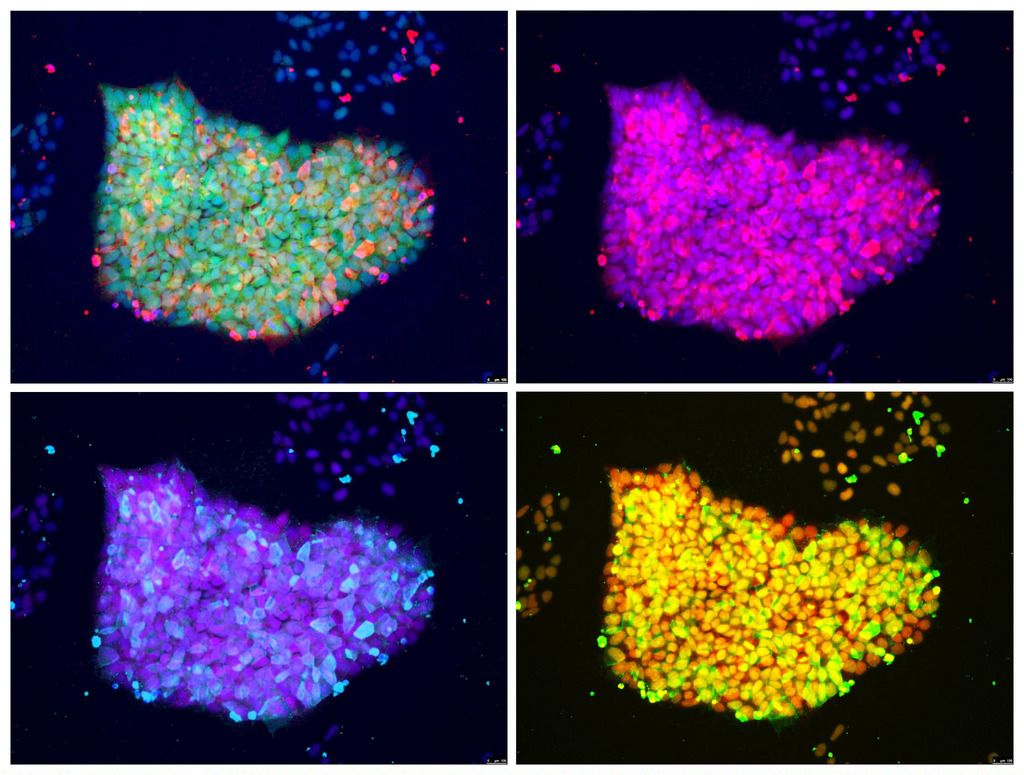
Epigenetic changes are not all reset with iPS thankfully science has recently demonstrated a technique for reversing that too. The future is looking bright for stem cell quality improvements.
Reprogramming stem cells back to a functionally younger state is not a pefect process and epigenetic changes and mutations remain in place tainting the cells and reducing their quality.
Scientists working in the stem cell field will no doubt be finding ways to work around this and indeed recent work at SALK could reset epigenetic changes in these cells so solutions are within reach in the next few years.
“When adult cells are reprogrammed into induced pluripotent stem cells (IPSCs), they appear to carry marks of their age.”
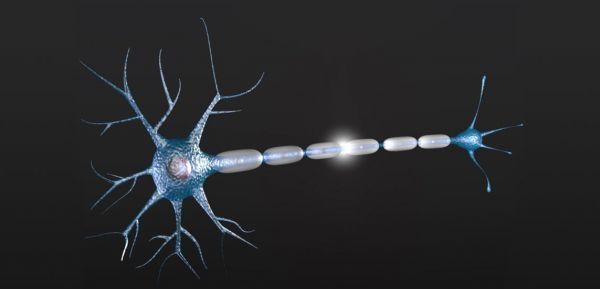
Motor neurons are vital cells that facilitate muscle contraction and also affect sensation. In diseases like ALS and spinal muscular atrophy, motor cells are plagued with mutations that cause degrees of paralysis and pain in patients. In a study detailed in Cell Stem Cell, scientists developed a mechanism to directly reprogram stem cells into motor neurons.
Cell reprogramming is a novel exploration in medical studies that could treat numerous diseases by growing the body’s own stem cells into healthy cells. The mechanism of reprogramming, however, has just begun to be understood.
The researchers elucidated a new pathway for cell reprogramming by analyzing gene transcription in mice. As established by previous studies, reprogramming is brought about by a series of transcriptions, AKA, how the genes control the expression of other genes.
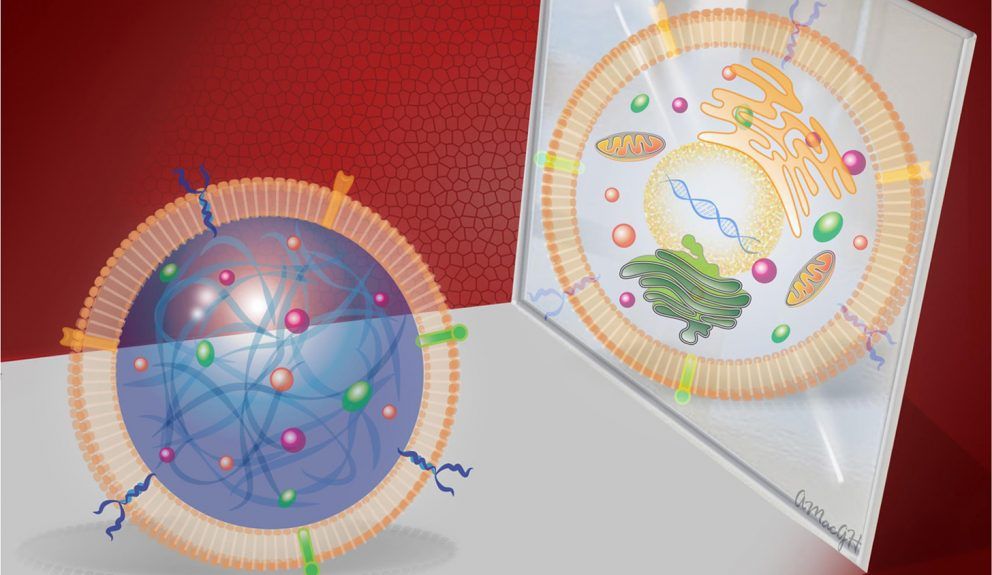
Researchers from North Carolina State University, the University of North Carolina at Chapel Hill and First Affiliated Hospital of Zhengzhou University have developed a synthetic version of a cardiac stem cell. These synthetic stem cells offer therapeutic benefits comparable to those from natural stem cells and could reduce some of the risks associated with stem cell therapies. Additionally, these cells have better preservation stability and the technology is generalizable to other types of stem cells.
Stem cell therapies work by promoting endogenous repair; that is, they aid damaged tissue in repairing itself by secreting “paracrine factors,” including proteins and genetic materials. While stem cell therapies can be effective, they are also associated with some risks of both tumor growth and immune rejection. Also, the cells themselves are very fragile, requiring careful storage and a multi-step process of typing and characterization before they can be used.
Ke Cheng, associate professor of molecular biomedical sciences at NC State, associate professor in the joint biomedical engineering program at NC State and UNC, and adjunct associate professor at the UNC Eshelman School of Pharmacy, led a team in developing the synthetic version of a cardiac stem cell that could be used in off-the-shelf applications.