The scientist behind the artificial expansion of the genetic code explains how it can bring about never-before-seen functions in life on Earth.
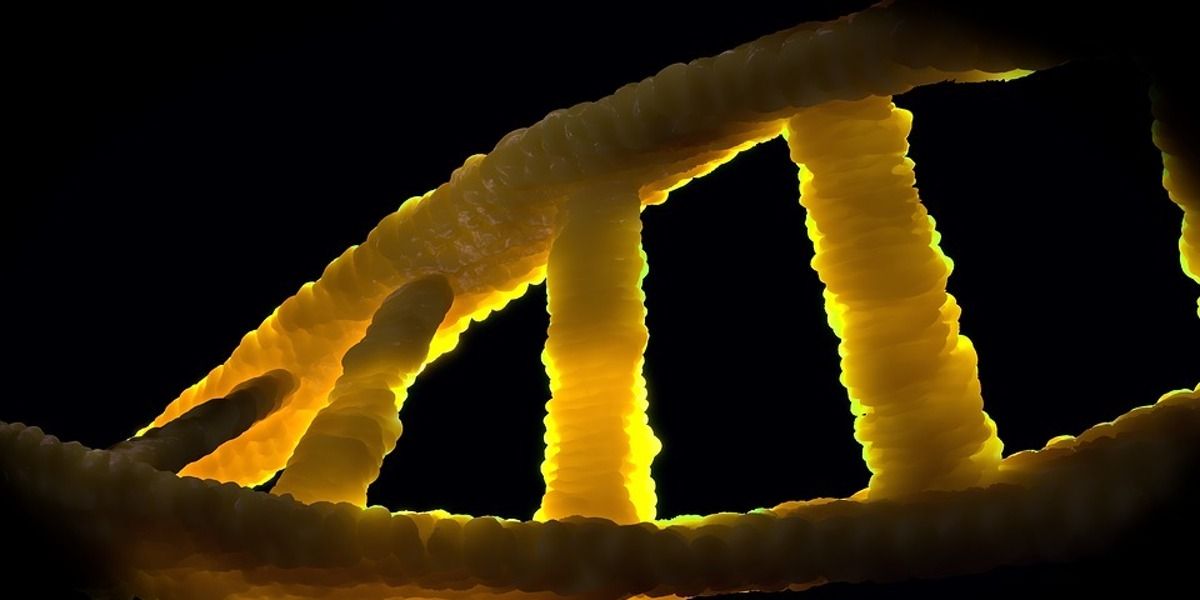
Some people have mutations that greatly lower their cholesterol. Tests in mice suggest gene editing could give the rest of us the same protection.
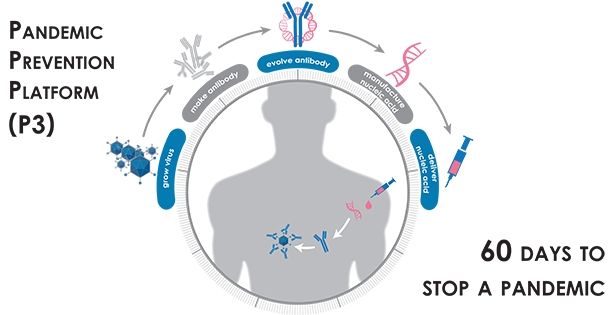
Over the past several years, DARPA-funded researchers have pioneered RNA vaccine technology, a medical countermeasure against infectious diseases that uses coded genetic constructs to stimulate production of viral proteins in the body, which in turn can trigger a protective antibody response. As a follow-on effort, DARPA funded research into genetic constructs that can directly stimulate production of antibodies in the body., DARPA is now launching the Pandemic Prevention Platform (P3) program, aimed at developing that foundational work into an entire system capable of halting the spread of any viral disease outbreak before it can escalate to pandemic status. Such a capability would offer a stark contrast to the state of the art for developing and deploying traditional vaccines—a process that does not deliver treatments to patients until months, years, or even decades after a viral threat emerges.
“DARPA’s goal is to create a technology platform that can place a protective treatment into health providers’ hands within 60 days of a pathogen being identified, and have that treatment induce protection in patients within three days of administration. We need to be able to move at this speed considering how quickly outbreaks can get out of control,” said Matt Hepburn, the P3 Program Manager. “The technology needs to work on any viral disease, whether it’s one humans have faced before or not.”
Recent outbreaks of viral infectious diseases such as Zika, H1N1 influenza, and Ebola have cast into sharp relief the inability of the global health system to rapidly contain the spread of a disease using existing tools and procedures. State-of-the-art medical countermeasures typically take many months or even years to develop, produce, distribute, and administer. These solutions often arrive too late—if at all—and in quantities too small to respond to emerging threats. In contrast, the envisioned P3 platform would cut response time to weeks and stay within the window of relevance for containing an outbreak.
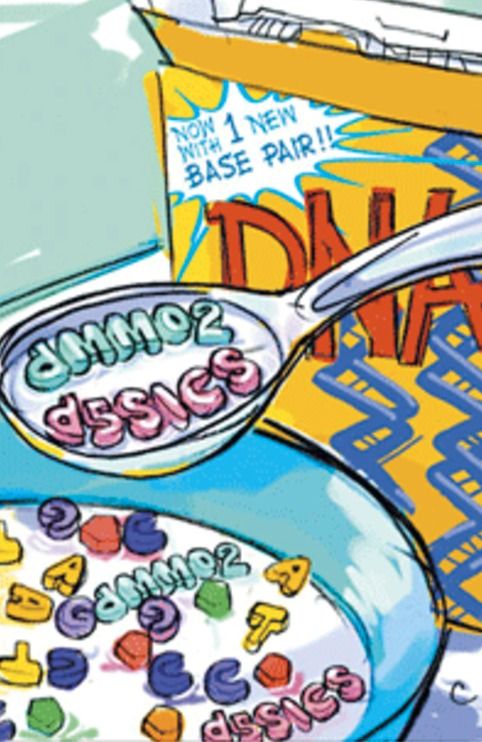
DNA — now with a new base pair! (credit: Romesberg Lab)
Scientists at The Scripps Research Institute (TSRI) have developed the first stable semisynthetic organism — a bacterium with two new synthetic bases (called X and Y) added to the four natural bases (A, T, C, and G) that every living organism possesses. Adding two more letters to expand the genetic alphabet can be used to make novel proteins for new therapeutics, according to the researchers.
All life as we currently know it contains just four bases that pair up to form two “base pairs” — the rungs of the DNA ladder — which are simply rearranged to create different organisms.
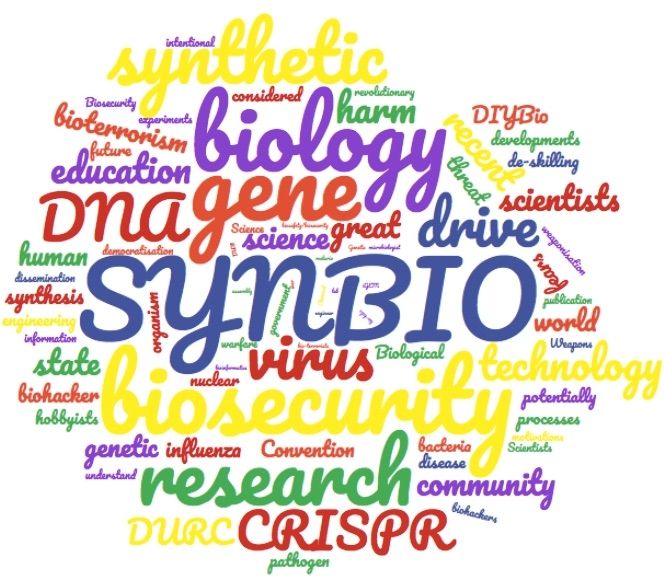
Wait until you see how Quantum bio is applied in Biosecurity.
By guest author Devang Mehta
The world in 1918 was emerging from under the pall of a World War that had claimed 38 million lives, and yet in the span of only one year, just as many lives would be lost to the Spanish Flu — an influenza pandemic that is still regarded the single deadliest epidemic in recorded history. The disease reached all corners of the world, from the Antipodes to Europe and Asia, eventually claiming 20–50 million lives. The 1918 virus caused unusually strong symptoms, described by one physician at the time as “a blood-tinged froth that sometimes gushed from (the) nose and mouth”. The disease also had an incredibly high mortality rate of 10–20%, which combined with a high rate of infection meant that up to 6% of the world’s population died due to the virus.
Ever since the outbreak, the particular H1N1 sub-strain that caused the pandemic has been a constant target of research by virologists seeking to understand the causes behind its lethality. In 2005 researchers in the US made a breakthrough where they isolated the virus’ genetic material from a frozen infected lung sample, deciphered its genetic sequence and then published it for anyone to see. Going a step further, the researchers resurrected the virus, using chemically synthesised DNA fragments, and showed that this very literal Frankenstein’s monster could kill mice at an enhanced rate compared to other extant flu viruses.
For perhaps obvious reasons this case has become standard in bioethics and especially synthetic biology lectures and discussions. The 1918 virus case was not the first successful attempt to ‘de-extinct’ a virus (that distinction goes to a 2002 study resurrecting the poliovirus), but this was one of the first studies to actually pass through regulatory processes (the approval of the newly formed U.S. National Science Advisory Board for Biosecurity was obtained prior to publication); and of course influenza — a fast-spreading, potentially airborne virus — presents a more clear biosafety/biosecurity threat. Now, it is true that from a scientific point of view, these studies are very illuminating, and could possibly help stave off the effects of future pandemics. That logic guided the NSABB’s recommendation that the authors publish the full genetic sequence of the 1918 virus.
When I saw this article, I chuckled. Although the article zeros in on CRISPR, we could in some ways claim humans have already been altered by various stimulates over time especially as we look at steroids, botox to improve neuro & nerve ending activities, etc.
Humans continue to accomplish technological feats that change the world as we know it, often doing so in such fundamental ways that the previous generation scarcely recognizes the new society. Those of us in our late teens and early 20s will not be immune to this fate. We too will not recognize our planet, and it will be sooner than later.
For the past few decades, scientists have been toying with a piece of prokaryotic DNA that enables these single-celled organisms to defend themselves from viral invaders. CRISPR, as it is abbreviated, allows prokaryotes to remove the DNA that viruses insert into their genome, which, left unattended to, forces a hijacked cell to manufacture new viruses. CRISPR edits a cell’s DNA, cutting out sequences that do not belong. However, its potential goes beyond this function.
For humans, the technology behind harnessing CRISPR could empower us to alter our own genetic code. With this power, as the saying goes, comes great responsibility. And with this power comes great risk.
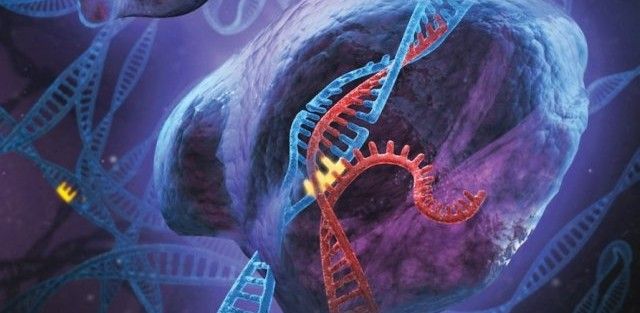
Another example proving the importance of quantum is core to bio. Quantum is a core component in all things (bio, environmental, geo & minerals, vegetation, energy, etc.).
By Lance Schuttler, contributor for TheMindUnleashed.com
One strand of DNA from one single cell contains enough information to clone an entire organism. Obviously, understanding DNA allows us to understand much about life and the universe around us. A deeper understanding of the new science tell us that DNA beings not as a molecule, but as a wave form. Even more interestingly, this wave form exists as a pattern within time and space and is coded throughout the entire universe.
We are surrounded by pulsating waves of invisible genetic information, whose waves create microscopic gravitational forces that pull in atoms and molecules from their surrounding environment to construct DNA.
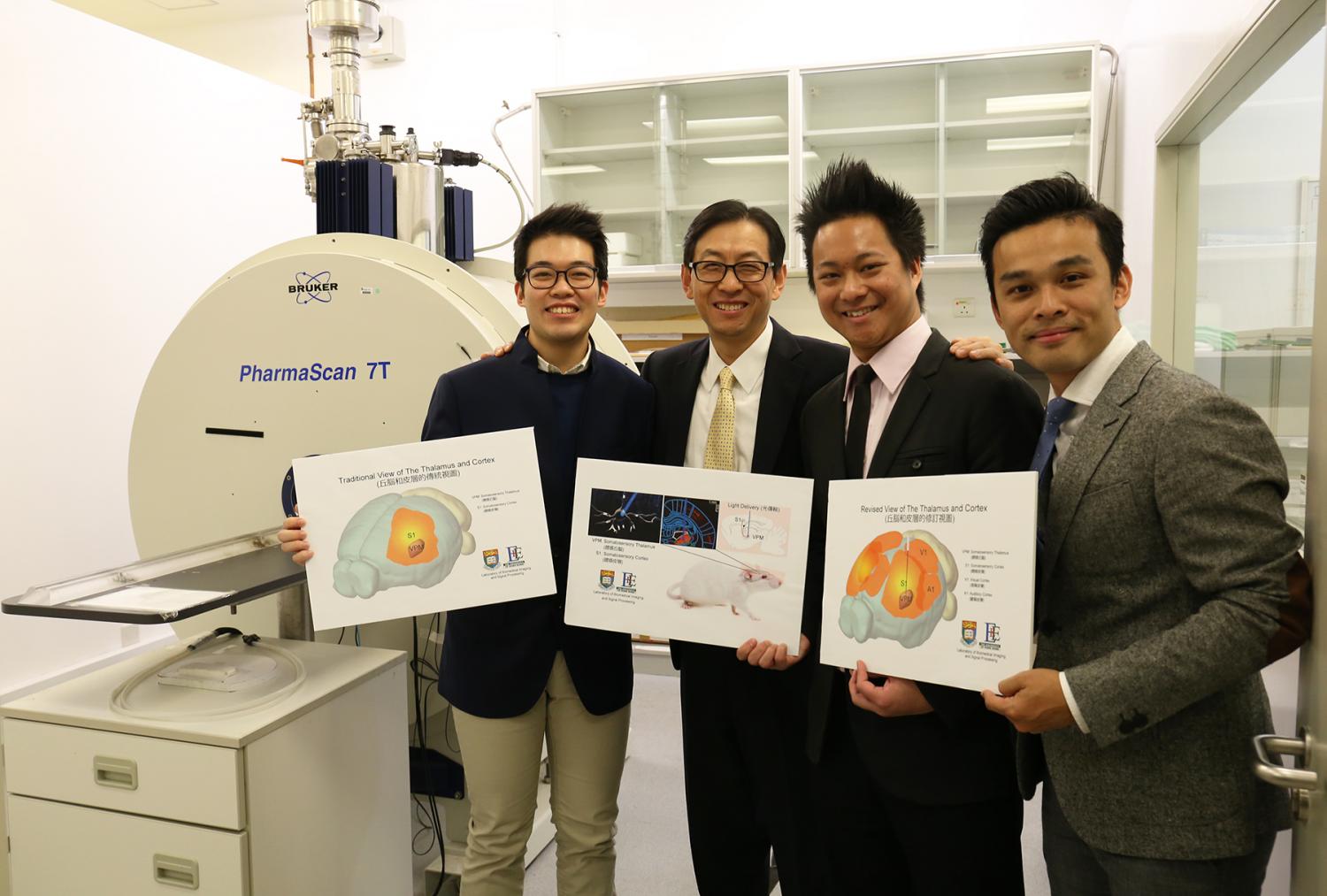
A research team led by Professor Ed X. Wu of the Department of Electrical and Electronic Engineering at the University of Hong Kong has used an innovative neuroimaging tool to interrogate the complex brain networks and functions.
The team has successfully manipulated two pioneering technologies: optogenetics and functional magnetic resonance imaging (fMRI), for investigation of the dynamics underlying brain activity propagation. Their breakthrough to simultaneously capture large-scale brain-wide neural activity propagation and interaction dynamics, while examining their functional roles has taken scientists a step further in unravelling the mysteries of the brain. It could lead to the development of new neurotechnologies for early diagnosis and intervention of brain diseases including autism, Alzheimer’s disease or dementia.
The findings have recently been published in the prestigious international academic journal Proceedings of the National Academy of Sciences (PNAS).
Interesting read especially as we look at various areas including synbio and super humans.
The results are significant for gene therapy procedures and for our understanding of cell transformation. A team of researchers from the biology department at TU Darmstadt has discovered that the processes for repairing DNA damage are far more complex than previously assumed. The ends of breaks in the double helix are not just joined, they are first changed in a meticulously choreographed process so that the original genetic information can be restored. The results have now been published in the research journal Molecular Cell.
DNA, the carrier of our genetic information, is exposed to continual damage. In the most serious damage of all, the DNA double-strand break, both strands of the double helix are broken and the helix is divided in two. If breaks like this are not efficiently repaired by the cell, important genetic information is lost. This is often accompanied by the death of the cell, or leads to permanent genetic changes and cell transformation. Over the course of evolution, ways to repair this DNA damage have developed, in which many enzymes work together to restore the genetic information with the maximum possible precision.
As it stands today, there are two main ways of repairing DNA double-strand breaks, which differ greatly in terms of their precision and complexity. The apparently simpler method, so-called non-homologous end joining, joins together the break ends as quickly as possible, without placing particular importance on accurately restoring the damaged genetic information. The second method of repair, homologous recombination, on the other hand, uses the exactly identical information present on a sister copy to repair the damaged DNA with great precision. However, such sister copies are only present in dividing cells, as the genetic information has to be duplicated before the cells divide. But most cells in the human body do not undergo division, which therefore assigns them to the apparently more inaccurate method of end joining.
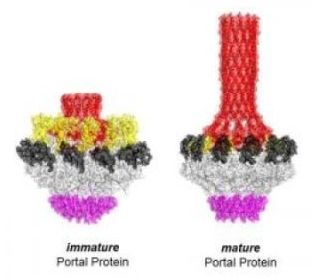
To generate swarms of new viral particles, a virus hijacks a cell into producing masses of self-assembling cages that are then loaded with the genetic blueprint for the next infection. But the picture of how that DNA is loaded into those viral cages, or capsids, was blurry, especially for two of the most common types of DNA virus on earth, bacterial viruses and human herpesvirus. Jefferson researchers pieced together the three-dimensional atomic structure of a doughnut-shaped protein that acts like a door or ‘portal’ for the DNA to get in and out of the capsid, and have now discovered that this protein begins to transform its structure when it comes into contact with DNA. Their work published in Nature Communications.
“Researchers thought that the portal protein acts as an inert passageway for DNA,” says senior author Gino Cingolani, Ph.D., a Professor in the Department of Biochemistry and Molecular Biology at Thomas Jefferson University and researcher at the Sidney Kimmel Cancer Center. “We have shown that the portal is much more like a sensor that essentially helps measure out an appropriate length of DNA for each capsid particle, ensuring faithful production of new viral particles.”
The finding solves a longstanding puzzle in the field, and reveals a potential drug target for one of the most common human viral pathogens, herpesviruses, which is responsible for diseases such as chicken pox, mononucleosis, lymphomas and Kaposi sarcoma.