
There are multiple software options that analyze your genetic data and make recommendations on which supplements you should be taking.
Category: genetics – Page 651

Scientists working toward reversible kind of gene editing
Scientists are altering a powerful gene-editing technology in hopes of one day fighting diseases without making permanent changes to people’s DNA.
The trick: Edit RNA instead, the messenger that carries a gene’s instructions.
“If you edit RNA, you can have a reversible therapy,” important in case of side effects, said Feng Zhang of the Broad Institute of MIT and Harvard, a gene-editing pioneer whose team reported the new twist Wednesday in the journal Science.

Octopuses Edit Their Genetic Code Like No Other Animal
Cephalopods can make sweeping changes to their RNA, favoring individual adaptations over species-level evolution.
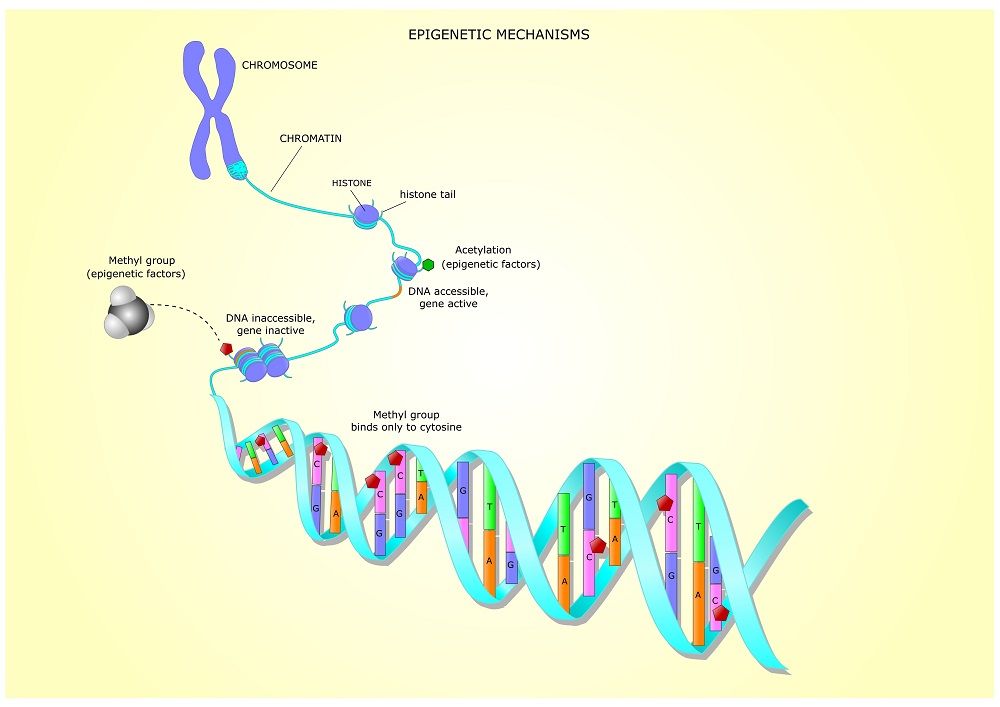
Hallmarks of Aging: Epigenetic Alterations
This is the second part of our ongoing series of articles that discuss the Hallmarks of Aging. Published in 2013, the paper divides aging into a number of distinct categories (“hallmarks”) of damage to explain how the aging process works and how it causes age-related diseases[1].
Today, we will be looking at one of the primary hallmarks, epigenetic alterations.
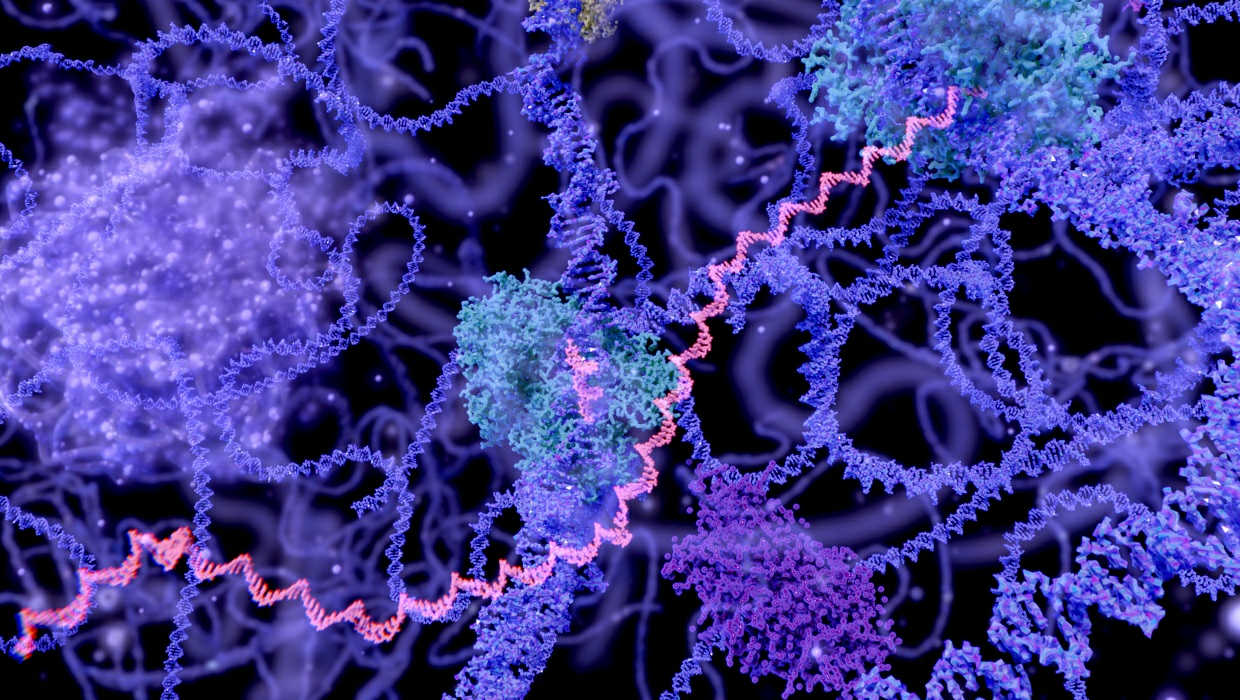
The Epigenome in Cancer and Disease
Describes the epigenetic role in aging, cancer and disease as well as drugs that are targeting the epigenome.
Our epigenome plays a role in aging and also in diseases like cancer and diabetes. Scientists have developed epigenome-targeting cancer drugs.

Where’d you get those genes? The answer may shock you
Military applications of gene-altering technology must also be considered (Op-Ed by Tomasz Pierscionek)
Recent developments in the field of biotechnology have shown that mutations can be edited out of the human genome. What are the future implications of this research and will it be used to the benefit or detriment of society?
Last month, UK scientists performed gene-editing experiments for the first time in order to gain a greater understanding of how embryos develop, and it is likely researchers in other countries will soon follow suit.
UK law permits experiments to be performed on embryos that are no more than 14 days old and prohibits their implantation into a human host.
The First Human to Attempt CRISPR Gene Editing on Their Genome
The first attempt at human CRISPR gene editing did not occur in a hospital or University or in a clinical trial by some $100 million funded company. Instead, it happened in small cramped room in San Francisco in front of 30 or so people who squeezed in to listen to a talk about how biohackers are making genetic and cellular modification accessible.
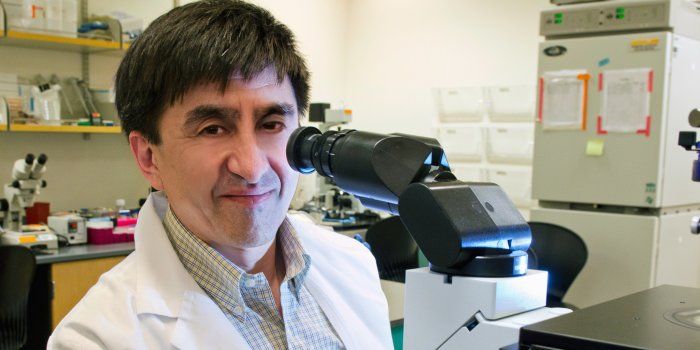
Gene Editing Is Here, and Desperate Patients Want It
Two-thirds of Americans support therapeutic use, but regulators are still stuck in the 1970s.
Should Americans be allowed to edit their DNA to prevent genetic diseases in their children? That question, which once might have sounded like science fiction, is stirring debate as breakthroughs bring the idea closer to reality. Bioethicists and activists, worried about falling down the slippery slope to genetically modified Olympic athletes, are calling for more regulation.
Roundtable: Is human gene editing ethical?
I join this 30 min panel with scientists and a mother with a down syndrome child on Turkish national television to debate genetic editing. I adovcate for allowing genetic editing to improve the human race, despite fears:
Better, stronger, disease-free humans. Editing human DNA could save lives and enhance them. But should we be playing god?
Genes determine our health, looks, the way we function. They’re the ingredients for life. The idea that we could one day change them is an exciting prospect, but also an ethical minefield. As science moves closer towards gene editing, the concern is that it could go too far and even create a new elite group of enhanced humans.
Subscribe: http://trt.world/subscribe
Livestream: http://trt.world/ytlive
Facebook: http://trt.world/facebook
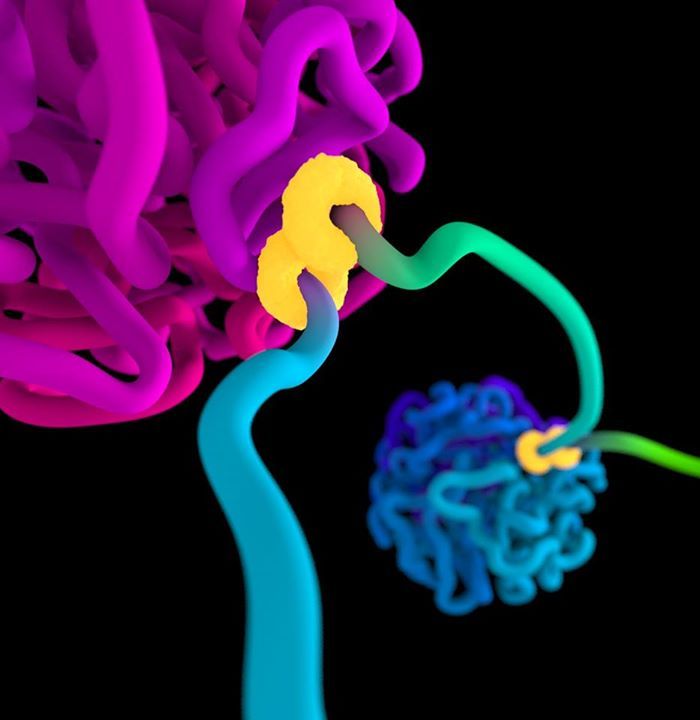
Researchers map human genome in 4D as it folds
Researchers map human genome in 4D as it folds.
Time-lapse view reveals new mechanism that brings DNA elements together.
A multi-institutional team spanning Baylor College of Medicine, Rice University, Stanford University and the Broad Institute of MIT and Harvard has created the first high-resolution 4D map of genome folding, which tracks an entire human genome as it folds over time. The report, which may lead to new ways of understanding genetic diseases, appears on the cover of Cell.