Rewriting the Code of Life
Through DNA editing, researchers hope to alter the genetic destiny of species and eliminate diseases.

What humans will look like in 100 years: Expert reveals the genetically modified bodies we’ll need to survive
Of all the potentially apocalyptic technologies scientists have come up with in recent years, the gene drive is easily one of the most terrifying. A gene drive is a tool that allows scientists to use genetic engineering to override natural selection during reproduction. In theory, scientists could use it to alter the genetic makeup of an entire species—or even wipe that species out. It’s not hard to imagine how a slip-up in the lab could lead to things going very, very wrong.
It may be possible to reduce, stop or even prevent absence seizures, the most common form of childhood epilepsy, according to a study published in the leading scientific journal Neuron.
Using an advanced technology called optogenetics and a rodent model, researchers at Stanford University School of Medicine showed that it is possible to trigger seizures by inducing synchronized, rhythmic activity within a particular structure in the brain called the thalamocortical tract. Importantly, they also demonstrated that disrupting this activity is sufficient to terminate the seizures.
For the study the team, led by Dr Jeanne Paz, inserted a gene that encodes for a light-sensitive cell-surface protein into a set of nerve cells situated in the thalamocortical tract of rat and mice models of absence seizures. This way, the scientists were able to prevent these cells from firing by shining a yellow light onto them.

A new genetic disease has been discovered that could play a key role in devastating brain conditions such as Alzheimer’s and Parkinson’s, opening up the possibility of new forms of treatment.
A 47-year-old Canadian woman, who had been having difficulty walking and balancing since she was 28, was found to have a new genetic disease after 10 known conditions were ruled out, according to a paper in the journal Nature by an international team of researchers.
The disease causes an over-reaction by the body’s natural repair system. An enzyme, known as PARP1, goes into over-drive, ultimately causing the deaths of brain cells.
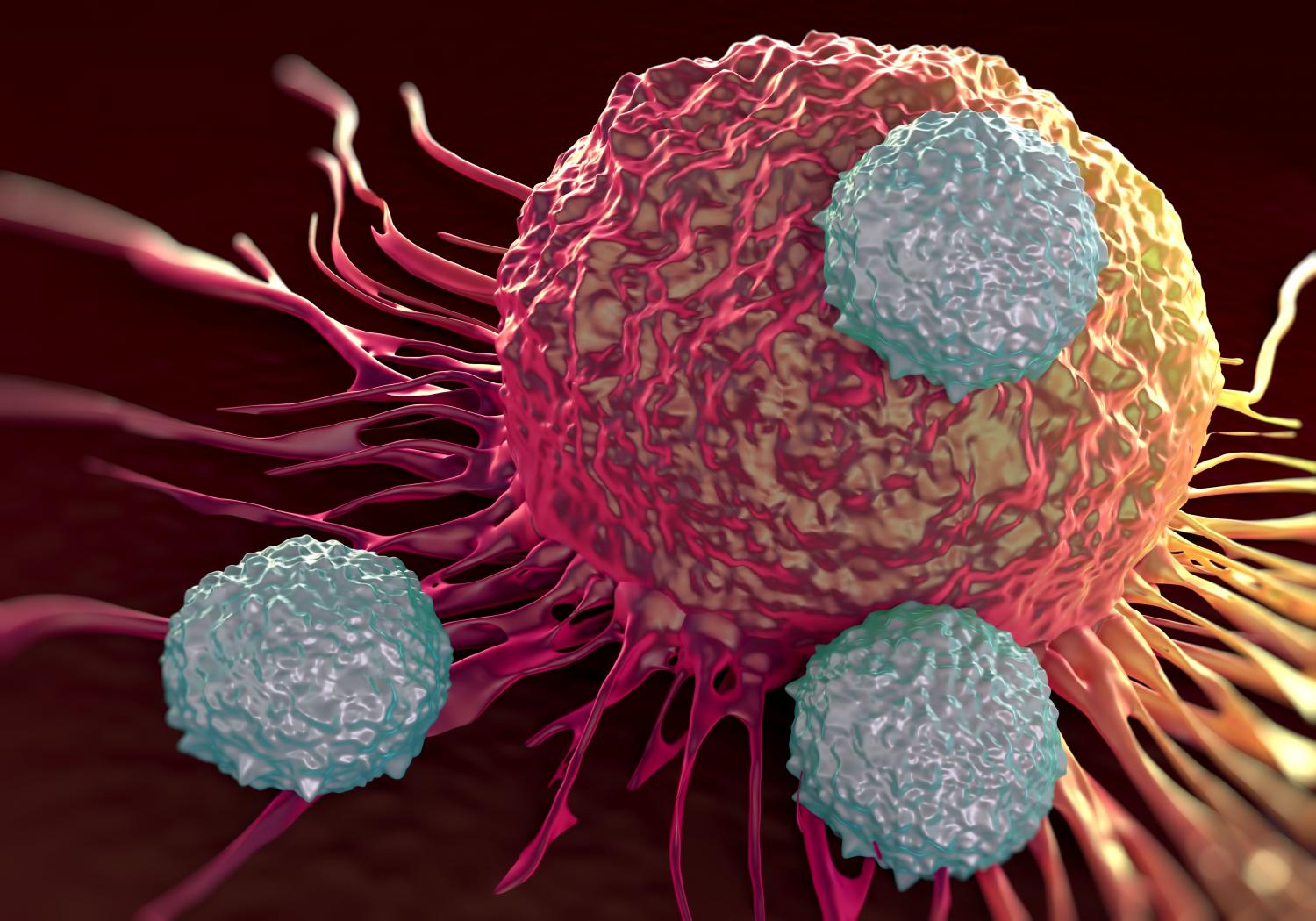
New study provides deeper insight into the immune system.
In a bid to better understand the gene expression patterns that control T cell activity, researchers at the La Jolla Institute for Allergy and Immunology mapped genome-wide changes in chromatin accessibility as T cells respond to acute and chronic virus infections. Their findings, published in the Dec. 20, 2016 issue of Immunity, shed light on the molecular mechanisms that determine the fate of T lymphocytes and open new approaches to clinical intervention strategies to modulate T cell activity and improve immune function.
“Identifying the different factors that determine different T cell states and therefore their function helps us understand if T cells will be able or not to fight viral infections or tumor growth, and if they will be able or not to provide long-term protection,” says the study’s first author James Scott-Browne, a postdoctoral fellow in the laboratory of Anjana Rao, a professor in the Division of Signaling and Gene Expression. “We may be able to revert the exhaustion phenotype of T cells and render them better able to fight tumors or chronic viral infections such as HIV, or generate better memory cells in response to vaccines.”
When viruses invade or cells turn malignant, the immune system mobilizes a small cohort of naïve or immature CD8 T cells, a crucial subdivision of the immune system charged with killing virus-infected and cancerous cells. Upon activation, they mature and proliferate exponentially into highly specific effector T cells that eliminate virus-infected or otherwise compromised cells. After their job is done, most effector T cells die leaving behind only a small contingent of memory T cell that confer long-term protection.

The biotech battle between China and the US has begun as we predicated when we announced the first CRISPR deployment in humans last month. The US has upped the ante and is taking a step further in the race for the biotech crown. All great news for us as the more competition the faster progress will move so let’s hope there is a fierce battle for biotech coming.
In 2015, a little girl called Layla was treated with gene-edited immune cells that eliminated all signs of the leukemia that was killing her. Layla’s treatment was a one-off, but by the end of 2017, the technique could have saved dozens of lives.
It took many years to develop the gene-editing tool that saved Layla, but thanks to a revolutionary method known as CRISPR, this can now be done in just weeks.
In fact, CRISPR works so well that the first human trial involving the method has already begun. In China, it is being used to disable a gene called PD-1 in immune cells taken from individuals with cancer. The edited cells are then injected back into each person’s body.

(FoxNews.com) — Food producer Del Monte has received approval from the Food and Drug Administration to start selling a genetically engineered pineapple with pink flesh.
The new species Ananas comosus has been given the more consumer-friendly name of the “Rosé” and, according to The Packer, Del Monte has quietly been working on the fruit’s development since 2005.
So what makes the usually golden-colored fruit pink? The patened pineapple DNA is injected with a healthy dose of lycopene, the bright red pigment found in tomatoes and watermelons.
Further progress with cancer this time using genome sequencing.
In their search for new ways to treat cancer, many scientists are using a high-tech process called genome sequencing to hunt for genetic mutations that encourage tumor cells to thrive. To aid in this search, some researchers have developed new bioinformatics methods that each claim to help pinpoint the cancer-friendly mutants.
But a stubborn question remains: Among the numerous new tactics that aim to spotlight the so-called cancer driver genes, which produce the most accurate results?
To help solve this puzzle, a team of Johns Hopkins computational scientists and cancer experts have devised their own bioinformatics software to evaluate how well the current strategies identify cancer-promoting mutations and distinguish them from benign mutations in cancer cells.

Hype aside demonstration that epigentic reprogramming can reverse some of the aging process is an important step forward for progress. We can expect to see this moving to human trials in the next decade or so making the future an exciting possibility.
Science is increasingly coming to the conclussion that aging is amenable to intervention and that it is a plastic process that we can manipulate. More research in this week shows that aging is indeed elastic and is not a one way process at all. The sooner society accepts what the data from the labs is showing the sooner we can cure age-related diseases for healthier longer lives!
“We did not correct the mutation that causes premature aging in these mice,” lead researcher Juan Carlos Izpisua Belmonte said in a recent statement. “We altered aging by changing the epigenome, suggesting that aging is a plastic process.”