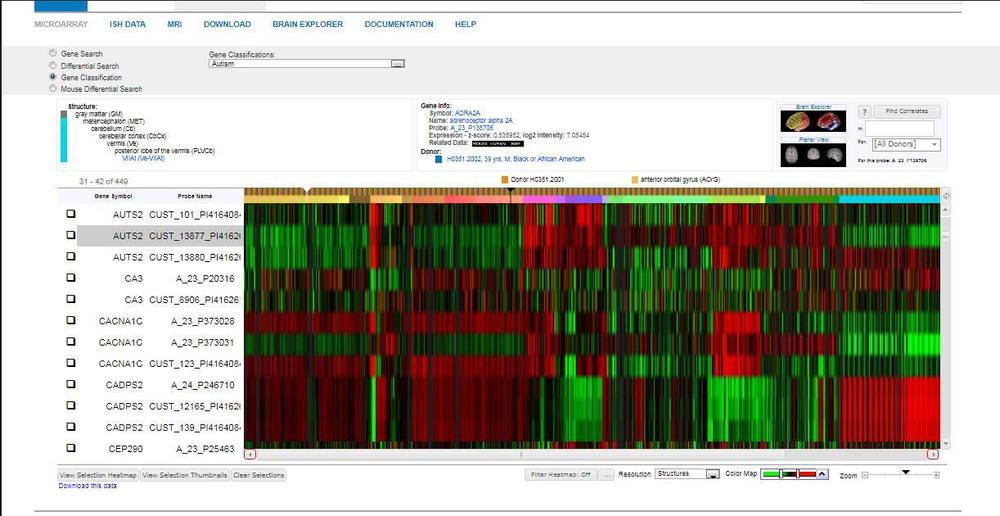
> http://human.brain-map.org/microarray/search/show?search_ter…page_num=0 <
⬇️
The modern world is facing a tsunami of data. DNA is emerging as an ultra-compact way of storing it all, and now researchers supported by Microsoft have created the first system that can automatically translate digital information into genetic code and retrieve it again.
In 2018 we created 33 zettabytes (ZB)—33 trillion gigabytes—of data, according to analysts at IDC, and they predict that by 2025 that figure will rise to 175 ZB. It’s been estimated that if we were to store all our information in flash drives, by 2040 it would require 10 to 100 times the global supply of chip-grade silicon.
DNA, on the other hand, is so compact it could shrink a data center to the size of a few dice. But for that to become practical we need a DNA-based equivalent of a hard drive that lets you upload and download data in a simple and intuitive way.

Scientists have found a genetic mutation that cranks up someone’s pain tolerance to the superhuman level.
New research describes an Italian family with a rare gene that turns down their pain sensitivity and might offer clues in the development of pain treatments, particularly those who experience chronic pain. The six members of this family, who are from three different generations, have “a distinctive pain response that has not been identified in any other people,” University College London explained. The low-pain condition is called congenital analgesia and has been connected to a couple of other genetic mutations as well, but the studied family has a unique set of symptoms.
“The members of this family can burn themselves or experience … bone fractures without feeling any pain,” lead study author James Cox said in the university statement. “Their nerves are all there, they’re just not working how they should be. We’re working to gain a better understanding of exactly why they don’t feel much pain.”
Age is a leading risk factor for a number of conditions such as heart disease, cancer, and Alzheimer’s disease among others, such conditions make a real need for development of anti-aging therapies urgent. Salk Institute researchers may have developed a new gene therapy to help decelerate the aging process, as published in the journal Nature Medicine.
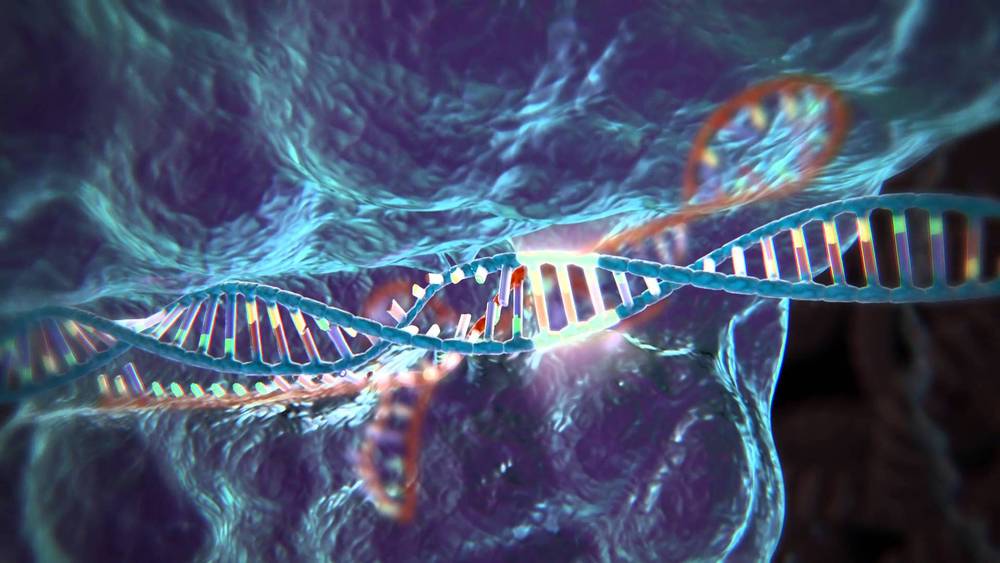
CRISPR-Cas9 genome editing therapy has been shown by the Salk Institute team to suppress the accelerated aging observed in mice with Hutchinson-Gilford Progeria syndrome; and provided insight into the molecular pathways involved in accelerated aging, and how to reduce toxic proteins via gene therapy.
Having an early onset and fast progression progeria is a severe form of degenerative disorder caused by LMNA gene mutations; signs of accelerated aging include DNA damage, cardiac dysfunction, and dramatically shortened lifespan. LMNA genes produce lamin A and lamin C inside a cell, progeria shifts production of lamin A to progerin which is a toxic shortened form of lamin A that accumulates with age and becomes exacerbated with the condition.

UMBC’s Hua Lu, professor of biological sciences, and colleagues have found new genetic links between a plant’s circadian rhythm (essentially, an internal clock) and its ability to fend off diseases and pests. The findings were 10 years in the making and published in Nature Communications this week. The results could eventually lead to plants that are more resistant to disease-causing pathogens and better treatment for human diseases.
“It’s quite cool,” Lu says, “because, in both plants and animals, people are beginning to study the crosstalk between the circadian clock and the immunity system.”

Harvard geneticist George Church, famous for his plan to resurrect the woolly mammoth, has been assembling a list of genetic mutations and alterations that could give people longer lives and superhuman powers.
The spreadsheet, which reads like a mad scientist’s field notes, lists the known pros and cons of each gene. For instance, a specific mutation to the LRP5 gene would give you extra-strong bones — but also make you less buoyant in water. Other edits could give subjects resistance to radiation or incredible skills at holding their breath underwater.
All in all, the spreadsheet serves as a glimpse into the sort of changes we may expect once human gene-hacking becomes safer and more common.
Isaac Asimov referred to a 70-old man as an old individual who is unlikely to live much longer. Yet, given the present pace of discovery in the ageing field, the pace of ageing could be slowed within our lifetime, with science surpassing science fiction.
Thus, genetic studies have now firmly established that aging is regulated by specific genes conserved from yeast to mice [23,30–34].
Independently of discoveries of AP genes in model organisms, research in cellular senescence yielded complementary results. Cellular senescence is now widely recognized as an essential tumor suppressor mechanisms, and is not a decline due to cellular degeneration. In contrast, the senescence response is an active process caused by activation of both DNA-damage responses (DDR) and mitogen-activated pathways. Senescent fibroblasts acquire phenotypes that include hyper-secretion of inflammatory cytokines and other tissue-altering molecules and hypertrophic morphologies [35–42]. Senescent cells can alter the behavior of neighboring cells [35], and may drive aging and age-related diseases [43]. Cellular senescence can be prevented by knocking out cell cycle inhibitors such as p53, pRb, p21 and p16 [44–48].
A new publication highlights how the complex interaction of NAD+ and cellular senescence pathways may complicate proposed anti-aging therapies that boost NAD+ using precursors.
What are epigenetic alterations?
One of the proposed reasons we age is the changes to gene expression that our cells experience as we get older; these are commonly called epigenetic alterations. These alterations harm the fundamental functions of our cells and can increase the risk of cancer and other age-related diseases.
Although NIST has now published the data needed to generate match statistics for NGS-based profiles, other hurdles must still be cleared before the new technology sees widespread use in forensics. For instance, labs will have to develop ways to manage the greater amounts of data produced by NGS. They will also have to implement operating procedures and quality controls for the new technology. Still, while much work remains, said Peter Vallone, the research chemist who leads NIST’s forensic genetics research, “We’re laying the foundation for the future.”
DNA is often considered the most reliable form of forensic evidence, and this reputation is based on the way DNA experts use statistics. When they compare the DNA left at a crime scene with the DNA of a suspect, experts generate statistics that describe how closely those DNA samples match. A jury can then take those match statistics into account when deciding guilt or innocence.
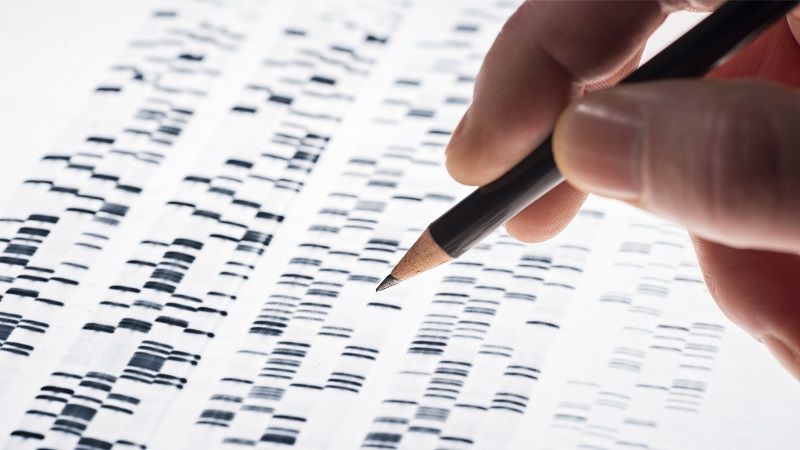
These match statistics are reliable because they’re based on rigorous scientific research. However, that research only applies to DNA fingerprints, also called DNA profiles, that have been generated using current technology. Now, scientists at the National Institute of Standards and Technology (NIST) have laid the statistical foundation for calculating match statistics when using Next Generation Sequencing, or NGS, which produces DNA profiles that can be more useful in solving some crimes. This research, which was jointly funded by NIST and the FBI, was published in Forensic Science International: Genetics.
“If you’re working criminal cases, you need to be able to generate match statistics,” said Katherine Gettings, the NIST biologist who led the study. “The data we’ve published will make it possible for labs that use NGS to generate those statistics.”