
Category: genetics – Page 568

Sensitive scanning technology for low frequency nuclear point mutations in human genomic DNA
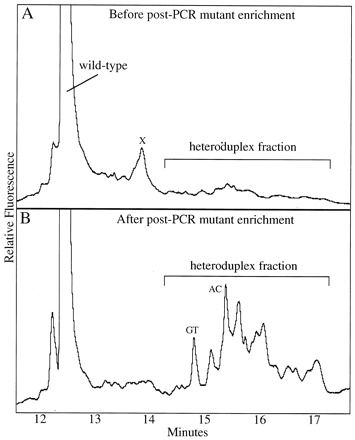
Knowledge of the kinds and numbers of nuclear point mutations in human tissues is essential to the understanding of the mutation mechanisms underlying genetic diseases. However, nuclear point mutant fractions in normal humans are so low that few methods exist to measure them. We have now developed a means to scan for point mutations in 100 bp nuclear single copy sequences at mutant fractions as low as 10–6.Beginning with about 10 human cells we first enrich for the desired nuclear sequence 10 000-fold from the genomic DNA by sequence-specific hybridization coupled with a biotin–streptavidin capture system. We next enrich for rare mutant sequences 100-fold against the wild-type sequence by wide bore constant denaturant capillary electrophoresis (CDCE). The mutant-enriched sample is subsequently amplified by high fidelity PCR using fluorescein-labeled primers. Amplified mutant sequences are further enriched via two rounds of CDCE coupled with high fidelity PCR. Individual mutants, seen as distinct peaks on CDCE, are then isolated and sequenced. We have tested this approach by measuring N-methyl–N ′-nitro–N-nitrosoguanidine (MNNG)-induced point mutations in a 121 bp sequence of the adenomatous polyposis coli gene (APC) in human lymphoblastoid MT1 cells. Twelve different MNNG-induced GC→AT transitions were reproducibly observed in MNNG-treated cells at mutant fractions between 2 × 10⁻⁶ and 9 × 10⁻⁶. The sensitivity of this approach was limited by the fidelity of Pfu DNA polymerase, which created 14 different GC→TA transversions at a mutant fraction equivalent to ~10–6 in the original samples. The approach described herein should be general for all DNA sequences suitable for CDCE analysis. Its sensitivity and capacity would permit detection of stem cell mutations in tissue sectors consisting of ~10 cells.
Google backs a bid to use CRISPR to prevent heart disease
Ever wonder why some fortunate people eat chips, don’t exercise, and still don’t get clogged arteries? It could be because they’ve got lucky genes.
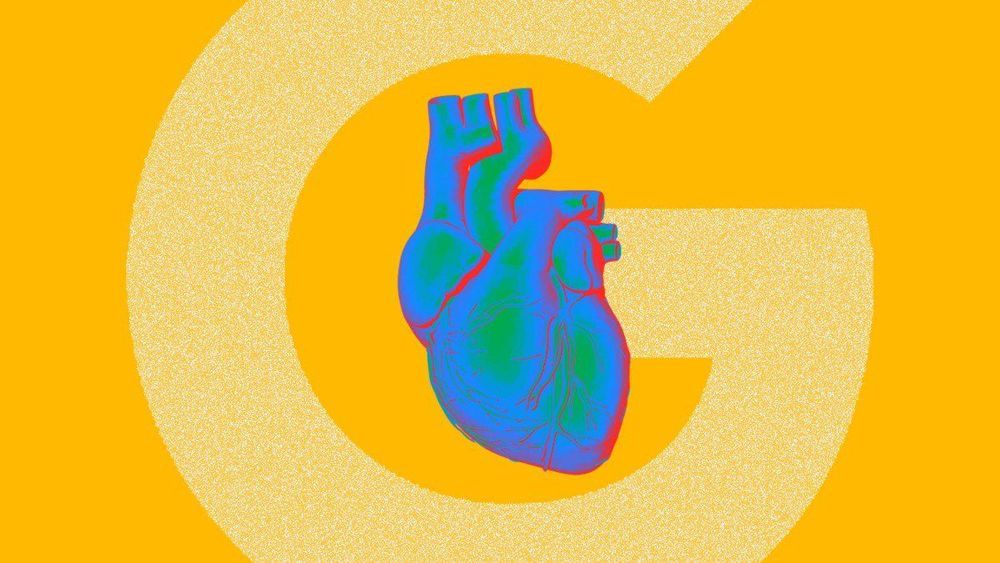
Now Alphabet (Google’s parent company) is bankrolling a startup company that plans to use gene editing to spread fortunate DNA variations with “one-time” injections of the gene-editing tool CRISPR.
Heart doctors involved say the DNA-tweaking injections could “confer lifelong protection” against heart disease.
Tardigrade DNA inserted into human cells gives them X-ray resistance
This is where it gets a little weird.
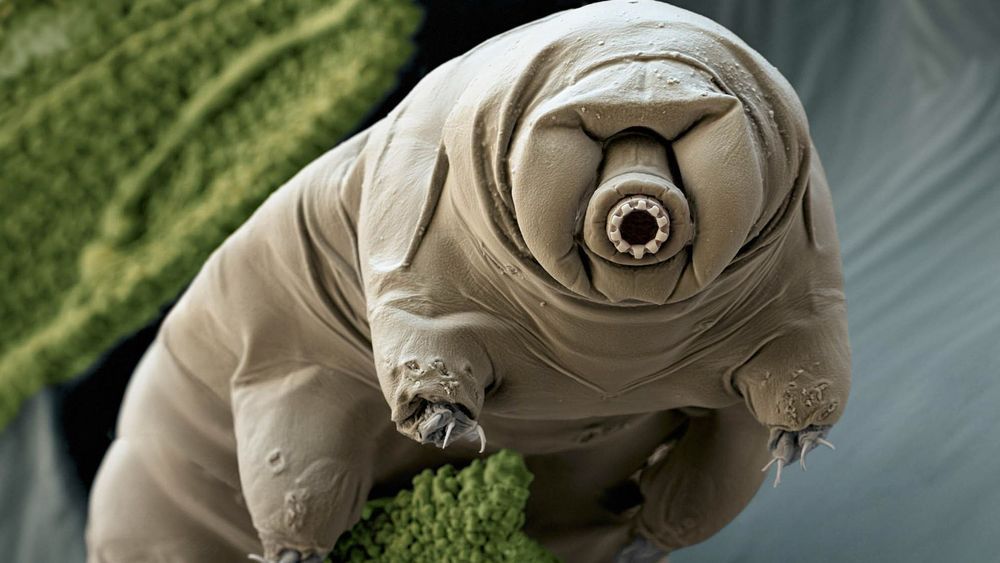
When the team treated human cells in culture with extract of tardigrade, the GFP-tagged proteins stuck to human DNA just like they stick to tardigrade DNA, and cheerfully started doing what they do best: tamping down oxidative stress. When X-rays hit human cells, they do two kinds of damage. X-rays can cause direct DNA strand breaks, which are mostly single-strand. When they strike water molecules, they can also excite them into producing reactive oxygen species, which also cause single-strand breaks. High enough doses of X-rays can cause double-strand breaks. The damage-suppressing protein Dsup went immediately to work on the culture of human cells, suppressing or repairing single-strand and double-strand breaks by about 40%.
Clearly this means we can consume water bears to gain their powers. The study authors remark that the gene portfolio of the tardigrade represents “a treasury of genes” to improve or augment stress tolerance in other cells. Plug-and-play genetics, anyone?
Interview with Prof. Morgan Levine
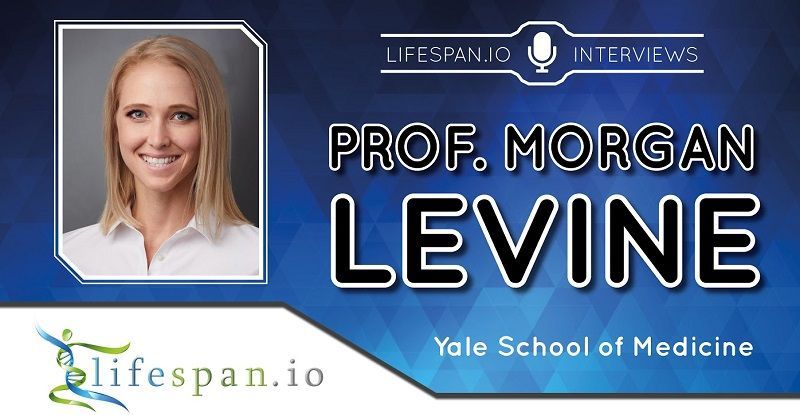
Tam Hunt interviews Prof. Morgan Levine about her work with epigenetics and aging.
One of the biggest breakthroughs in biology in the last few decades has been the discovery of epigenetics. Rather than changing the genes themselves, epigenetics change how genes are expressed, allowing our cells to differentiate between their various types.
However, the epigenetics of our cells change over time. There is some debate over how much epigenetic alterations are a cause or a consequence of other age-related damage, but they are one of the primary hallmarks of aging.
Multiple “epigenetic clocks” have been developed over the last decade. These clocks are now displaying an uncanny ability to determine biological age, and Steve Horvath’s GrimAge can predict, with limited accuracy, how much longer a human has to live!
Dark centers of chromosomes reveal ancient DNA
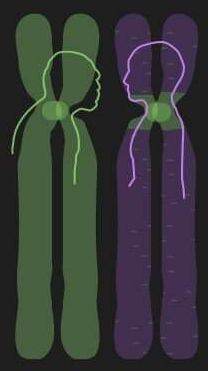
Geneticists exploring the dark heart of the human genome have discovered big chunks of Neanderthal and other ancient DNA. The results open new ways to study both how chromosomes behave during cell division and how they have changed during human evolution.
Centromeres sit in the middle of chromosomes, the pinched-in “waist” in the image of a chromosome from a biology textbook. The centromere anchors the fibers that pull chromosomes apart when cells divide, which means they are really important for understanding what happens when cell division goes wrong, leading to cancer or genetic defects.
But the DNA of centromeres contains lots of repeating sequences, and scientists have been unable to properly map this region.
Can probiotics and other factors be used reliably to benefit health?
Steven Finkel tells the story of a close family member who had a discomforting health issue—the kind you don’t discuss at the dinner table.
“She went and chose a bunch of yogurts with active culture,” he says. The first yogurt—call it Yogurt A—made her constipated, and Yogurt B gave her diarrhea. “It’s like Goldilocks,” he adds, before concluding her tale of woe with a happy ending: “Yogurt C made her feel great.”
Hoping to understand how three versions of one food could cause such dissimilar reactions, the relative contacted Finkel, who is professor of biological sciences at USC Dornsife and an expert on bacterial physiology, genetics and evolution.
Do-it-yourself CRISPR genome editing kits bring genetic engineering to your kitchen bench
CRISPR genome editing is one of the most significant, world-changing technologies of our era, allowing scientists to make incredibly precise cut n’ paste edits to the DNA of living organisms. Now, one synthetic biologist from NASA plans to make it as accessible as a home science kit, so you can bio-hack yeast and bacteria on your kitchen bench.

Harvard Scientist Reveals List Of Genes And Their Corresponding Superhuman Abilities
George Church is a Harvard scientist that is famed for his plan to bring the woolly mammoth back to life. This genius scientist has also been involved in another project and has been assembling a list of genetic mutations and alterations that could give people longer lives and superhuman powers. We could be on the brink of real-life superheroes!
While some people may think this is just a passing thought, it really isn’t. In fact, Church has even created a spreadsheet which lists the known pros and cons of each gene and what “superpower” they would give. One example would be a specific mutation to the LRP5 gene, which would give the patient extra-strong bones. However, such a power would also decrease buoyancy in water. Other weird and wonderful changes could offer patients resistance to radiation or incredible skills at holding their breath underwater.