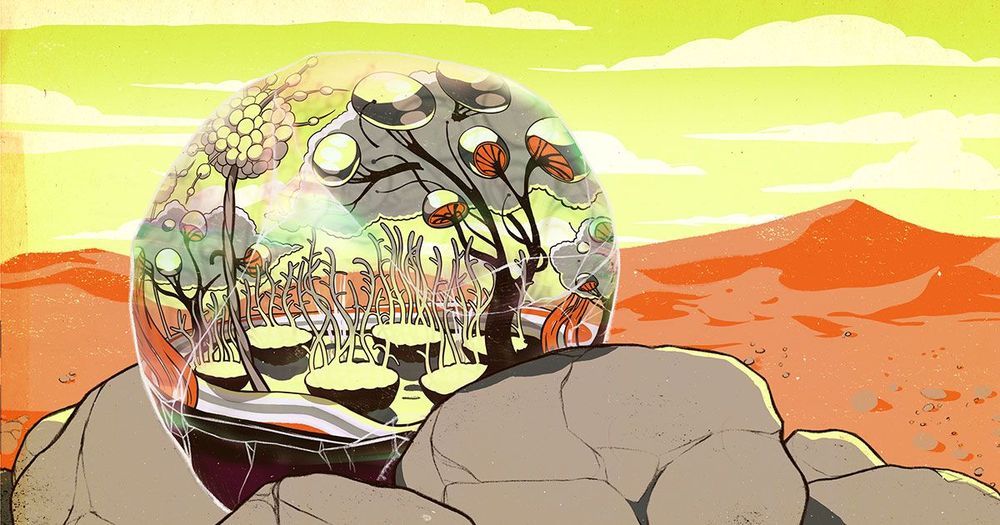
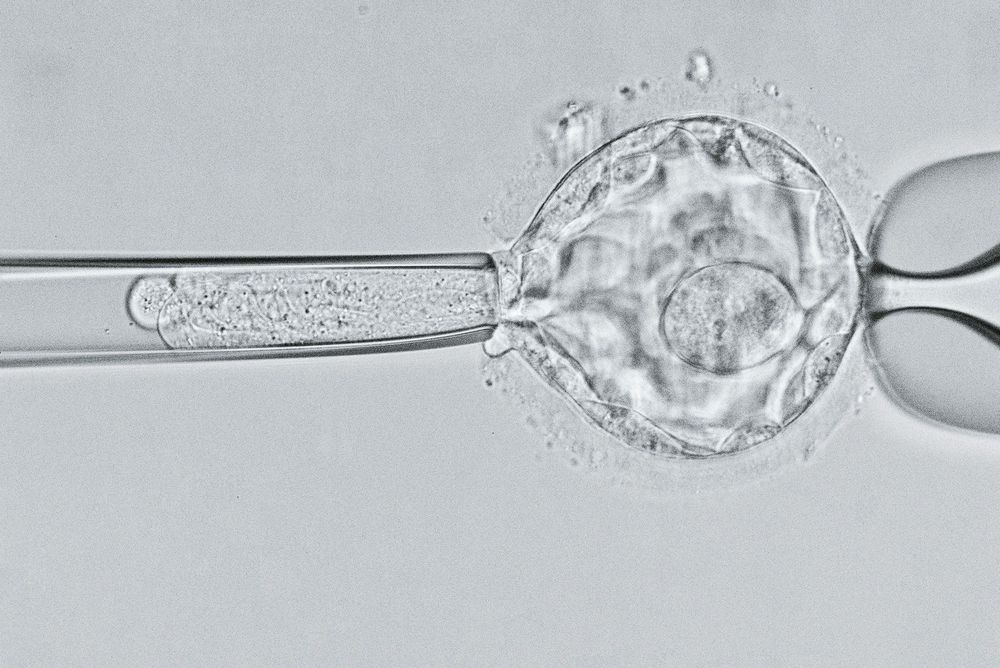
“The technology is similar to weapons and drugs…creation of a super-baby should be banned forever.”
The scientist behind the tech is calling for a ban.
Read more


BioViva warmly welcomes Dr de Magalhaes to our Scientific Advisory Board!
Dr de Magalhaes graduated in Microbiology in 1999 from the Escola Superior de Biotecnologia in his hometown of Porto, Portugal, and then obtained his PhD in 2004 from the University of Namur in Belgium. Following a postdoc with genomics pioneer Prof George Church at Harvard Medical School, in 2008 Dr de Magalhaes was recruited to the University of Liverpool. He now leads the Integrative Genomics of Ageing Group (http://pcwww.liv.ac.uk/~aging/) which focuses on understanding the genetic, cellular, and molecular mechanisms of ageing. Dr de Magalhaes has authored over 100 publications and given over 100 invited talks, including three TEDx talks.
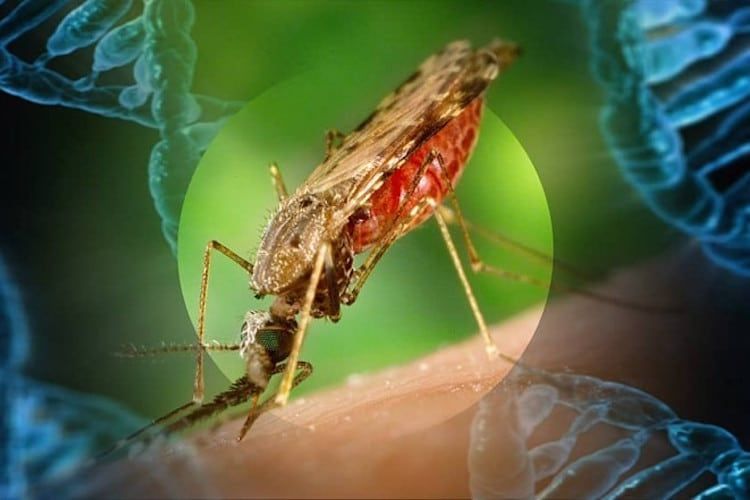
Continuing from Motherboard, “In an email to Motherboard, a DARPA spokesperson said that four research teams have received allotments of the $45 million funding from the agency as a part of Insect Allies, and that all teams have now entered phase two. The teams include researchers from Penn State University, the University of Texas, and Ohio State University.”
It isn’t difficult to tell what opinion this article represents. Do we need this, or want to trust people with placing genetically modified viruses in the crops that become our grocery store produce?
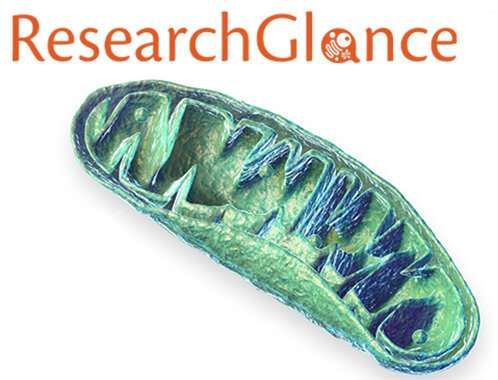
The cells of most patients’ cancers are resistant to a class of drugs, called proteasome inhibitors, that should kill them. When studied in the lab, these drugs are highly effective, yet hundreds of clinical trials testing proteasome inhibitors have failed. Now scientists may have solved the mystery of these cells’ surprising hardiness. The key: Resistant cancer cells have shifted how and where they generate their energy. Using this new insight, researchers have identified a drug that resensitizes cancer cells to proteasome inhibitors and pinpointed a gene that is crucial for that susceptibility.
As cancer cells develop, they accrue multiple genetic alterations that allow the cells to quickly reproduce, spread and survive in distant parts of the body, and recruit surrounding cells and tissues to support the growing tumor. To perform these functions, cancer cells must produce high volumes of the proteins that support these processes. The increased protein production and numerous mutated proteins of cancer cells make them particularly dependent on the proteasome, which is the cell’s protein degradation machine. These huge protein complexes act as recycling machines, gobbling up unwanted proteins and dicing them into their amino acid building blocks, which can be reused for the production of other proteins.
Previously, researchers exploited cancer cells’ increased dependency on their proteasomes to develop anti-cancer therapies that inhibit the proteasomes’ function. Several distinct proteasome inhibitors have been developed, and when used in the lab, these proteasome inhibitor drugs are indeed highly effective at eradicating tumor cells. However, when administered to animal models or patients with cancer, such as multiple myeloma, proteasome inhibitors have limited efficacy and even initially vulnerable cancer cells quickly develop resistance to them. How do cancer cells so adroitly sidestep drugs that should kill them?
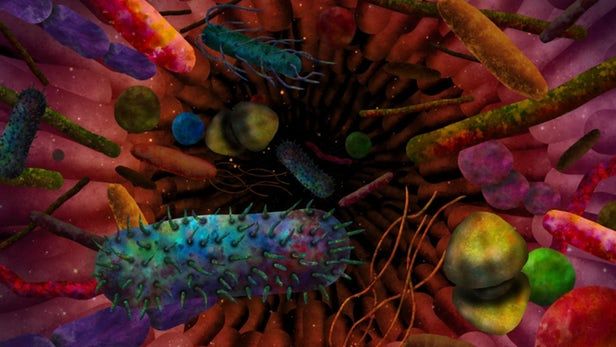
Two studies are shedding light on the links between the gut, the brain, and autism. The research reveals how gut problems can be triggered by the same gene mutations associated with autism, and a study shows how a fecal transplant from humans with autism can promote autism-like behaviors in mice.