Imagine a bright, sunny day suddenly turning dark as a solar eclipse sweeps across the sky. Even though humans have watched and recorded eclipses for thousands of years and now understand the science behind them, experiencing a spell of darkness during the day can still evoke awe and surprise.
A rare total eclipse in 2024, which a significant portion of North America witnessed, created an exciting opportunity for researchers to understand how zoo animals behave during a total solar eclipse. They were curious whether the sudden changes in light and temperature caused by the eclipse would trigger different reactions in various captive species.
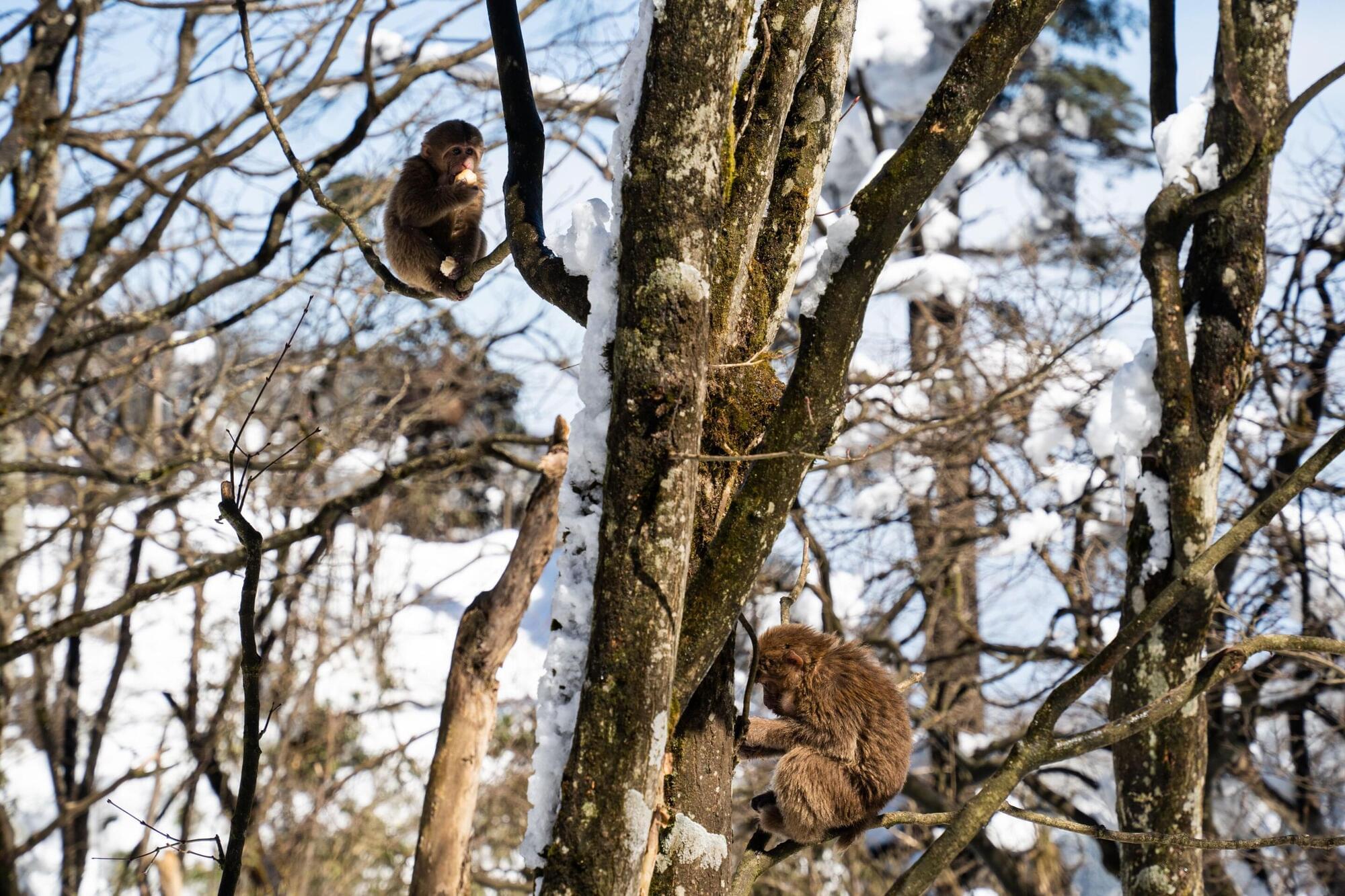
Most zoo animals showed very little change in their behavior during the total eclipse, but a few reactions stood out. Japanese macaques, zebras, camels and some birds displayed signs of stress, such as climbing high in trees, stopping their usual activities, becoming more active and showing increased alertness as the eclipse unfolded.