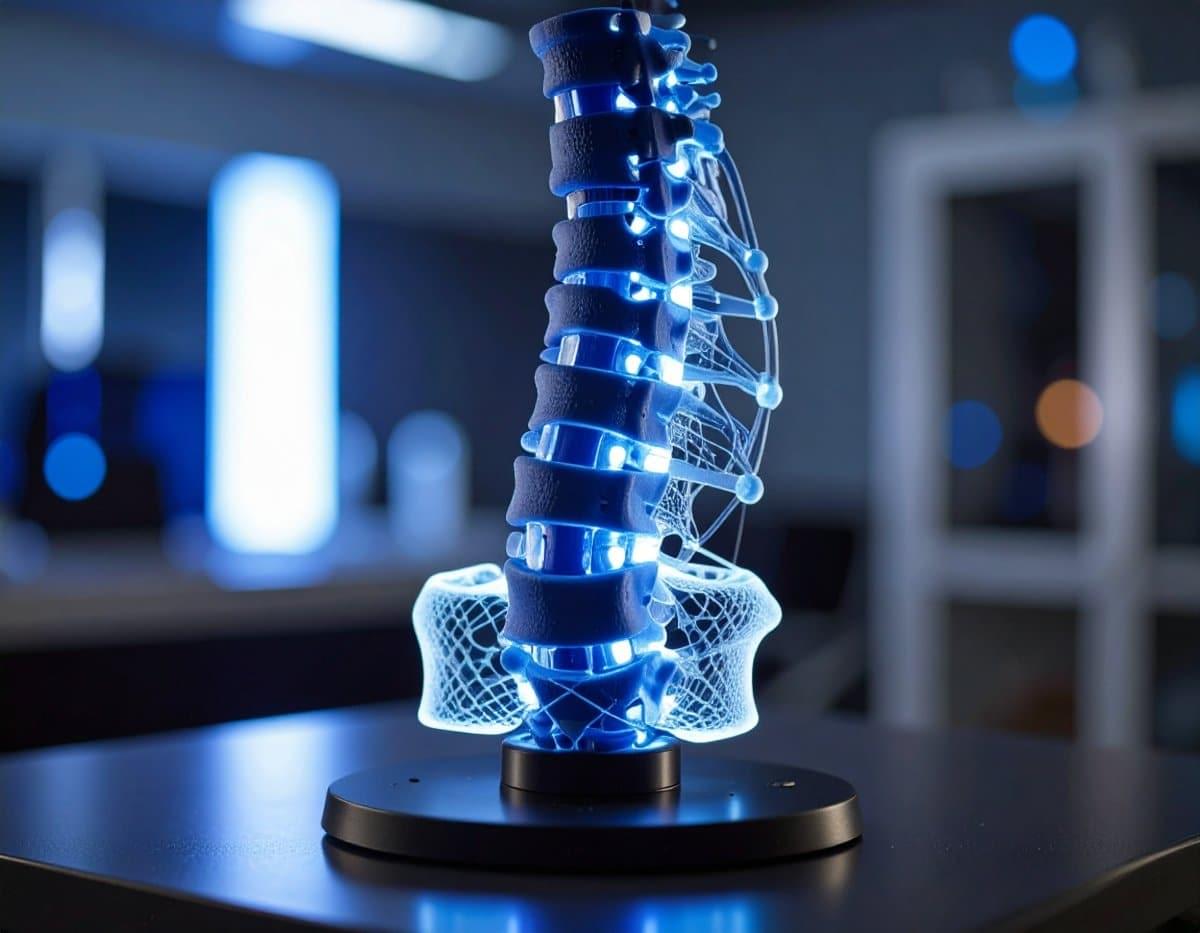
Scientists have developed a 3D-printed implant that delivers targeted electrical stimulation to damaged areas of the spinal cord, promoting nerve regeneration.
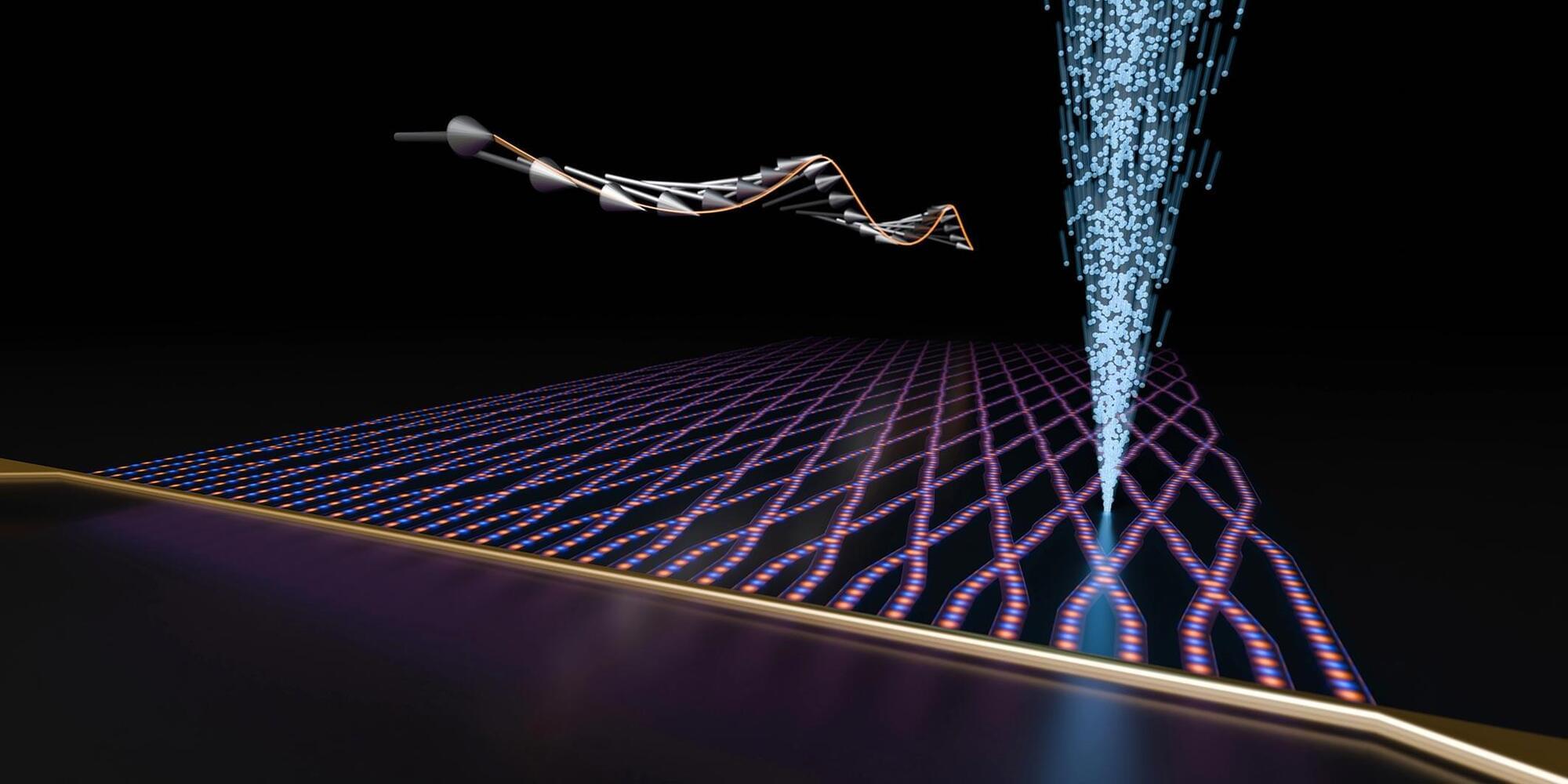



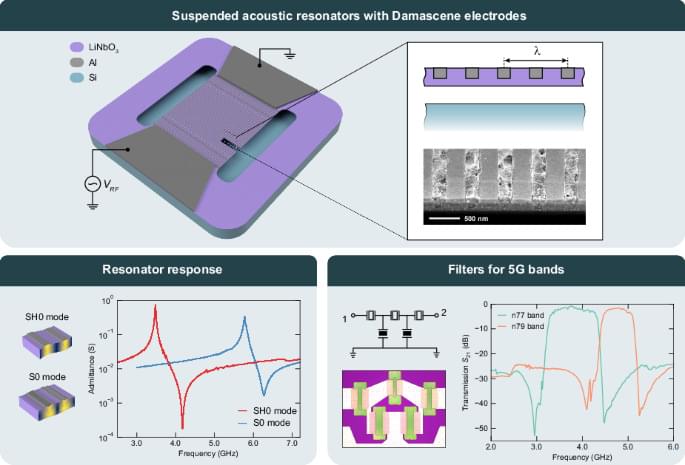
Data rates and volume for mobile communication are ever-increasing with the growing number of users and connected devices. With the deployment of 5G and 6G on the horizon, wireless communication is advancing to higher frequencies and larger bandwidths enabling higher speeds and throughput. Current micro-acoustic resonator technology, a key component in radiofrequency front-end filters, is struggling to keep pace with these developments. This work presents an acoustic resonator architecture enabling multi-frequency, low-loss, and wideband filtering for the 5G and future 6G bands located above 3 GHz. Thanks to the exceptional performance of these resonators, filters for the 5G n77 and n79 bands are demonstrated, exhibiting fractional bandwidths of 25% and 13%, respectively, with low insertion loss of around 1 dB. With its unique frequency scalability and wideband capabilities, the reported architecture offers a promising option for filtering and multiplexing in future mobile devices.
Stettler, S., Villanueva, L.G. Suspended lithium niobate acoustic resonators with Damascene electrodes for radiofrequency filtering. Microsyst Nanoeng 11, 131 (2025). https://doi.org/10.1038/s41378-025-00980-w.