Introducing a second-generation transformer model for Super Resolution and 6X Dynamic Multi Frame Generation support.
Category: futurism – Page 142

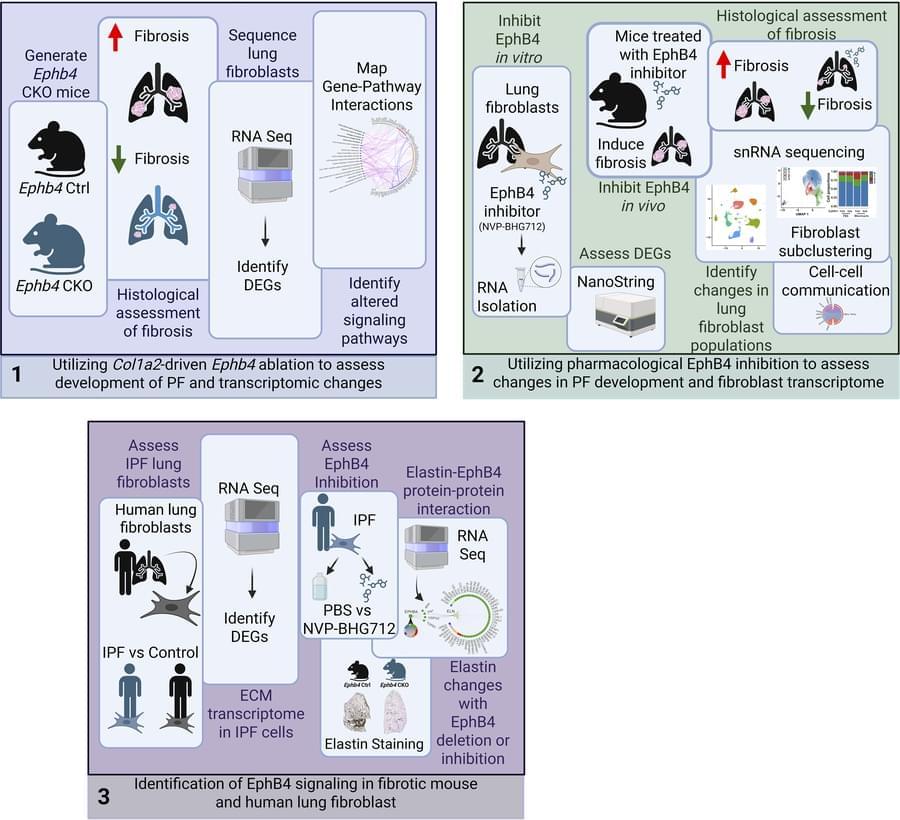
How does the small molecule NVP-BHG712 protect against pulmonary fibrosis in mice?
Mohit Kapoor & team identify EphB4 receptor as a crucial mediator of pulmonary fibrosis that regulates genes involved in ECM organization, ER cargo concentration and protein trafficking in fibroblasts.
4Department of Epidemiology and Biostatistics, Western University, London, Ontario, Canada.
5Department of Biostatistics, University Health Network, Toronto, Ontario, Canada.
6Dalla Lana School of Public Health and Department of Statistical Sciences, University of Toronto, Toronto, Ontario, Canada.
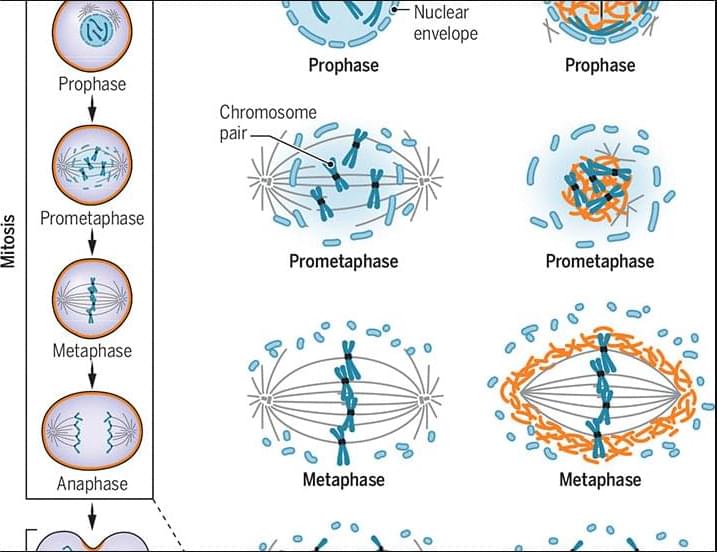
Rewriting the rules of cell division
Findings in Science demonstrate that successful mitosis may draw on more mechanisms than commonly assumed.
Learn more in this Science Perspective.
Microtubules get help from actin filaments during mitosis.
William Bement Authors Info & Affiliations
Science
Vol 388, Issue 6749

Cell type–specific spatiotemporal control of GFP-tagged protein degradation in mice
New: Alexandra Prado-Mantilla, Terry Lechler et al. develop a mouse line to allow cell type–specific, rapid, and reversible degradation of GFP-tagged proteins.
Prado-Mantilla et al. develop a mouse line to allow cell type–specific, rapid, and reversible degradation of GFP-tagged proteins. Using this line, they dem.


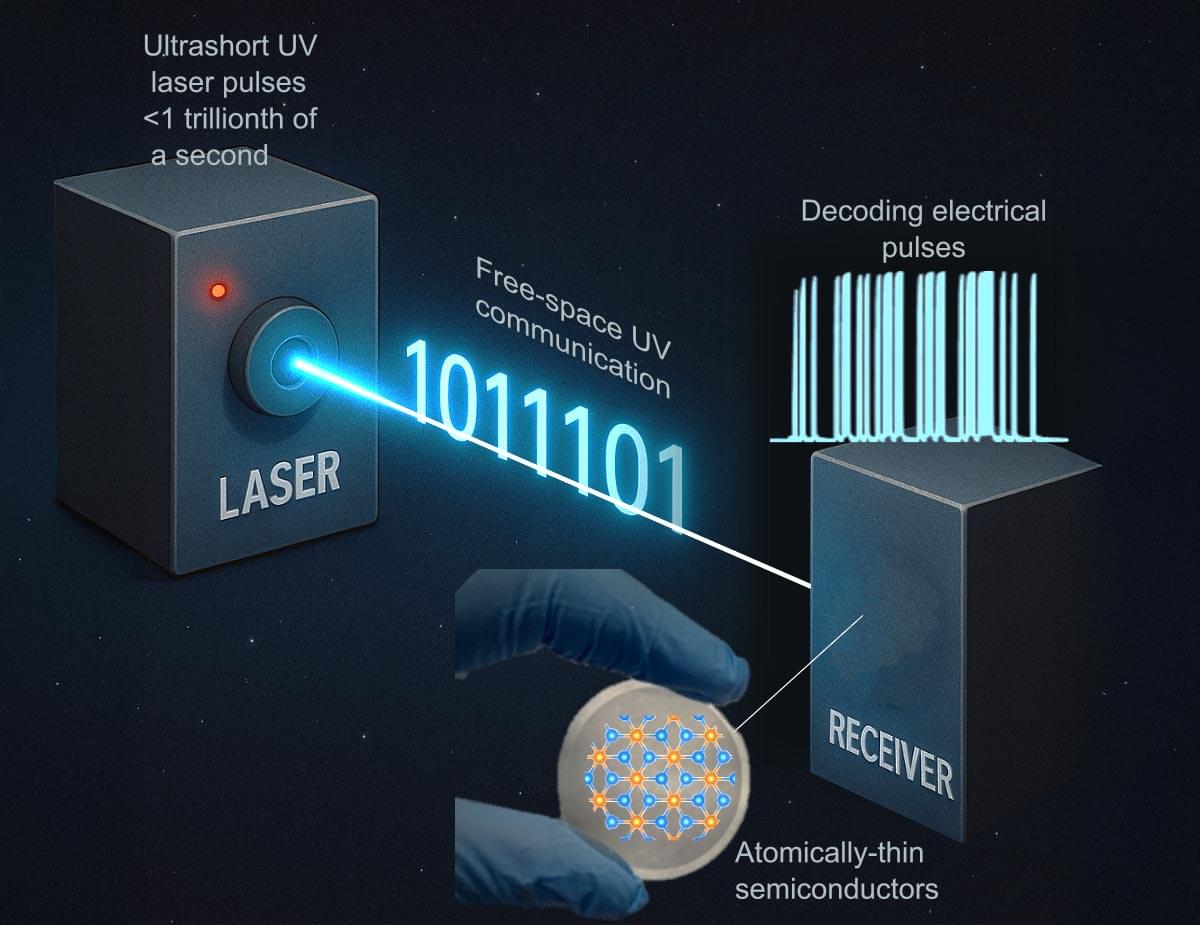
A New UV Laser Sends Messages in Trillionths of a Second
Ultrafast UV-C light just took a leap forward, opening the door to lightning-fast communications and next-generation photonic technologies.
Devices that work with ultraviolet light in the UV-C range (100−280 nm) are becoming increasingly important across many fields, including super-resolution microscopy and optical communications. Scientists are especially interested in UV-C light because it scatters strongly in the atmosphere, a property that makes it useful for non-line-of-sight communication. This means data could be sent even when a clear line of sight is blocked, such as in cluttered or obstructed environments. Despite these advantages, progress has been slow because researchers have lacked practical components that can reliably generate and detect UV-C light.
A new platform for ultrafast UV-C pulses.