How could I expect a source code release by my own forces?
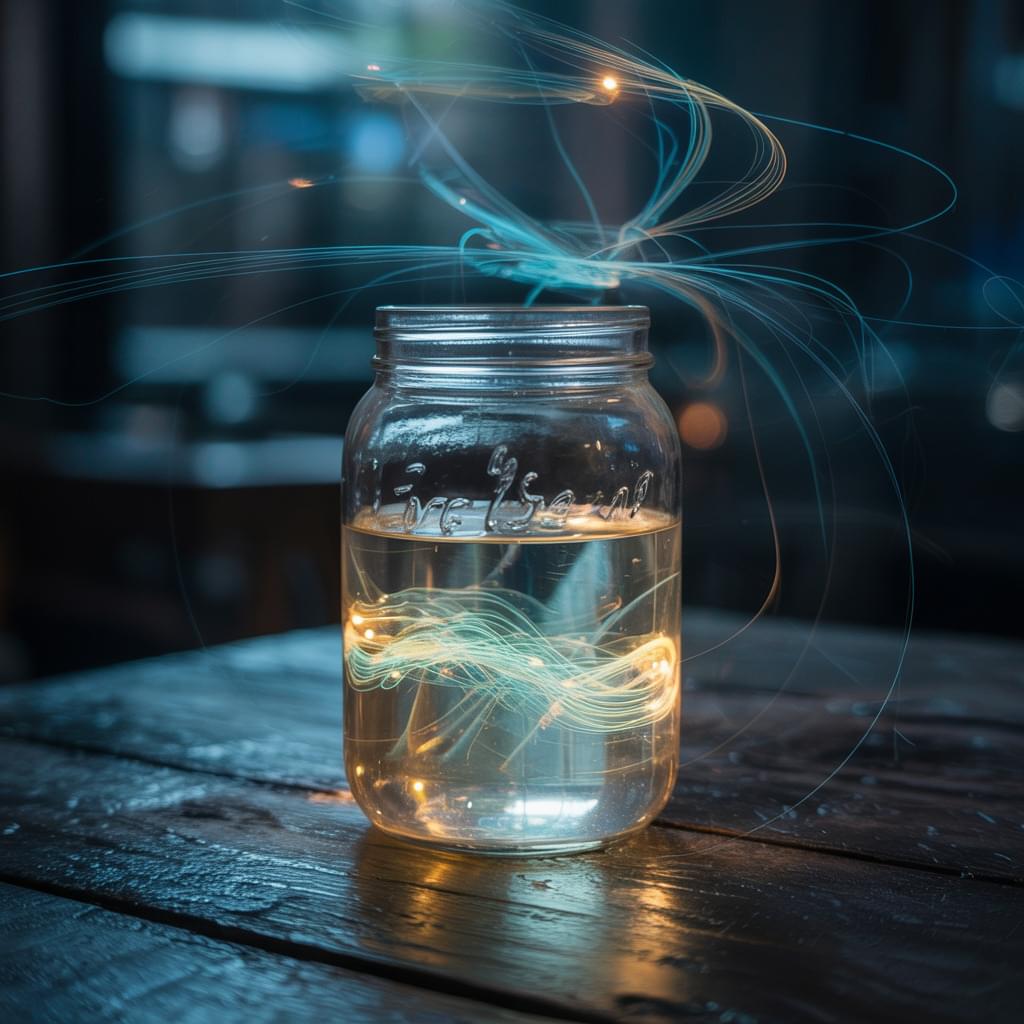
Welcome to a mesmerizing journey through a Blade Runner-inspired dreamscape—a world where neon lights shimmer through the mist, distant echoes whisper forgotten stories, and every moment invites you to drift beyond the boundaries of reality. Step in, let go, and lose yourself in the glow of the future.
Check out the channel for many more videos here:
/ @strangeworldsambience.
And if you’d like to keep the creator fully sharp and focused on his work why not buy him a coffee :
https://ko-fi.com/strangeworldsambience.
FILTER official YouTube channel: / @officialfilter.
LIKE, SUBSCRIBE and be NOTIFIED, to feed creativity and keep the ambient journey alive!
I loved reading about Barrett’s rigorous empirical research on insect sentience, its ethical implications, and how to mitigate insect suffering within industries that make heavy use of these remarkable invertebrates!
(https://80000hours.org/podcast/episodes/meghan-barrett-insec…sentience/)
This is a group of animals I think people are particularly unfamiliar with. They are especially poorly covered in our science curriculum; they are especially poorly understood, because people don’t spend as much time learning about them at museums; and they’re just harder to spend time with in a lot of ways, I think, for people.
Shorts to pass the time.
Second, the crucial point is that there is no such thing as “natural resources.” That term implies that resources are already existing quantities that we merely have to pick up. In reality, resources are services that we derive by combining raw materials with knowledge and purpose. As Simon put it:
“…natural phenomena such as copper and oil and land were not resources until humans discovered their uses and found out how to extract and process them, and thereby made their services available to us. Hence resources are, in the most meaningful sense, created, and when this happens their availability increases and continues to increases as long as our knowledge of how to obtain them increases faster than our use of them, which is the history of all natural resources.” (p.75 footnote)
When people talk about what percentage of world resources are used up by the population of the USA they fail to recognize the creation of resources. Humans have become ever better at creating resources. Consider farmland. Farmland is not a natural resource. It requires tools and work by humans to produce what we want. And metals: Before we knew how to extract and use them, the vast amounts of tin, lead, iron, aluminum and other metals were not resources, they were merely materials. Neither oil nor gas nor petroleum were considered resources until humans saw how to use them to produce value and added our knowledge to turn minerals into resources.
I just saw “Companion” which is set in a world about 20 years in the future and it was the first movie in quite a while that had a solid plot. I find most movies pretty frustrating as they focus on special effects instead of a coherent plot.
The less you know before you see the movie, the better. Avoiding the trailer is recommended.
Companion: Directed by Drew Hancock. With Sophie Thatcher, Jack Quaid, Lukas Gage, Megan Suri. A weekend getaway with friends at a remote cabin turns into chaos after it’s revealed that one of the guests is not what they seem.