
“It’s in development but isn’t nearing release yet.”
Category: futurism – Page 104
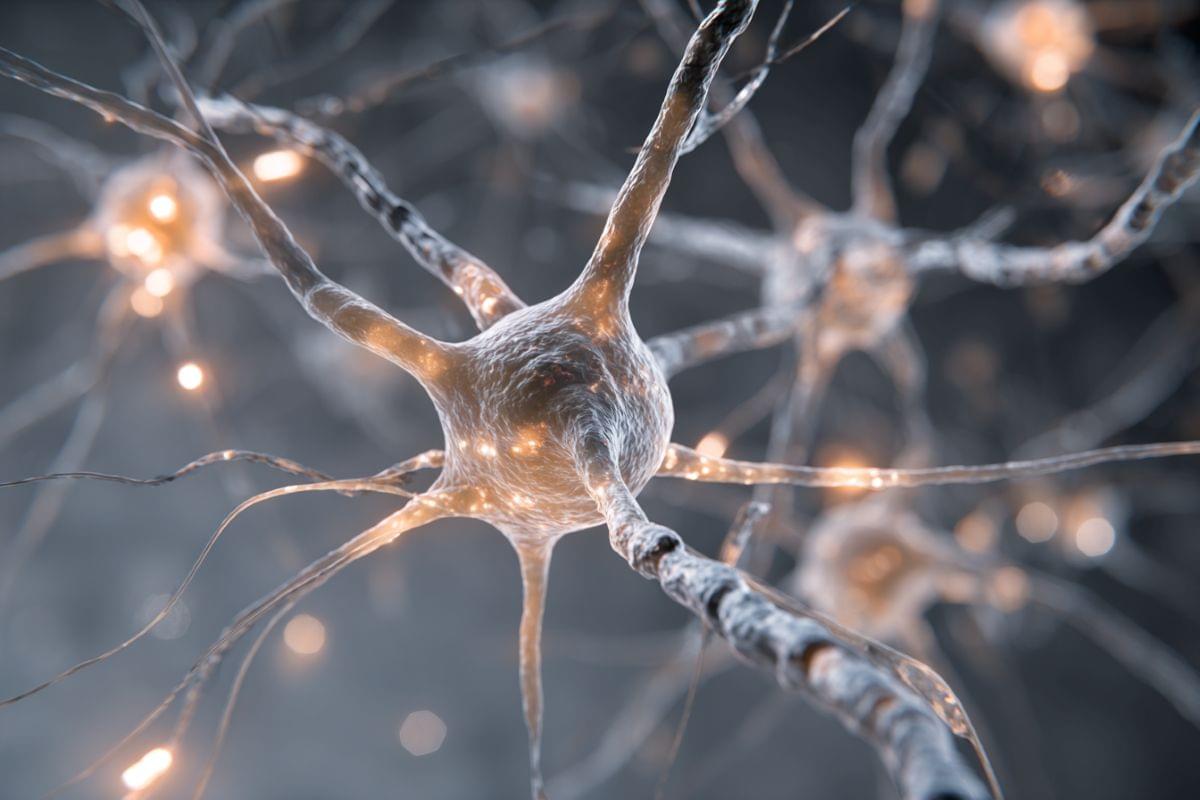
Printable Artificial Neurons That “Talk” to Living Brain Cells
Can artificial neurons talk to the brain? Printable, MoS2-based neurons that trigger responses in living mouse brain tissue.
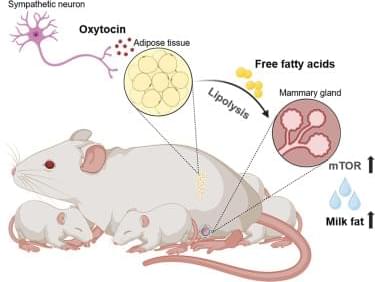
Oxytocin signaling in adipocytes is required for normal milk fat production
Online now: Li et al. show that sympathetic-derived oxytocin drives adipose lipolysis to supply triglycerides essential for neonatal growth during lactation. Adipocyte-specific oxytocin receptor (Oxtr) deletion impairs milk lipid content and offspring growth, revealing a new link between maternal oxytocin signaling in adipocytes, mammary metabolism, and neonatal nutrition.

Microsoft Issues Patches for SharePoint Zero-Day and 168 Other New Vulnerabilities
Microsoft fixes 169 vulnerabilities including exploited SharePoint CVE-2026–32201, prompting CISA remediation by April 28, 2026.
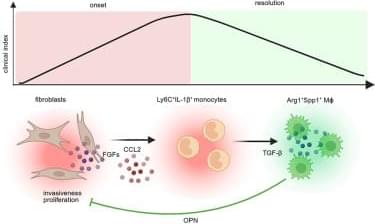
Spatiotemporal molecular profiling of macrophage-fibroblast crosstalk defines checkpoints orchestrating onset and resolution of inflammation
Weishaupt, Chambers, et al. combine single-cell transcriptomic and epigenomic profiling with in vivo models to map the temporal dynamics of macrophage-fibroblast communication during inflammatory arthritis. They show that fibroblasts initiate inflammation, whereas monocyte-derived macrophages undergo transcriptional reprogramming into SPP1+ cells that actively promote resolution by restraining fibroblast pathogenicity.
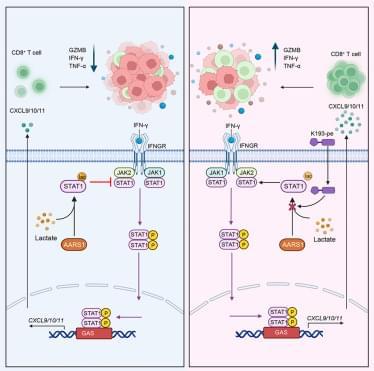
AARS1-mediated lactylation of STAT1 drives immune evasion
Du et al. demonstrate that AARS1-mediated STAT1 K193 lactylation blocks JAK2 binding and STAT1 phosphorylation, which impairs IFN-γ signaling, reducing chemokine expression and promoting immune escape. Inhibition of this modification with the cell-penetrating peptide K193-pe restores IFN-γ responsiveness, enhances CD8+ T cell recruitment, and improves immune checkpoint therapy efficacy.
David Albert — Fallacies of Fine-Tuning
Watch more interviews on fine tuning: https://bit.ly/46ULP5lMake a donation to Closer To Truth to help us continue exploring the world’s deepest questions wi…
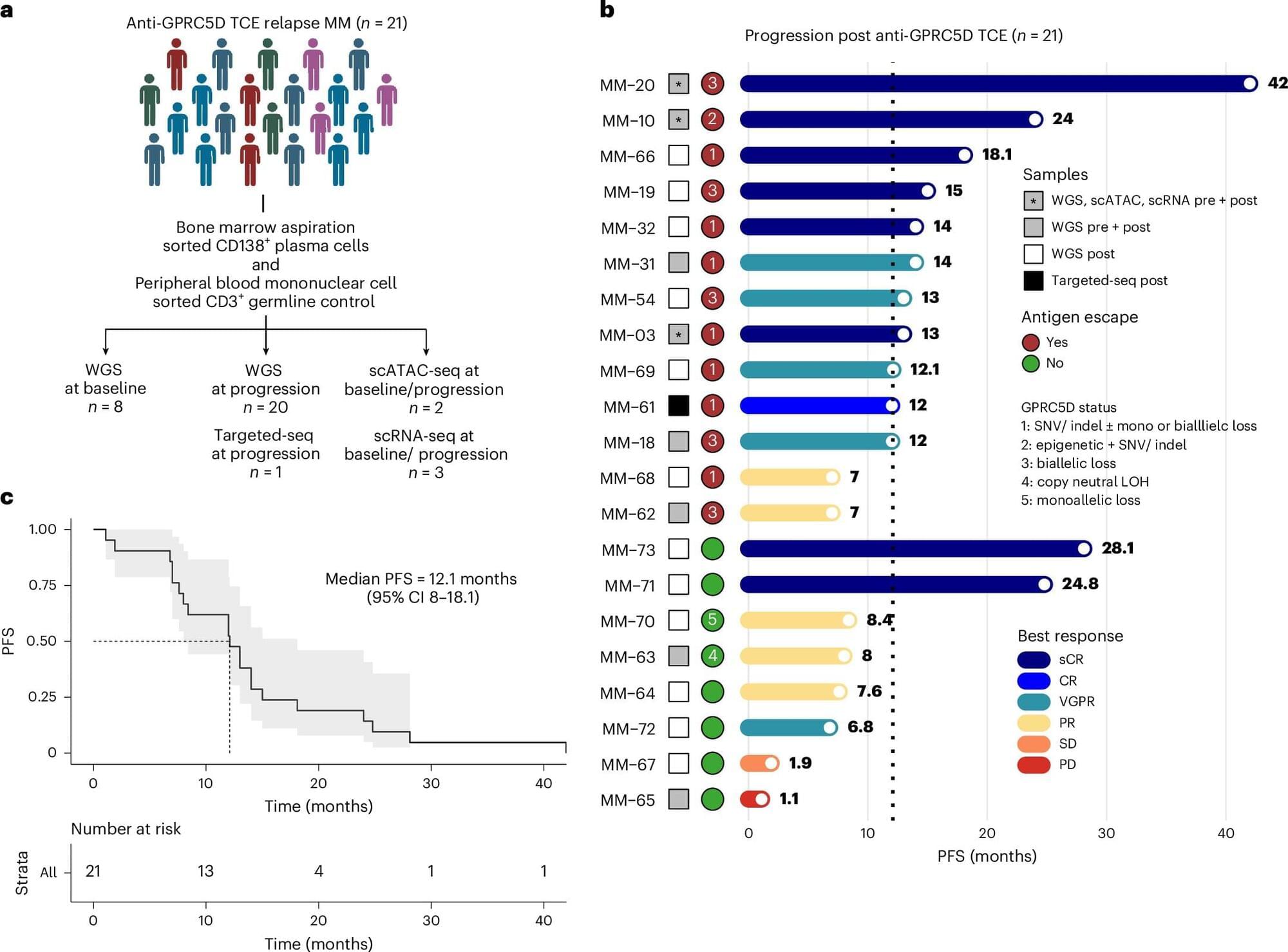
Multiple myeloma cells adapt after immunotherapy, helping explain why many patients relapse
Multiple myeloma is the second most common blood cancer in adults. It starts in the white blood cells that are responsible for creating antibodies that help the body fight infections. Once the myeloma cells begin to multiply, it makes it harder for the blood cells to function properly. There are effective treatments for multiple myeloma, including immunotherapies that can significantly extend survival; however, in some, the cancer cells become treatment resistant.
A University of Calgary study led by members of the Arnie Charbonneau Cancer Institute, published in Nature Medicine, takes a closer look at why patients often relapse after immunotherapy by studying how the myeloma cells adapt to treatment. By understanding how the cancer builds resistance, future treatments can be designed to take this into account with the goal of preventing another relapse.
“Multiple myeloma tumor cells are highly adaptable under therapeutic pressure,” says Dr. Holly Lee, MD, Ph.D., a clinical assistant professor at the Cumming School of Medicine and first author on the study. “A treatment could be incredibly effective, bringing disease bulk down from about 100% to about 1% to 2% but all it took was that one to two percent of the cells that were left to adapt and cause this relapse in patients.”

Geologists Reveal the Americas Collided Earlier Than We Thought
A new geological study reshapes the timeline of a major tectonic collision that helped form the Andes, suggesting key events occurred earlier than long assumed.

20x Difference: Study Reveals True Source of Airborne Microplastics
Microplastics circulate globally through the atmosphere, but their sources may not be what scientists once thought.