In 2026 we will have first application of Yamanaka Factors
in Humans, in human eye. This will open a door to further
development in the field of cellular reprograming, aiming
full body rejuvenation in not so far future.
This is the time to take care of your health and your loved one.
Healthier and longer life is already here.
Category: futurism – Page 101
Director: Rachel Gordon
Video: Tim Malieckal
Script Supervisor: Alex Shipps
Editor: Tim Malieckal.
Ryan Williams’ paper can be found online at this link: https://arxiv.org/abs/2502.
Special Thanks to Avi Wigderson, Ian Mertz and James Cook for their expertise, and Elias Trout @MITMuseumOfficial for providing the vintage floppy disks as critical props for our production!

Scp: gallionic
Check out the Kickstarter page and help us make this project a reality: https://www.kickstarter.com/projects/glnc/scp-gallionic
Our goal is to make a full 20 minute long animated SCP short film, and have been preparing the groundwork for it for over two years now! Finally, we get to share this with the whole world, in the hopes to make this project a reality!
Based on the SCP wiki, licensed under CC BY-SA 4.

Dune Messiah Meaning: The Warning We Keep Ignoring
Too many people misread Dune.
They walked out of Part One and Part Two inspired. Ready to cheer for Paul Atreides. Ready to root for the underdog against the empire.
They saw exactly what Frank Herbert was afraid they would see.
Dune is not about resilience. It is not a hero’s journey. It is not an invitation to find your inner messiah.
According to Herbert himself, Dune is a warning against charismatic leadership — not an example of it.
The liberation movement becomes the next oppressor. The just cause fuses with a messiah myth and stops being just. And the sequels go to places most audiences never expected — and most film fans have never encountered.
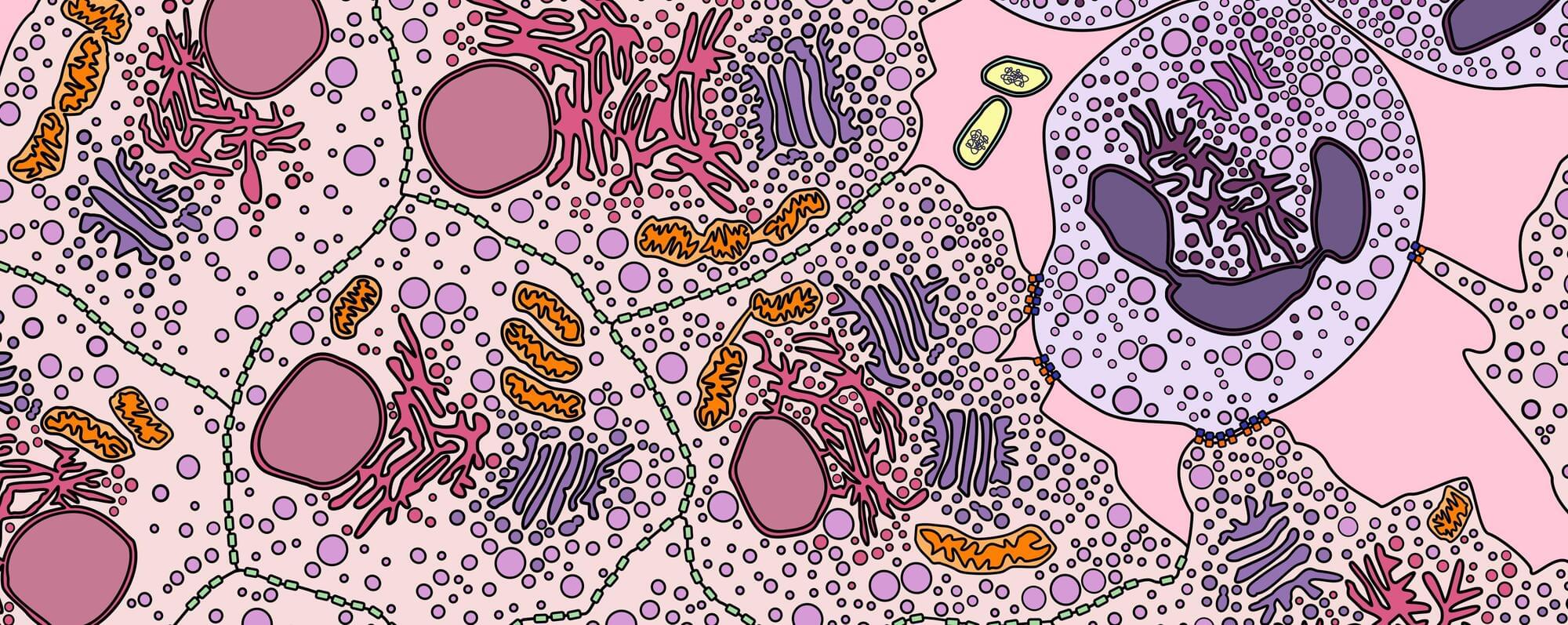
Ca2+-phospholipid-dependent regulation of Munc13-1 is essential for post-tetanic potentiation at mossy fiber synapses and supports working memory
López-Murcia et al. demonstrate that Ca2+-dependent regulation of the vesicle-priming protein Munc13-1 supports synaptic short-term facilitation and post-tetanic potentiation at hippocampal mossy fiber synapses. Disruption of this regulatory mechanism is associated with impaired working memory formation.