
I have added a link to a.cbr file (Comic Book Archive) to download and read on your electronic device if that would be easier for your enjoyment of the story. The Religious Experience of Philip K.
Category: electronics – Page 32
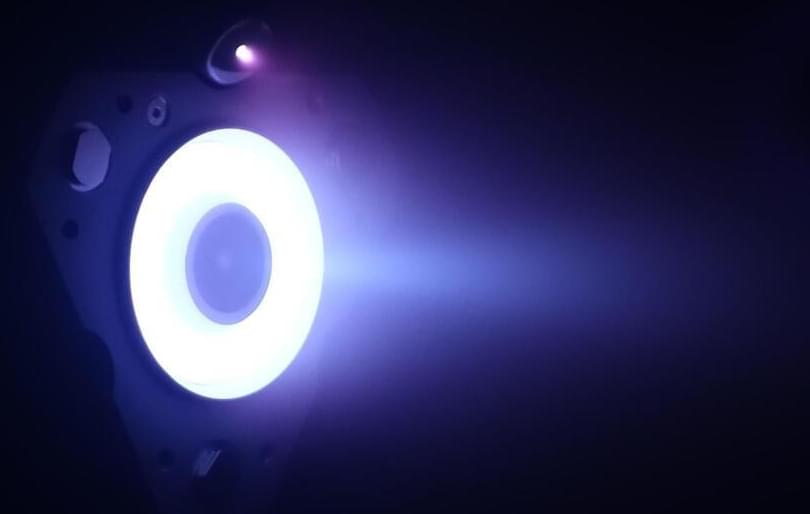
Safran to open electric thruster production line in U.S.
Safran Electronics & Defense will establish a new production line for satellite electric propulsion systems in the United States to serve U.S. customers.
Nanotechnology in Electronics
Nanoelectronics.
This new feature in Nano TV will present the best of science and technology in a short format, which is easy to understand and also appreciate the beauty of scientific knowledge. Catering to all, these shorts will be informative and educative. Explore science, explore Nanotechnology through our latest series called Nano Shorts.
Nanotechnology is the buzz of the world today. Here are some lesser-known facts about this emerging technology:
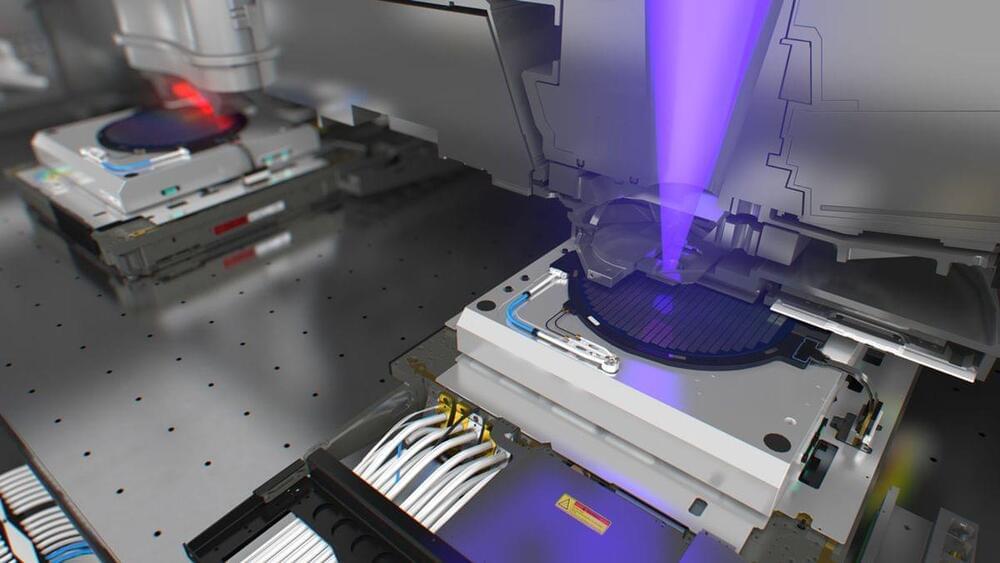
Japanese scientists develop simplified EUV scanner that can make production of chips considerably cheaper
OIST’s simplified EUV litho system uses two mirrors instead of six.

A new ‘guest star’ will appear in the sky in 2024 − a space scientist explains how nova events work and where to look
Your favorite TV show isn’t the only place where guest stars might appear. Keep an eye on the sky for the second half of 2024 and you might be able to witness a rare astronomical event.

US creates light-based tech to stabilize hypersonic jet engines
A new NASA-funded study has revealed for the first time that the airflow in supersonic combusting jet engines can be controlled by an optical sensor.
The finding can lead to more efficient stabilization of hypersonic jet aircraft, according to the study carried out by the researchers at the University of Virginia, School of Engineering and Applied Science.
The research allows operators to control airflow at the speed of light when a ‘shock train’ occurs. A shock train is a condition that precedes engine failure within a scramjet engine.
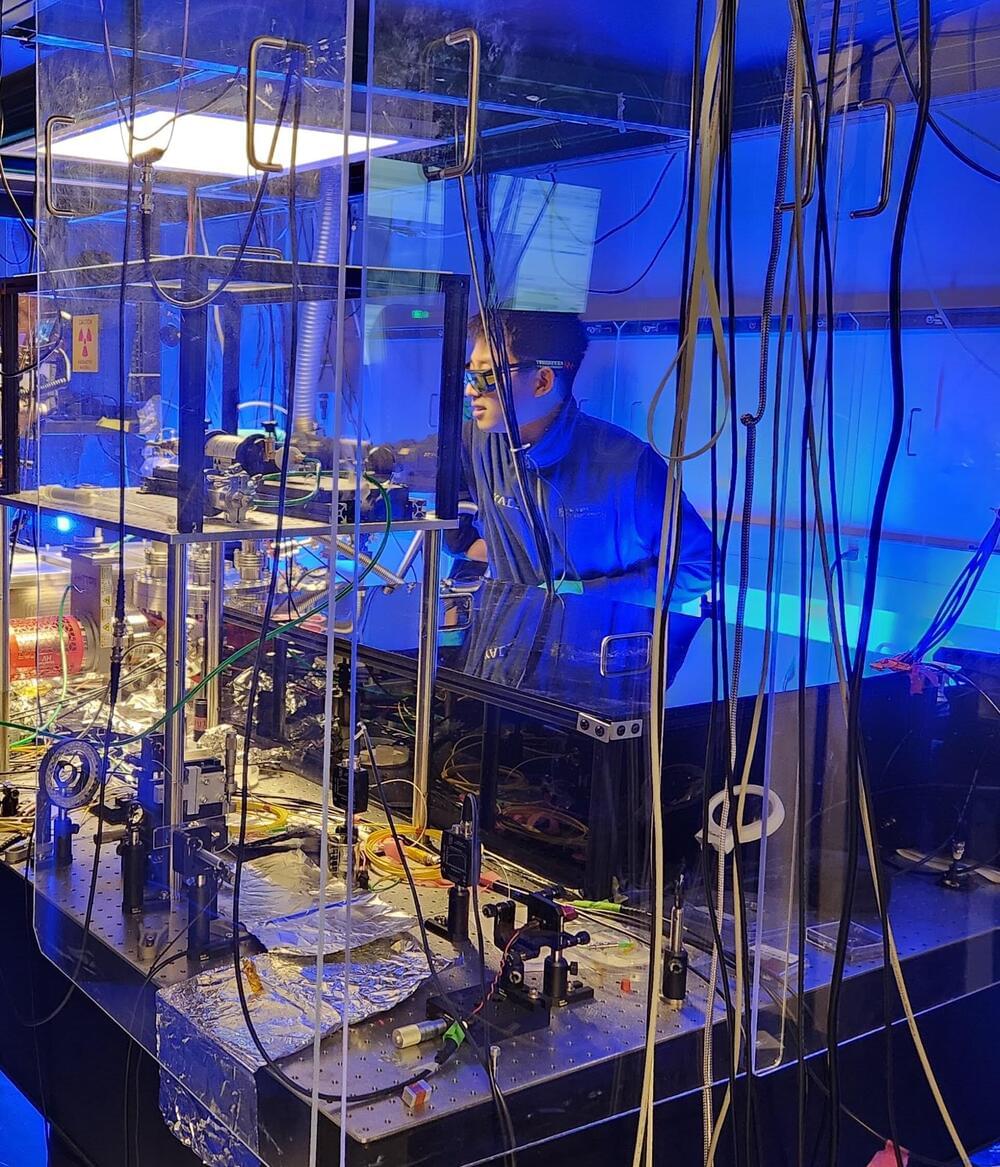
Physicists introduce method for mechanical detection of individual nuclear decays
In recent years, physicists and engineers have developed increasingly sophisticated instruments to study particles and the interactions between them with high precision. These instruments, which include particle detectors, sensors and accelerometers, could help researchers to study physical processes in greater detail, potentially contributing to interesting new discoveries.
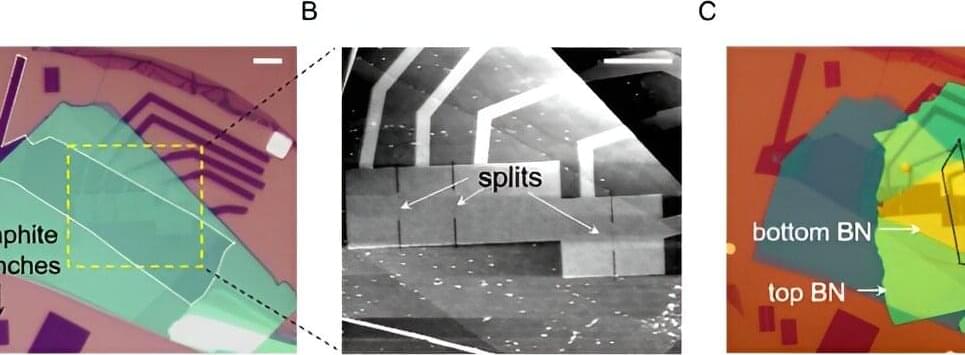
‘Kink state’ control may provide pathway to quantum electronics
The key to developing quantum electronics may have a few kinks. According to a team led by researchers at Penn State, that’s not a bad thing when it comes to the precise control needed to fabricate and operate such devices, including advanced sensors and lasers.
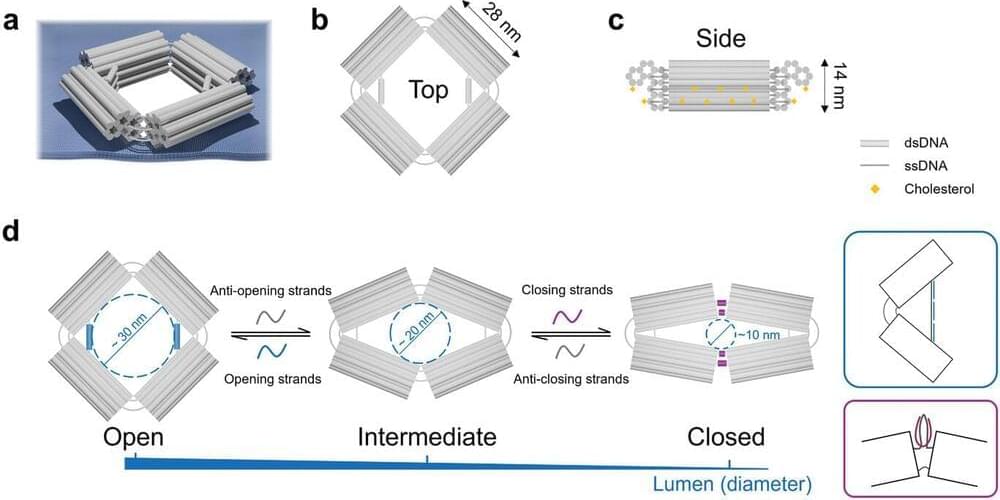
DNA nanopores with adjustable sizes enable precise control of molecular transport
Researchers create DNA-based nanopores that switch between three sizes, allowing selective molecule transport across membranes for potential drug delivery and biosensing applications.
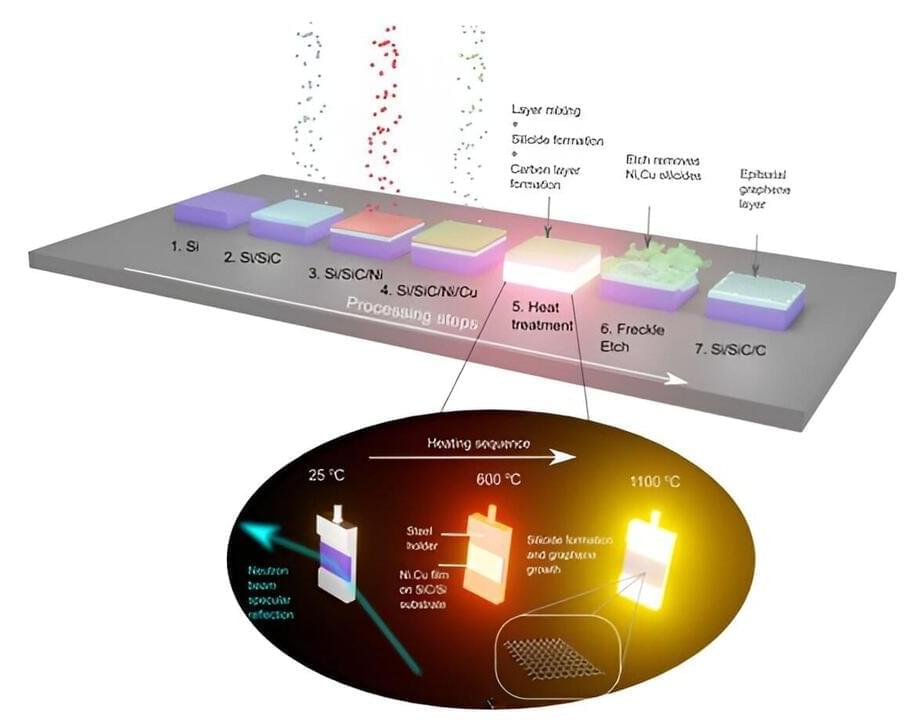
A Possible World Record: Studying Thin Films Under Extreme Temperatures with Reflectometry
A team of researchers from ANSTO and University of Technology Sydney have set a record by conducting thin film experiments at 1,100 degrees Celsius, using the Spatz reflectometer equipped with a vacuum furnace.
The unique combination of neutron reflectometry with high temperature apparatus enables atomic-scale insights into thin film growth and diffusion processes. This is of relevance to a wide range of thin film technology and devices which undergo a range of processing and heat treatment conditions to optimize performance.
The UTS group, led by Francesca Iacopi and Aiswarya Pradeepkumar, has been studying the growth of thin carbon sheets (graphene) on SiC/Si substrates which occurs at high temperatures. This award-winning process allows for highly conductive electronics that can be integrated with standard silicon fabrication processes.