
New TELEPUZ malware spreads through ClickFix, then steals browser cookies, logs keystrokes, runs commands, and installs itself as a Windows service.
Category: cybercrime/malcode – Page 26
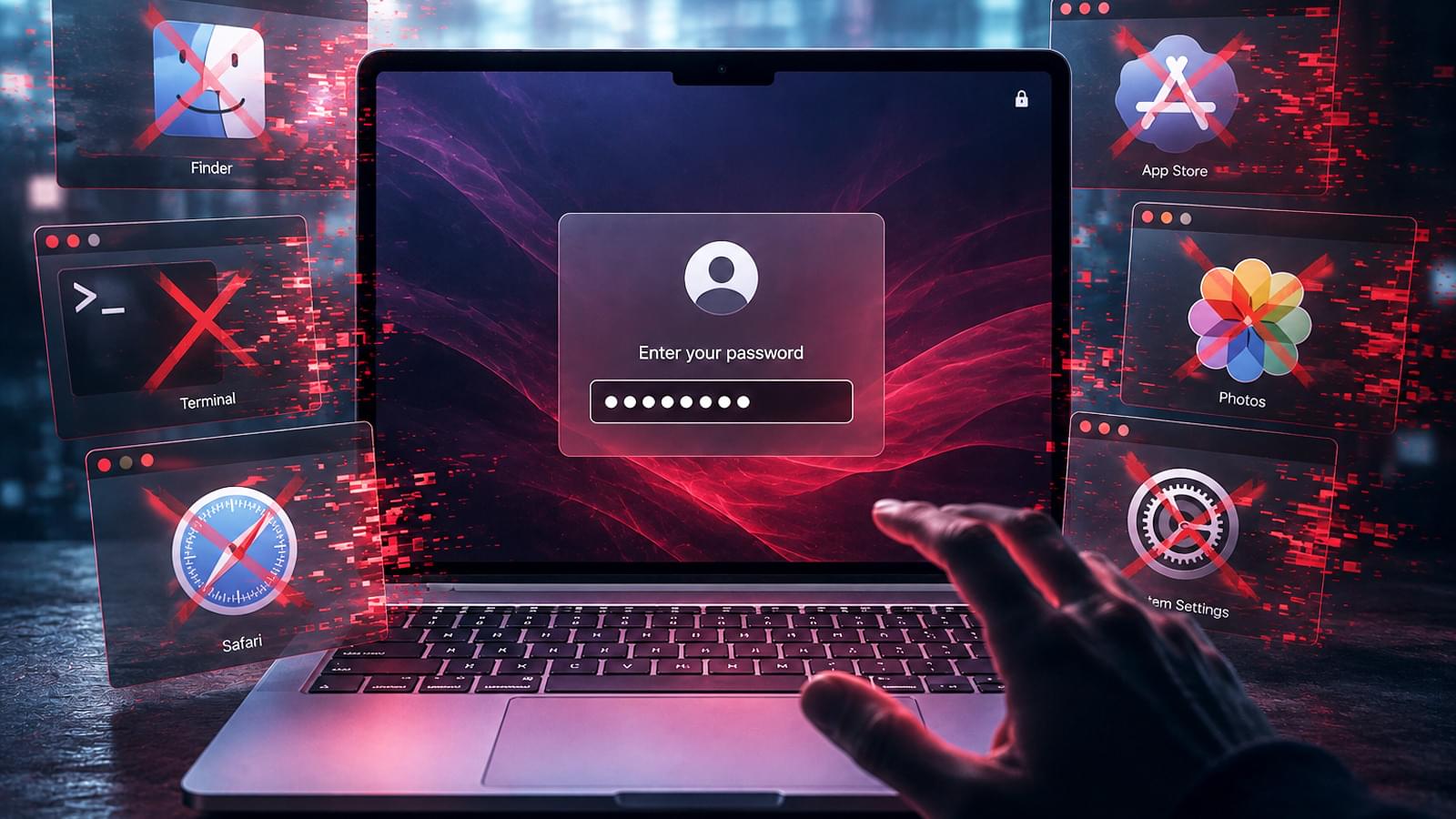
New ClickLock macOS malware traps users into revealing login password
A new macOS information-stealing malware dubbed ClickLock terminates all visible processes to force users into entering their system login password.
The malware is designed to steal cryptocurrency assets, login credentials, password-manager data, browser information, and macOS authentication data, and it can also install a persistent backdoor for ongoing remote access to infected systems.
Researchers at Group-IB analyzed the ClickLock shell script after discovering the malware on VirusTotal, where it was first submitted on June 9. At the time of the report, it remained undetected by all security vendors available on the platform.
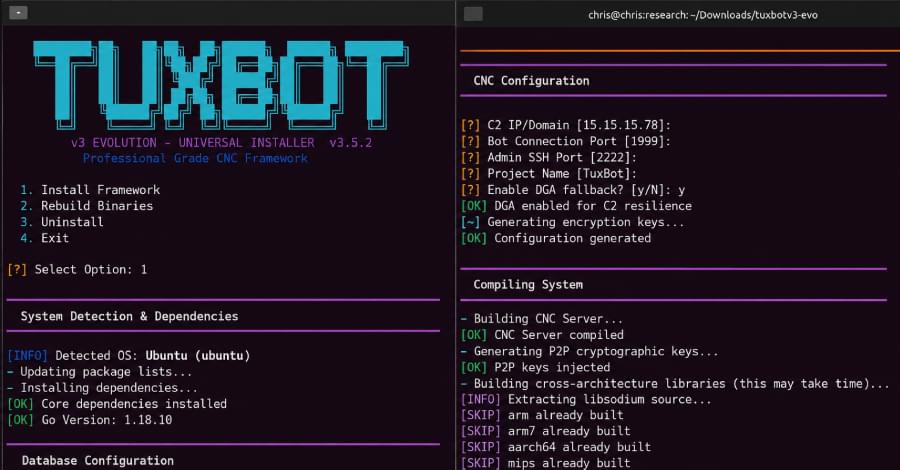
TuxBot v3 Evolution Shows Signs of LLMAssisted IoT Botnet Development
Cybersecurity researchers have disclosed details of a previously unreported Internet-of-Things (IoT) botnet framework dubbed TuxBot v3 Evolution that shows signs of being developed with assistance from a large language model (LLM), albeit with not so successful results.
“While the AI complied with their request to generate botnet code, it included a safety disclaimer that the developer failed to remove before shipping,” Palo Alto Networks Unit 42 said. “Although the LLM clearly aided in constructing the botnet, several functions in the analyzed samples failed to work correctly.”
The cybersecurity company said a manual code review would have resolved these errors and that it’s possible more polished iterations of the malware exist out there in the wild.
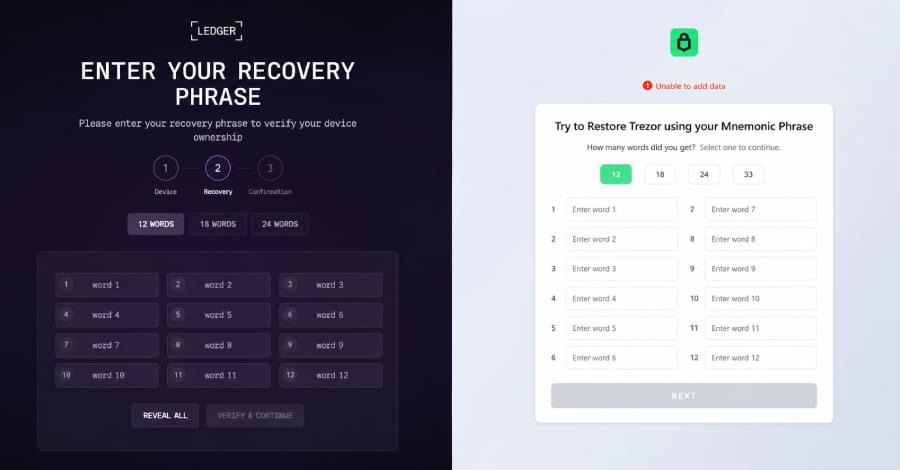
OkoBot Malware Framework Injects Seed Phrase Phishing Into Ledger and Trezor Apps
OkoBot injects recovery phrase lures into Ledger and Trezor apps, targeting hundreds of Windows users across more than 25 countries.

Firefox, Chrome, Adobe, and VMware Updates Fix Multiple Critical Security Flaws
Mozilla fixes two critical Firefox flaws with public exploit code as Google, Adobe, and Broadcom patch Chrome, ColdFusion, and VMware security bugs.

AsyncAPI npm packages infected with credential-stealing malware
Five malicious versions of AsyncAPI packages were published to the Node Package Manager (npm) in a supply-chain attack that delivered a remote access trojan with info-stealing capabilities.
The threat actor exploited a misconfigured GitHub Actions workflow and pushed trojanized packages in the @asyncapi namespace that had a cummulative weekly download count of more than 2.25 million.
Multiple security companies confirmed that on July 14, an attacker compromised two AsyncAPI GitHub repositories and injected malware into project files.

Google Gemini CLI abused as a hacking agent, malware botnet operator
A Russian-speaking threat actor known as “bandcampro” used Google’s open-source Gemini CLI AI tool as a hacking agent and to operate a small-scale botnet.
The AI agent responded to the attacker’s prompts, troubleshooting problems on the fly and even proposing operational improvements at least 59 times.
In more than 200 sessions between May 19 and April 21, the threat actor worked with the AI tool to deploy and operate an infrastructure that controlled eight systems in a dental clinic and to get access to the OpenDental database.
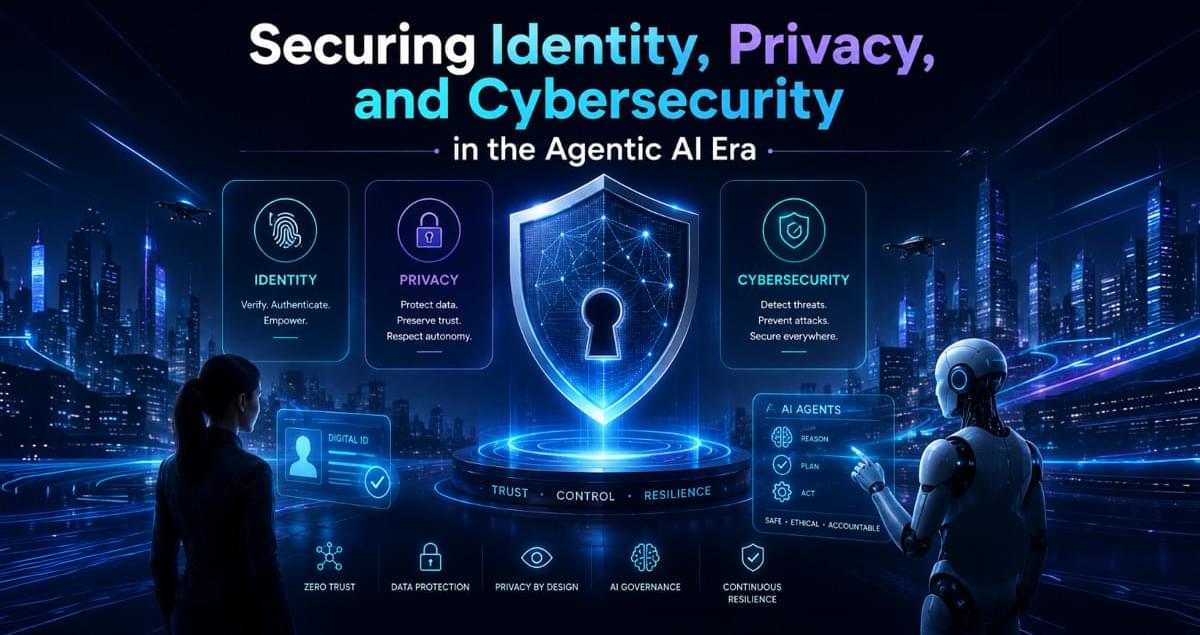
Identity, Privacy, and Cybersecurity Are Pillars of the Agentic Future (Part 2)
It is evident everywhere that artificial intelligence is certainly evolving. We are rapidly moving from chatbots and copilots to AI agents that can make decisions, execute transactions, generate software, analyze intelligence, negotiate with other systems, and perform tasks that previously required human discernment.
This development is one of the biggest computing advances since the Internet. It’s also one of the biggest cybersecurity challenges for businesses. As I have stressed in my writings and speeches for years that each technology advance expands opportunity and attacks the surface. AI agents demonstrate this.
Unlike traditional software, AI agents are autonomous. They remember, reason, use apps, access secret data, perform APIs, and adapt to changing conditions. They are now active enterprise participants. That changes all cybersecurity. AI Agents Are New Digital Identities. The cybersecurity industry has protected people, devices, apps, and networks for decades. Now we must protect digital workers.
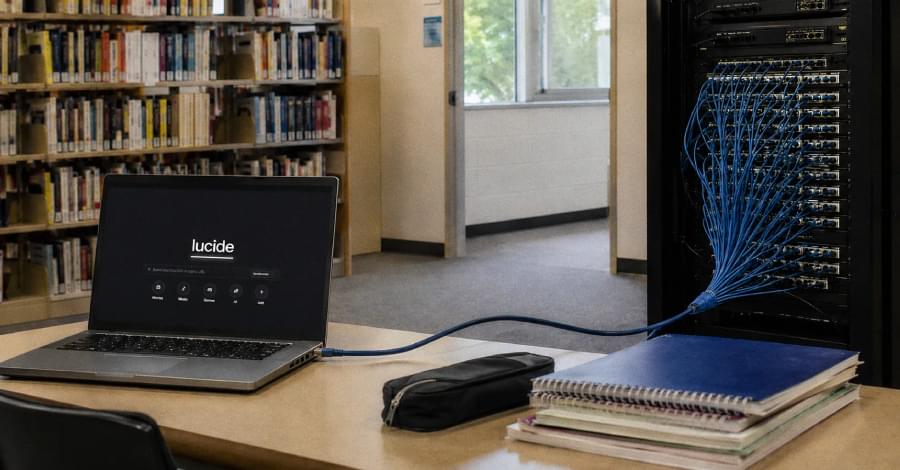
148 npm Packages Disguised as Student Proxies Turned Browsers Into a DDoS Botnet
JFrog finds 148 npm proxy packages turned student browsers into a DDoS botnet, while a mutable loader lets operators re-arm it without updates.

11 Old MicrosoftSigned Linux UEFI Shims Could Let Attackers Bypass Secure Boot
Cybersecurity researchers have discovered 11 old, Microsoft-signed, Unified Extensible Firmware Interface (UEFI) applications that could be abused to bypass Secure Boot on most systems using the modern firmware standard.
“An attacker exploiting one of these vulnerable applications can execute untrusted code during system boot, enabling deployment of malicious UEFI bootkits or other malware,” ESET researcher Martin Smolár said in a report published today.
The UEFI shim bootloaders expose any UEFI-based machine that trusts Microsoft’s “Microsoft Corporation UEFI CA 2011” third-party UEFI certificate authority (CA) certificate, irrespective of the installed operating system. The certificate is used to sign third-party boot components intended to run under Secure Boot. It expired as of June 27, 2026, and has been replaced by Microsoft UEFI CA 2023 and Microsoft Option ROM UEFI CA 2023.