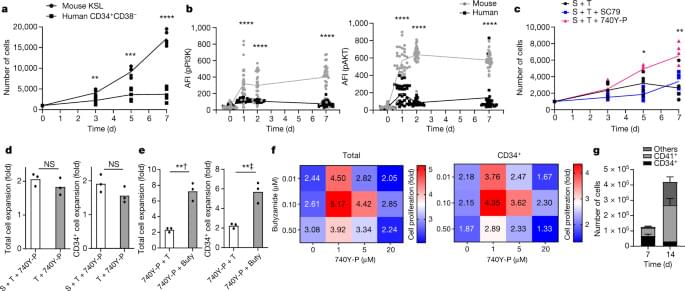
A culture system allows the long-term expansion of human haematopoietic stem cells (HSCs) in vivo without the use of recombinant cytokines or albumin, with potential applications for clinical therapies involving HSCs.
Every minute of every day, your body is physically reacting, literally changing, in response to the thoughts that run through your mind.
It’s been proven over and over again that just thinking about something causes your brain to release neurotransmitters, chemical messengers that allow it to communicate with parts of itself and your nervous system. Neurotransmitters control virtually all of your body’s functions, from hormones to digestion to feeling happy, sad, or stressed.
Studies have shown that thoughts alone can improve vision, fitness, and strength. The placebo effect, as observed with fake operations and sham drugs, for example, works because of the power of thought. Expectancies and learned associations have been shown to change brain chemistry and circuitry which results in real physiological and cognitive outcomes, such as less fatigue, lower immune system reaction, elevated hormone levels, and reduced anxiety.

Cancer is not a uniform disease. Rather, cancer is a disease of phenotypic plasticity, meaning tumor cells can change from one form or function to another. This includes reverting to less mature states and losing their normal function, which can result in treatment resistance, or changing their cell type altogether, which facilitates metastasis.
In addition to direct changes in your DNA in cancer, a key driver of cancer progression is where and when your DNA is activated. If your DNA contains the “words” that spell out individual genes, then epigenetics is the “grammar” of your genome, telling those genes whether they should be turned on or off in a given tissue. Even though all tissues in the body have almost exactly the same DNA sequence, they can all carry out different functions because of chemical and structural modifications that change which genes are activated and how. This “epigenome” can be influenced by environmental exposures such as diet, adding a dimension to how researchers understand drivers of health beyond the DNA code inherited from your parents.
I’m a cancer researcher, and my laboratory at Johns Hopkins University studies how the differences among normal tissues are controlled by an epigenetic code, and how this code is disrupted in cancer. In our recently published review, colleague Andre Levchenko at Yale University and I describe a new approach to understanding cancer plasticity by combining epigenetics with mathematics. Specifically, we propose how the concept of stochasticity can shed light on why cancers metastasize and become resistant to treatments.
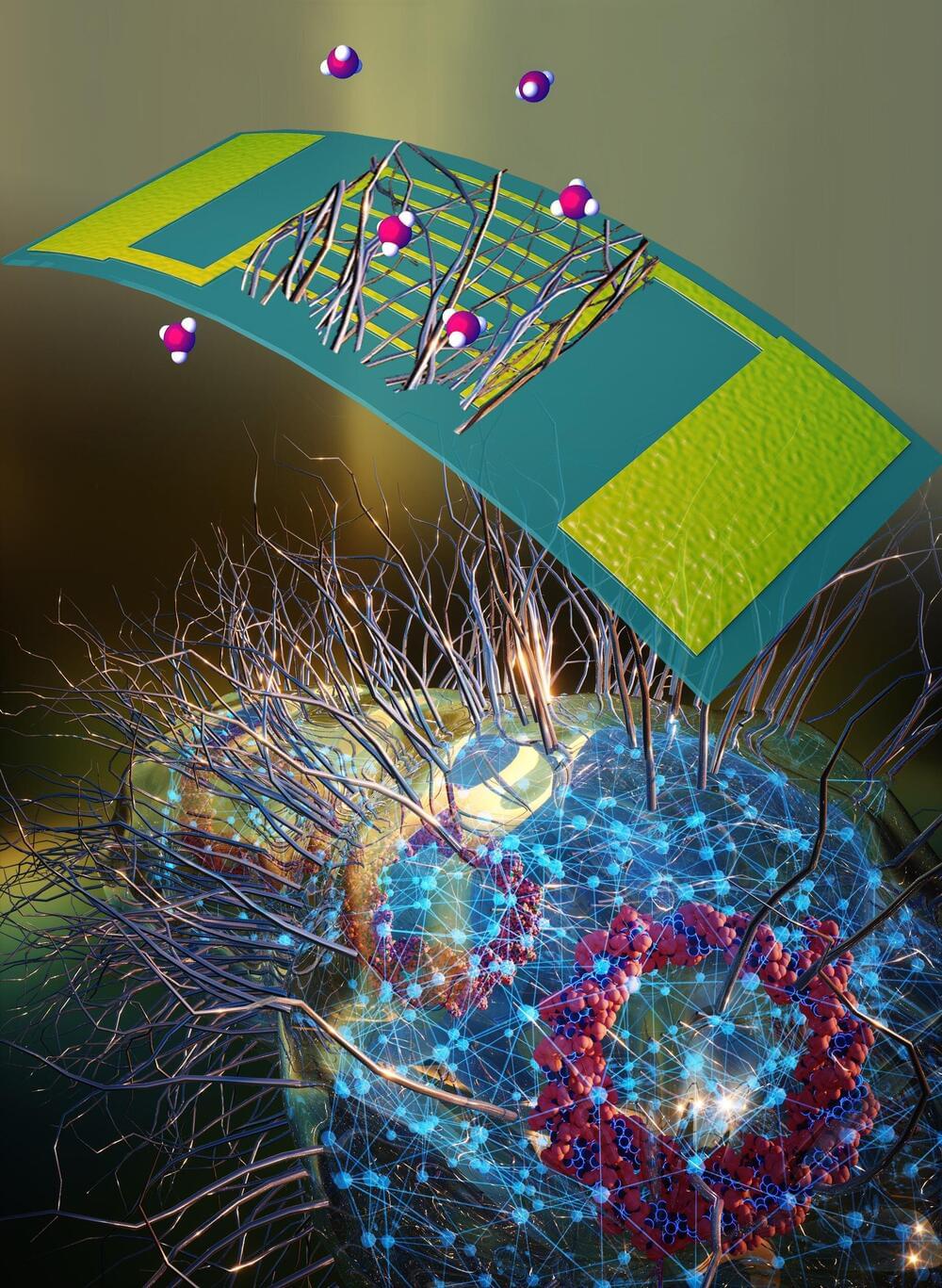
Scientists at the University of Massachusetts Amherst recently announced the invention of a nanowire, 10,000 times thinner than a human hair, which can be cheaply grown by common bacteria and can be tuned to “smell” a vast array of chemical tracers—including those given off by people afflicted with different medical conditions, such as asthma and kidney disease.
Thousands of these specially tuned wires, each sniffing out a different chemical, can be layered onto tiny, wearable sensors, allowing health-care providers an unprecedented tool for monitoring potential health complications. Since these wires are grown by bacteria, they are organic, biodegradable and far greener than any inorganic nanowire.
To make these breakthroughs, which were detailed in the journal Biosensors and Bioelectrics, senior authors Derek Lovley, Distinguished Professor of Microbiology at UMass Amherst, and Jun Yao, professor of electrical and computer engineering in the College of Engineering at UMass Amherst, needed to look no farther than their own noses.

For the first time, scientists have used machine learning to create brand-new enzymes, which are proteins that accelerate chemical reactions. This is an important step in the field of protein design, as new enzymes could have many uses across medicine and industrial manufacturing.
“Living organisms are remarkable chemists. Rather than relying on toxic compounds or extreme heat, they use enzymes to break down or build up whatever they need under gentle conditions. New enzymes could put renewable chemicals and biofuels within reach,” said senior author David Baker, professor of biochemistry at the University of Washington School of Medicine and recipient of the 2021 Breakthrough Prize in Life Sciences.
As reported Feb, 22 in the journal Nature, a team based at the Institute for Protein Design at UW Medicine devised machine-learning algorithms that can create light-emitting enzymes called luciferases. Laboratory testing confirmed that the new enzymes can recognize specific chemicals and emit light very efficiently. This project was led by two postdoctoral scholars in the Baker Lab, Andy Hsien-Wei Yeh and Christoffer Norn.
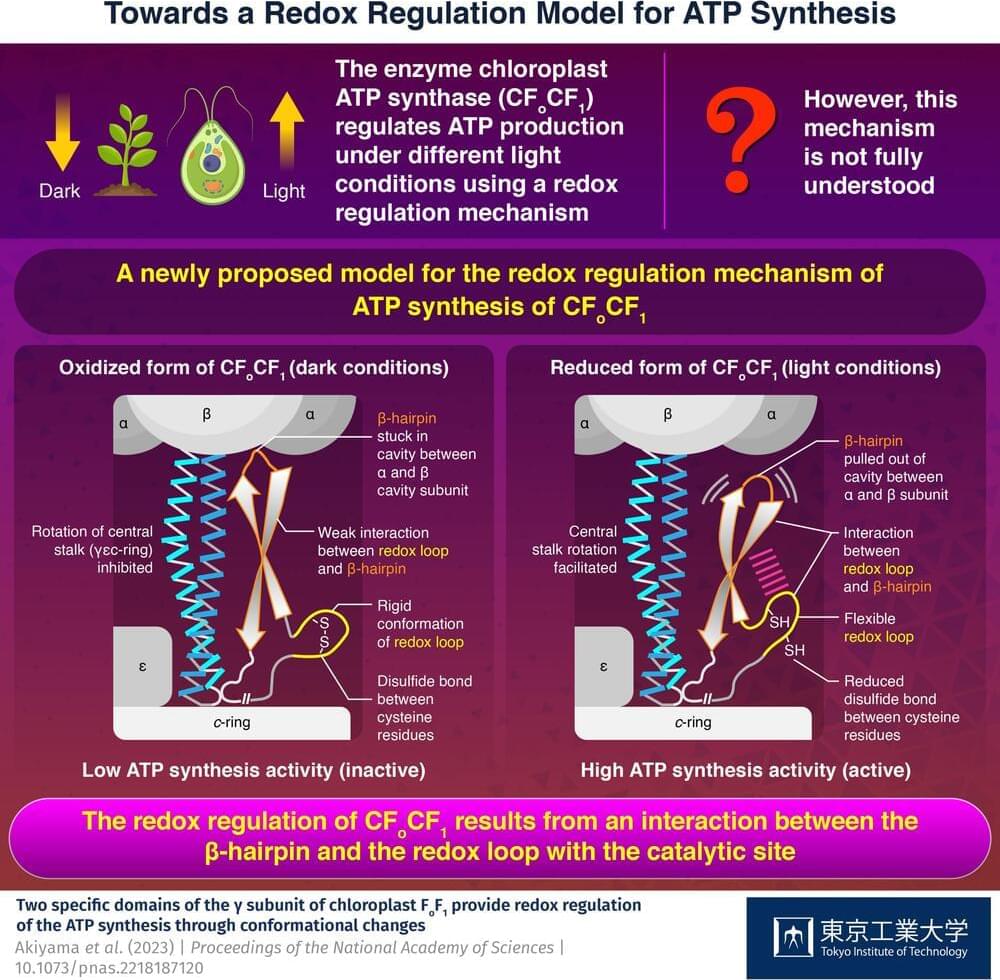
ATP, the compound essential for the functioning of photosynthetic organisms such as plants, algae, and cyanobacteria, is produced by an enzyme called “chloroplast ATP synthase” (CFoCF1). To control ATP production under varying light conditions, the enzyme uses a redox regulatory mechanism that modifies the ATP synthesis activity in response to changes in the redox state of cysteine (Cys) residues, which exist as dithiols under reducing (light) conditions, but forms a disulfide bond under oxidizing (dark) conditions. However, this mechanism has not yet been fully understood.
Now, in a study published in the Proceedings of the National Academy of Sciences, a team of researchers from Japan led by Prof. Toru Hisabori from Tokyo Institute of Technology (Tokyo Tech) has uncovered the role of the amino acid sequences present in CFoCF1, revealing how the enzyme regulates ATP production in photosynthetic organisms.
To understand how the conformation of the amino acids present in CFoCF1 contributes to the redox regulation mechanism, the researchers used the unicellular green alga, Chlamydomonas reinhardtii, to produce the enzyme. “By leveraging the powerful genetics of Chlamydomonas reinhardtii as a model organism for photosynthesis, we conducted a comprehensive biochemical analysis of the CFoCF1 molecule,” explains Prof. Hisabori.
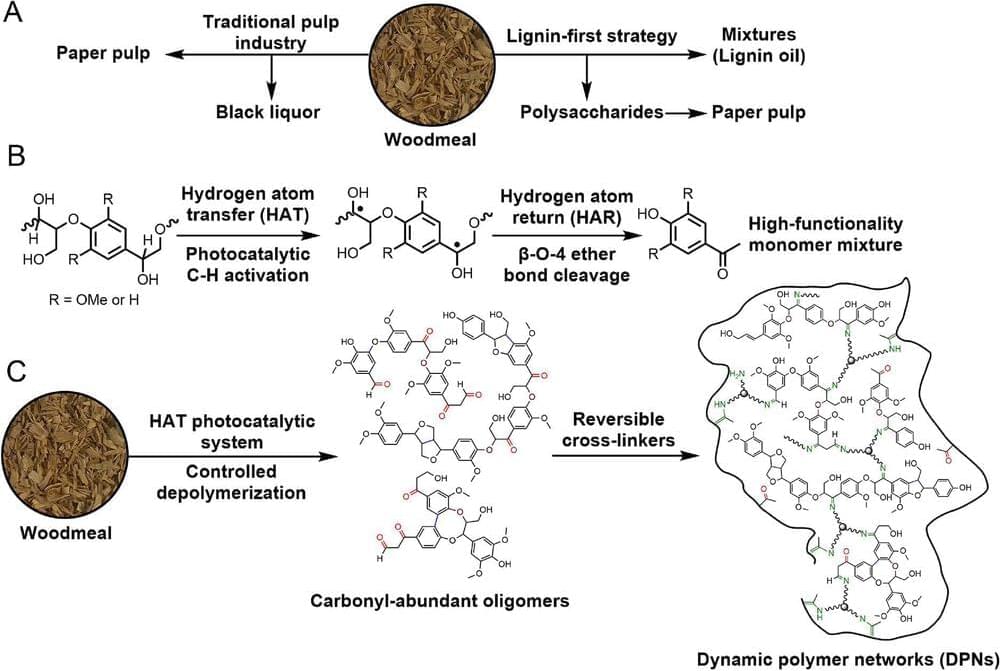
Lignin is arguably the most abundant component of biomass that most people have never heard of. That may be about to change.
Many people are familiar with its biochemical cousin cellulose, a byproduct of paper and wood milling. But the same processes produce 50 million tons of lignin annually, industry experts estimate. Once distilled, 98 percent of the inky liquid is burned to produce electricity.
Scientists have been working to find more efficient and sustainable approaches to transform this naturally occurring polymer for use as a cleaner and greener building block to develop next generation materials.
In modern electronics, a large amount of heat is produced as waste during usage—this is why devices such as laptops and mobile phones become warm during use, and require cooling solutions. In the last decade, the concept of managing this heat using electricity has been tested, leading to the development of electrochemical thermal transistors—devices that can be used to control heat flow with electrical signals.
Currently, liquid-state thermal transistors are in use, but have critical limitations: chiefly, any leakage causes the device to stop working.
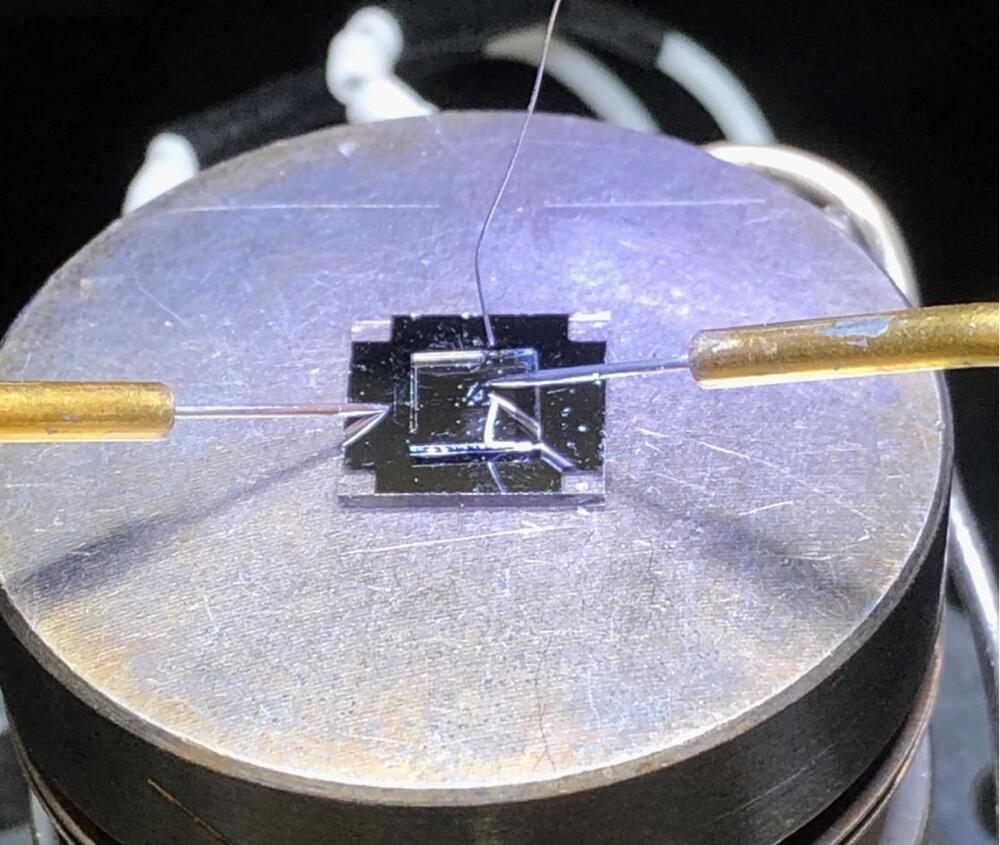
A research team at Hokkaido University lead by Professor Hiromichi Ohta at the Research Institute for Electronic science has developed the first solid-state electrochemical thermal transistor. Their invention, described in the journal Advanced Functional Materials, is much more stable than and just as effective as current liquid-state thermal transistors.
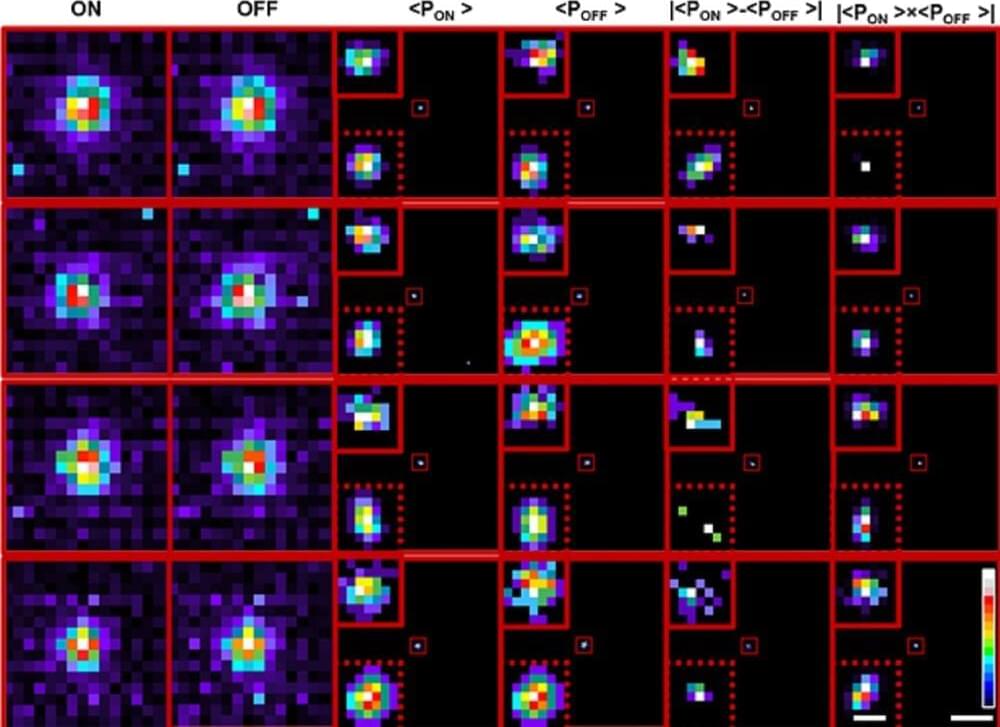
In a new study, researchers at the Indian Institute of Science (IISc) show how a brain-inspired image sensor can go beyond the diffraction limit of light to detect miniscule objects such as cellular components or nanoparticles invisible to current microscopes. Their novel technique, which combines optical microscopy with a neuromorphic camera and machine learning algorithms, presents a major step forward in pinpointing objects smaller than 50 nanometers in size. The results are published in Nature Nanotechnology.
Since the invention of optical microscopes, scientists have strived to surpass a barrier called the diffraction limit, which means that the microscope cannot distinguish between two objects if they are smaller than a certain size (typically 200–300 nanometers).
Their efforts have largely focused on either modifying the molecules being imaged, or developing better illumination strategies—some of which led to the 2014 Nobel Prize in Chemistry. “But very few have actually tried to use the detector itself to try and surpass this detection limit,” says Deepak Nair, Associate Professor at the Center for Neuroscience (CNS), IISc, and corresponding author of the study.