
A new study reveals how CRISPR gene editing could potentially eradicate Down syndrome.
Category: biotech/medical – Page 777

‘Junk DNA’ is not actually junk, it’s found to play a powerful role in the human body
Scientists discovered that ancient viral DNA sequences called MER11, once dismissed as genetic junk, actually act as important gene switches.

Undruggable ‘disordered’ proteins become druggable with new AI techniques from David Baker
In a new study, Nobel laureate David Baker and colleagues detail new methods for targeting undruggable “disordered” proteins.
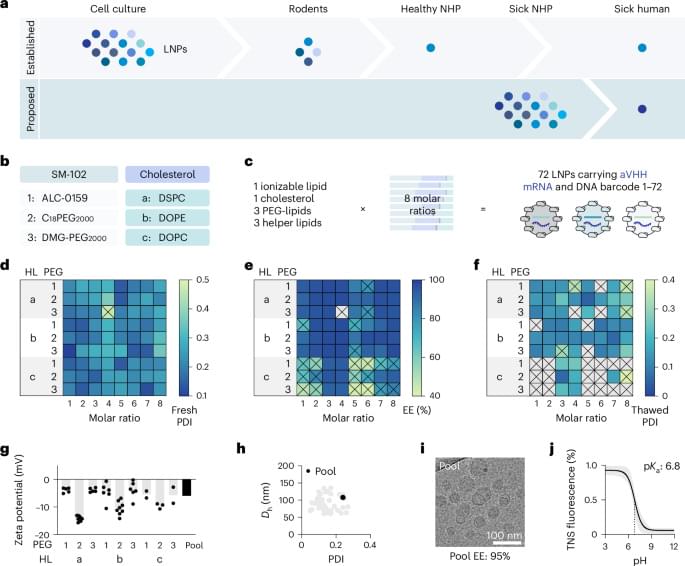
Lipid nanoparticle screening in nonhuman primates with minimal loss of life
End-of-life nonhuman primates can be used to screen pools of lipid nanoparticles for clinical safety studies.
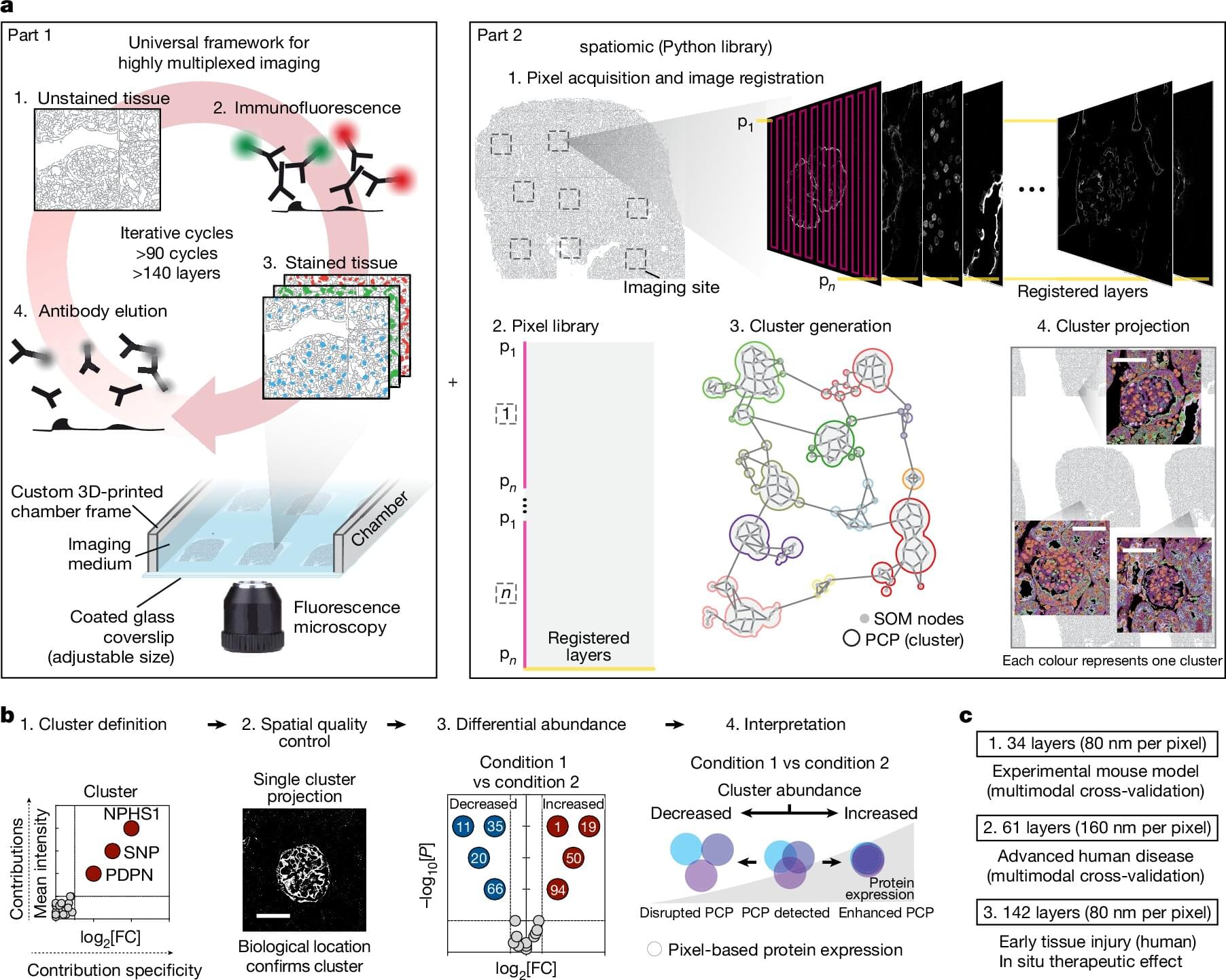
New advanced imaging technology enables detailed disease mapping in tissue samples
Researchers from Aarhus University—in a major international collaboration—have developed a groundbreaking method that can provide more information from the tissue samples doctors take from patients every day.
The new technique, called Pathology-oriented multiPlexing or PathoPlex, can look under a microscope at over 100 different proteins in the same small piece of tissue—instead of just 1–2 at a time, as is done now.
The technology, which has just been published in the journal Nature, combines advanced image processing with machine learning to map complex disease processes in detail.
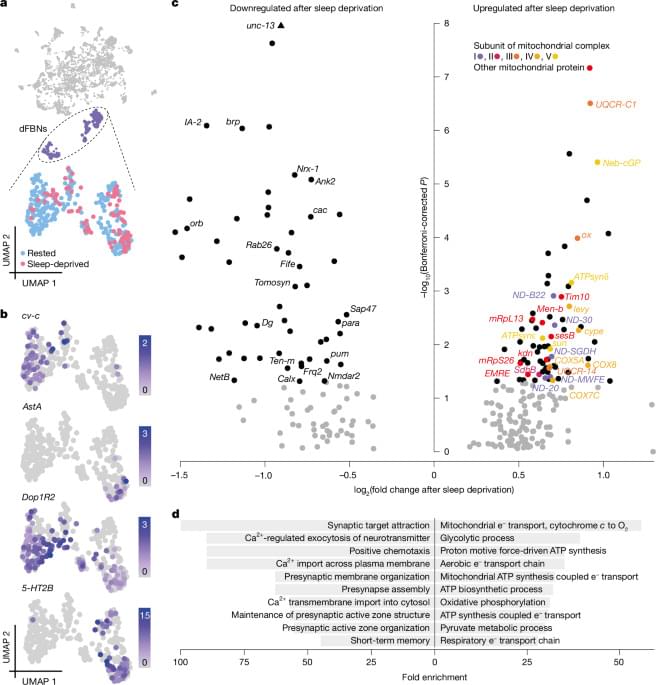
Mitochondrial origins of the pressure to sleep
Research on Drosophila neurons shows links between the need to sleep and aerobic metabolism, indicating that the pressure to sleep may have a mitochondrial origin.
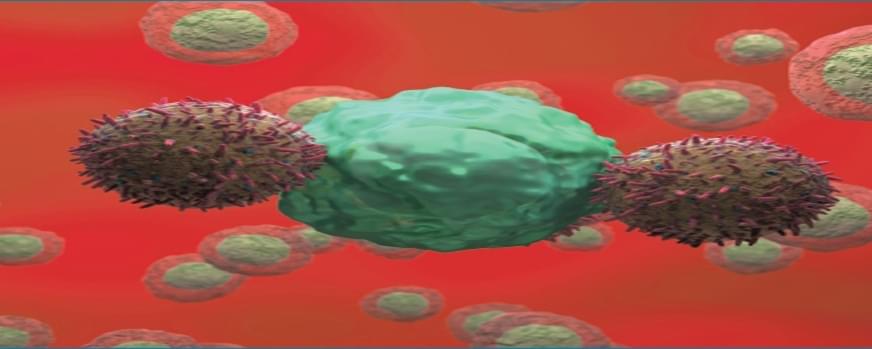
Second Primary Cancers & CAR-T Therapy: Risks, Insights &… : Oncology Times
An abstract is unavailable.
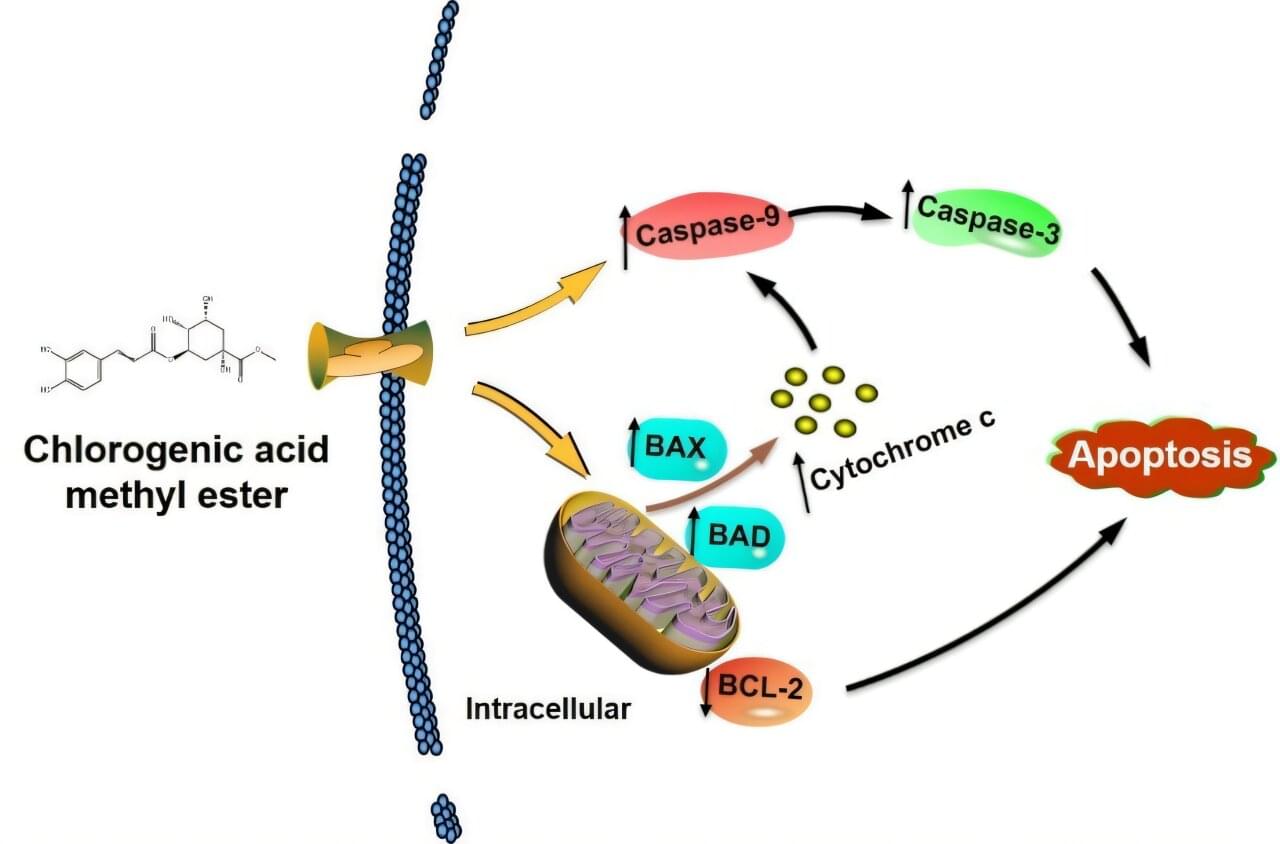
Stevia leaf extract has potential as anticancer treatment, researchers find
Stevia may provide more benefits than as a zero-calorie sugar substitute. When fermented with bacteria isolated from banana leaves, stevia extract kills off pancreatic cancer cells but doesn’t harm healthy kidney cells, according to a research team at Hiroshima University.
The researchers published their findings on April 28 in the International Journal of Molecular Sciences.
“Globally, the incidence and mortality rates of pancreatic cancer continue to rise, with a five-year survival rate of less than 10%,” said co-author Narandalai Danshiitsoodol, associate professor in Department of Probiotic Science for Preventive Medicine, Graduate School of Biomedical and Health Sciences.
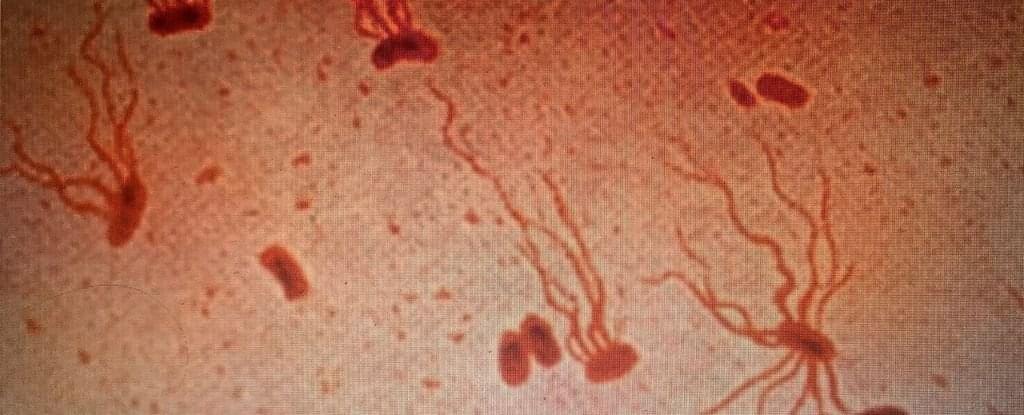
Ancient Killer Is Rapidly Becoming Resistant to Antibiotics, Warns Study
In spite of having plagued humans for millennia, t yphoid fever is rarely considered in developed countries today. But this ancient threat is still very much a danger in our modern world.
According to research published in 2022, the bacterium that causes typhoid fever is evolving extensive drug resistance, and is rapidly replacing strains that aren’t resistant.
Currently, antibiotics are the only way to effectively treat typhoid, which is caused by the bacterium Salmonella enterica serovar Typhi (S Typhi). Yet over the past three decades, the bacterium’s resistance to oral antibiotics has been growing and spreading.
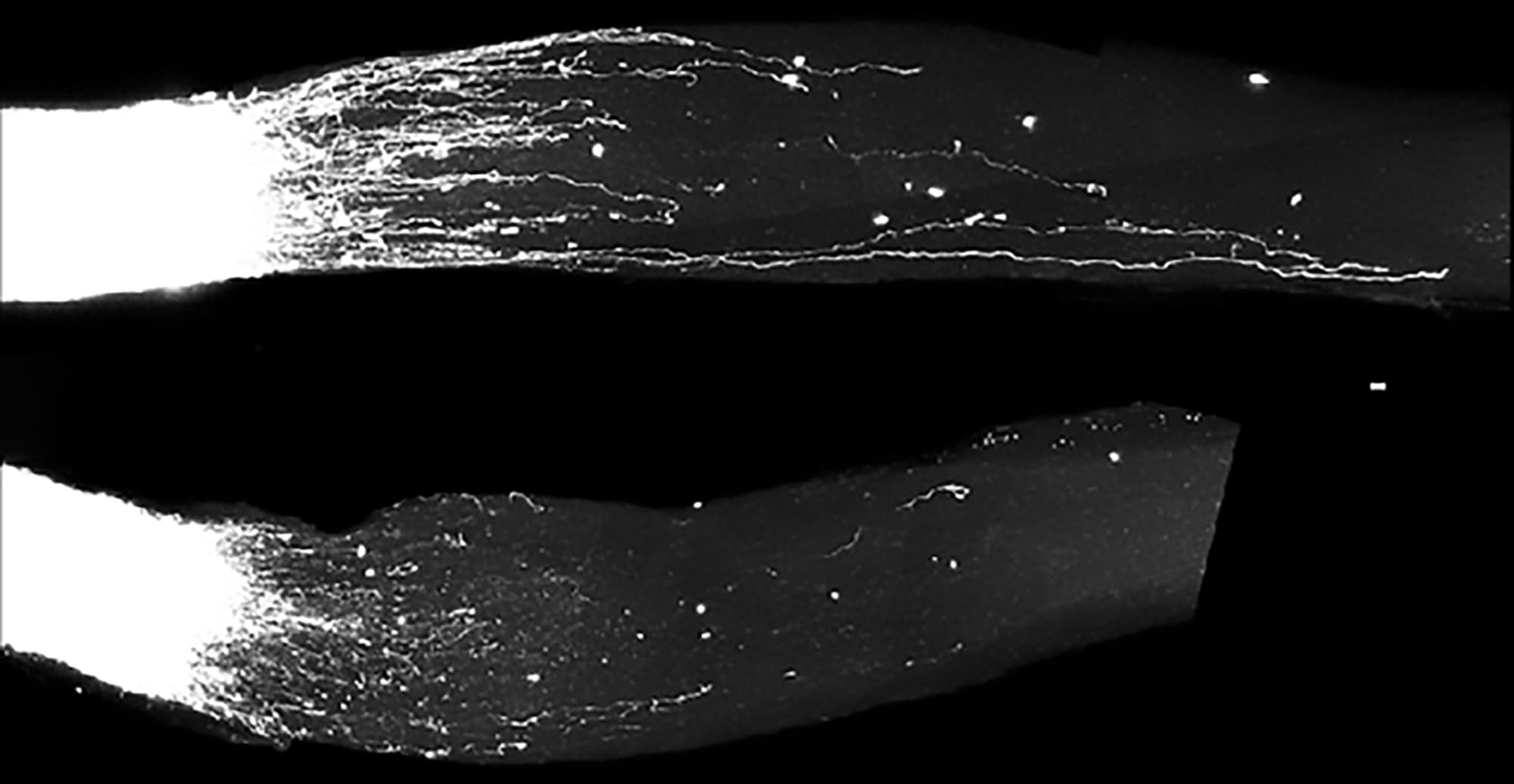
‘Junk’ RNA molecules help to regrow damaged nerves
Once dismissed as “junk,” a group of RNA molecules has been found to help regrow damaged nerves in mice in new research. The discovery could unlock new ways to treat nerve injuries and even restore growth in the brain and spinal cord.