Scientists have mapped how over 140,000 mutations affect the formation of amyloid beta fibrils, offering an unprecedented look at early events in Alzheimer’s disease.


One of the biggest mysteries of evolution is how species first developed complex vision. Jellyfish are helping scientists solve this puzzle, as the group has independently evolved eyes at least nine separate times. Different species of jellyfish have strikingly different types of vision, from simple eyespots that detect light intensity to sophisticated lens eyes similar to those in humans.
Biologists have studied jellyfish eye structure, light sensitivity, and visual behavior for decades, but the exact genes involved in jellyfish eye formation remain unknown.
Aide Macias-Muñoz, a professor of ecology and evolutionary biology, is exploring how eyes and light detection evolved using genetic tools. Her lab has just completed a high-quality genome sequence of Bougainvillia cf. muscus, a small jellyfish-like animal in the Hydrozoa group that has an astonishing 28 eyes.

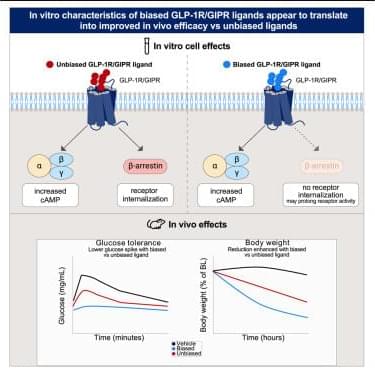
Biased agonism to treat diabetes and obesity.
Agonists of glucagon-like peptide-1 receptor (GLP-1R) and glucose-dependent insulinotropic polypeptide receptor (GIPR) have been used for diabetes and obesity treatment. Mechanism of action and signaling of these receptors are of paramount importance.
The researchers investigate the impact of biased cyclic AMP (cAMP) signaling with a dual GLP-1R/ GIPR agonist.
Biased GLP-1R and GIPR agonism with GLP-1R/GIPR agonist, CT-859 leads to better and prolonged glucose lowering, greater food intake reduction, and weight loss than unbiased agonism.
Biased GIPR agonism synergizes with GLP-1R on food intake suppression and weight loss. https://www.cell.com/cell-reports-medicine/fulltext/S2666…0229-0 https://sciencemission.com/Biased-agonism-of-GLP-1R-and-GIPR
Rodriguez et al. investigate the impact of biased signaling with a dual GLP-1R/GIPR agonist. Biased GLP-1R and GIPR agonism leads to better and prolonged glucose lowering, greater food intake reduction, and weight loss than unbiased agonism. Biased GIPR agonism synergizes with GLP-1R on food intake suppression and weight loss.
Many different types of cells in the body have a tiny projection known as a primary cilium. These cilia act like little signaling hub that can capture information about a cell’s environment and relay it to the cell, ultimately coordinating some cellular responses. The functions of cilia are well known in a few cases, such as in development, where they are crucial to the regulation of certain processes; or in some disorders called ciliopathies, in which genetic mutations lead to ciliary dysfunction and human disease.
Join us on Patreon! https://www.patreon.com/MichaelLustgartenPhDDiscount Links/Affiliates: Blood testing (where I get the majority of my labs): https://www.u…
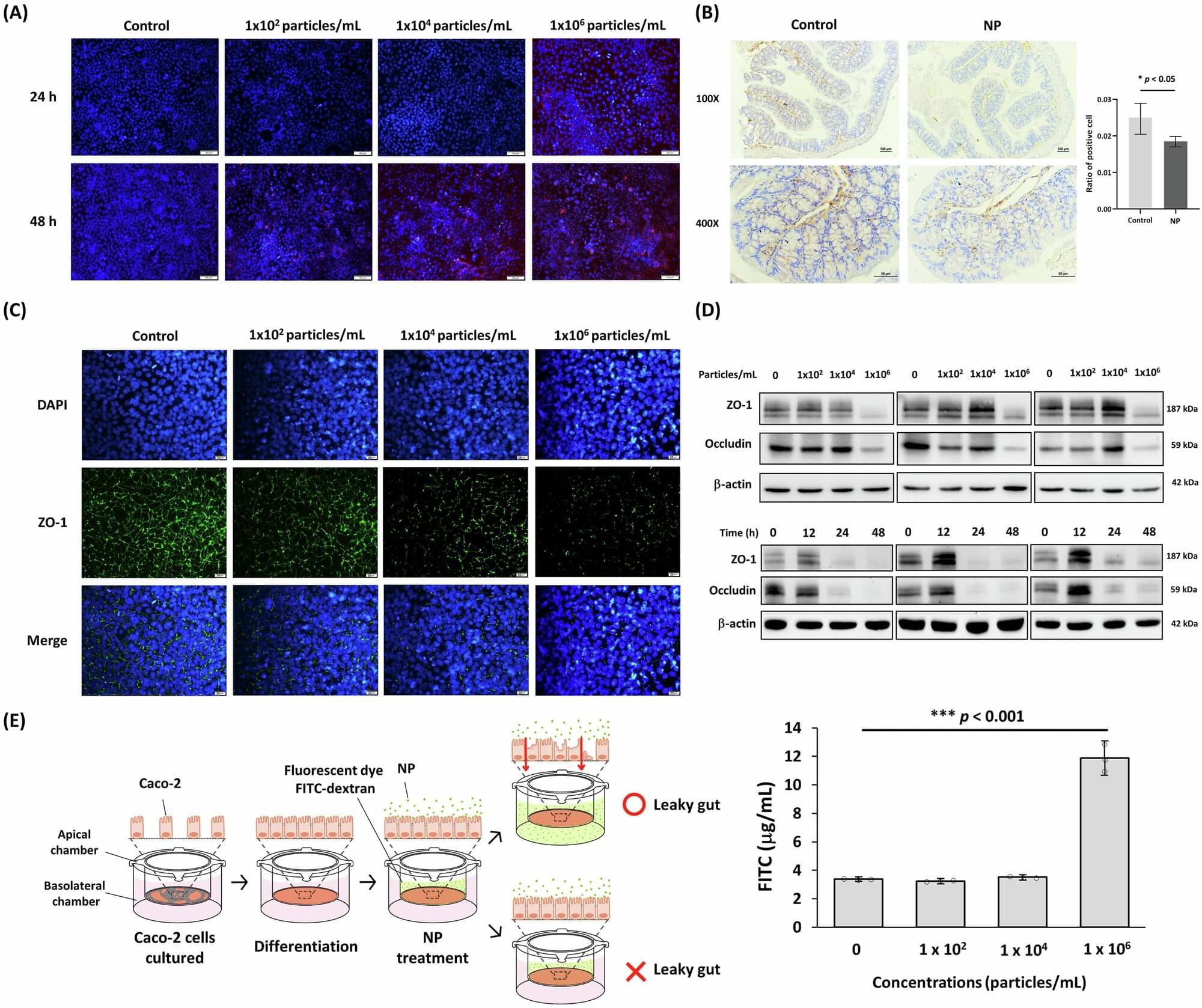
Nanoplastics can compromise intestinal integrity in mice by altering the interactions between the gut microbiome and the host, according to a paper in Nature Communications. The study explores the complex interactions of nanoplastics with the gut microenvironment in mice.
Nanoplastics are pieces of plastic less than 1,000 nanometers in diameter, which are created as plastics degrade. Previous research has suggested that nanoplastic uptake can disrupt the gut microbiota; however, the underlying mechanism behind this effect is poorly understood.
Researcher Wei-Hsuan Hsu and colleagues used RNA sequencing, transcriptomic analysis and microbial profiling to analyze the effects of polystyrene nanoplastics on the intestinal microenvironment when ingested in mice. They found that nanoplastic accumulation in the mouse intestine was linked to altered expression of two proteins involved in intestinal barrier integrity (ZO-1 and MUC-13), which could disrupt intestinal permeability.
The discovery of two new genetic disorders comes from a study delivered through the National Institute for Health and Care Research (NIHR) Manchester Biomedical Research Center (BRC) and The University of Manchester and could provide answers for several thousands of people with neurodevelopmental conditions around the world.
Since the breakthrough, 18-year-old Rose Anderson from Stretford in Manchester has received a diagnosis of one of the newly discovered conditions.
Rose has been known to the team at the Manchester Center for Genomic Medicine at Manchester University NHS Foundation Trust (MFT) for nearly her whole life, although a precise diagnosis for her seizures and developmental delay has proved difficult to find.
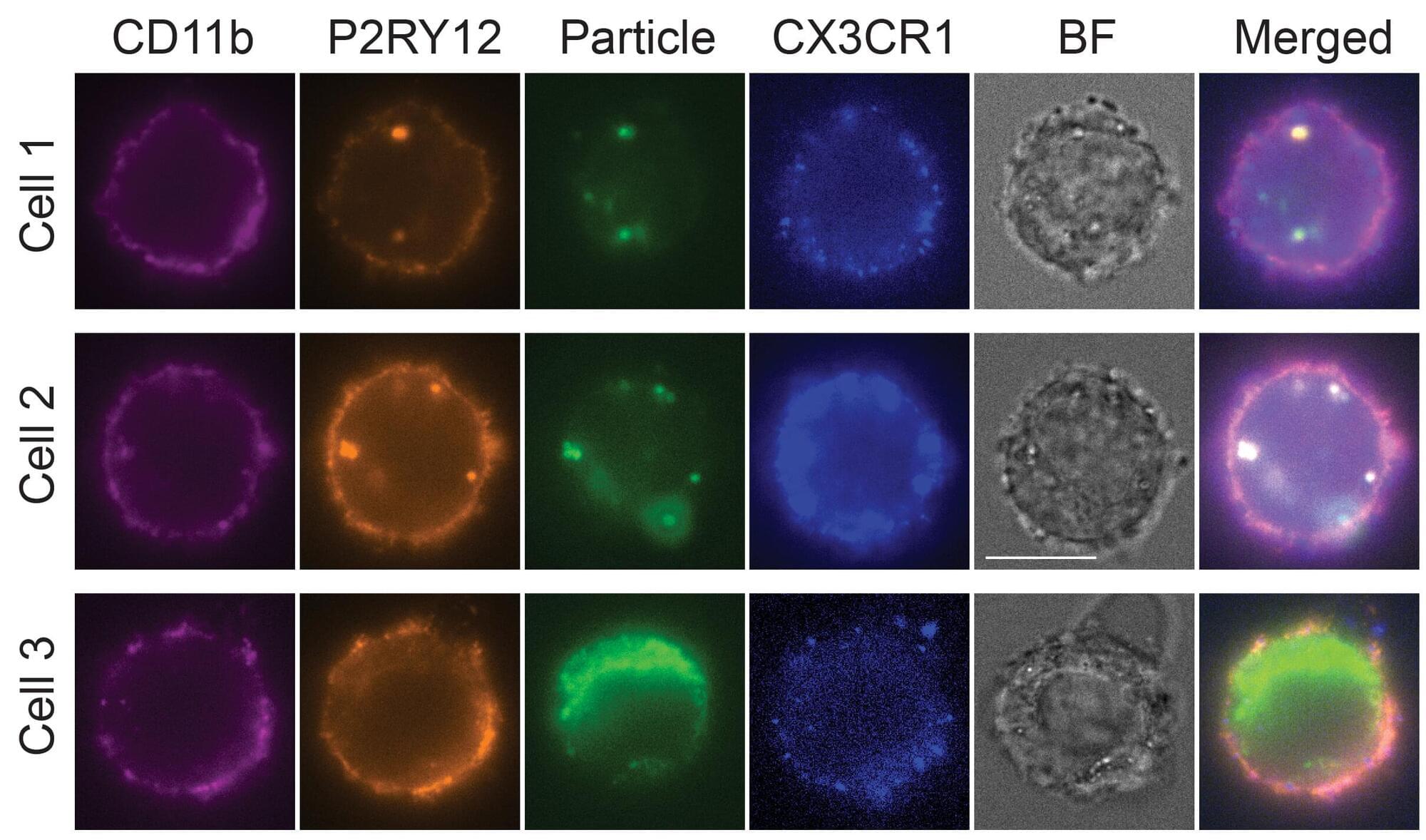
Microglia are a specialized type of immune cell that accounts for about 10% of all cells within the brain and spinal cord. They function by eliminating infectious microbes, dead cells, and aggregated proteins, as well as soluble antigens that may endanger the brain and, during development, also help shape neural circuits enabling specific brain functions.
When microglia don’t function properly, they can trigger neuroinflammation and fail to clear away damaged cells and harmful protein clumps—such as the neurofibrillary tangles and amyloid plaques seen in Alzheimer’s disease. This contributes to numerous neurodegenerative diseases, including Alzheimer’s, Parkinson’s and Huntington’s disease, as well as amyotrophic lateral sclerosis (ALS), multiple sclerosis, and other disorders. In fact, neuroinflammation can occur even before proteins start to form pathogenic aggregates and, in turn, accelerates protein aggregation.
Researchers and drug developers aiming to better understand and target microglia functions in the brain are challenged by the fact that human microglia can only be obtained through biopsies, and rodents’ microglia differ from their human counterparts in many critical features. This supply issue prompted them to work on methods to create microglia in the culture dish using stem cells as a starting point. However, to date, this process has remained inefficient, and requires weeks to complete at significant costs.
Researchers at the Department of Energy’s Lawrence Berkeley National Laboratory (Berkeley Lab) have made a breakthrough in laser technology by using machine learning (ML) to help stabilize a high-power laser.
This advancement, spearheaded by Berkeley Lab’s Accelerator Technology & Applied Physics (ATAP) and Engineering Divisions, promises to accelerate progress in physics, medicine, and energy. The researchers report their work in the journal High Power Laser Science and Engineering.