Toggle light / dark theme

Plastic pollution ‘grave and growing’ health threat: Lancet

Plastic pollution is a “grave, growing and under-recognized danger” to health that is costing the world at least $1.5 trillion a year, experts warned in a report on Monday.

The new review of the existing evidence, which was carried out by leading health researchers and doctors, was published one day ahead of fresh talks opening in Geneva aiming to seal the world’s first treaty on plastic pollution.

“Plastics cause disease and death from infancy to old age and are responsible for health-related economic losses exceeding US$1.5 trillion annually,” said the review in The Lancet medical journal.

FDA approves light-activated polymer for nerve repair without stitches

The US Food and Drug Administration has approved a new system for nerve repair based on light-activated polymers rather than surgical stitches. The flexible polymer system was developed by the medical technology company Tissium, which was founded over a decade ago to commercialize research from the laboratories of Jeffrey M. Karp and Bob Langer at the Massachusetts Institute of Technology.


Approval is the first for firm Tissium, which was founded over a decade ago by .

Humanlike “teeth” have been grown in mini pigs

Lose an adult tooth, and you’re left with limited options that typically involve titanium implants or plastic dentures. But scientists are working on an alternative: lab-grown human teeth that could one day replace damaged ones.

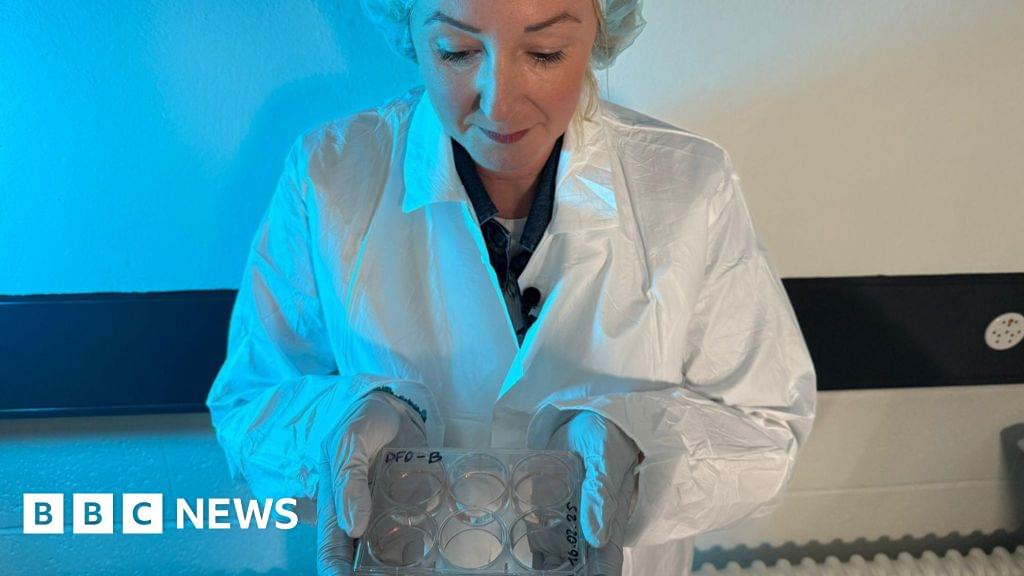
Pamela Yelick and Weibo Zhang at Tufts University School of Dental Medicine in Boston have grown a mixture of pig and human tooth cells in pieces of pig teeth to create bioengineered structures that resemble real human teeth.


The toothlike structures represent a step toward bioengineered replacements for dental implants, say researchers behind the work.

Researchers identify protein patterns linked to chemotherapy resistance in bladder cancer

About one quarter of patients with muscle-invasive bladder cancer (MIBC) may be treated and derive a benefit with the current standard chemotherapy. To better understand why some tumors resist chemotherapy and identify better ways to treat those cancers, researchers at Baylor College of Medicine have conducted a detailed molecular analysis of MIBC tumors. The results, published in Cell Reports Medicine, offer potential new ways to identify which patients will benefit from chemotherapy and reveal possible new treatment strategies.

“One of our goals was to identify molecular markers in patient tumors that would help us predict which patients were most likely to benefit from chemotherapy and which ones might not,” said first co-author, Dr. Matthew V. Holt, director of the Lester and Sue Smith Breast Center Proteomics Laboratory at Baylor.

The researchers studied 60 MIBC tumor samples using a comprehensive multi-omics approach which included genomics (sequencing the genes of the tumor), transcriptomics (analyzing which genes are turned on or off), proteomics (the proteins produced by the tumor) and phosphoproteins (proteins with chemical tags that control their activity).

Can Dietary Sodium Reduce Grey Hair?

Join us on Patreon! https://www.patreon.com/MichaelLustgartenPhD

Discount Links/Affiliates:
Blood testing (where I get the majority of my labs): https://www.ultalabtests.com/partners/michaellustgarten.

At-Home Metabolomics: https://www.iollo.com?ref=michael-lustgarten.
Use Code: CONQUERAGING At Checkout.

Clearly Filtered Water Filter: https://get.aspr.app/SHoPY

Epigenetic, Telomere Testing: https://trudiagnostic.com/?irclickid=U-s3Ii2r7xyIU-LSYLyQdQ6…M0&irgwc=1
Use Code: CONQUERAGING

NAD+ Quantification: https://www.jinfiniti.com/intracellular-nad-test/

Breakthrough lung cancer treatment supercharges immune cells with mitochondria

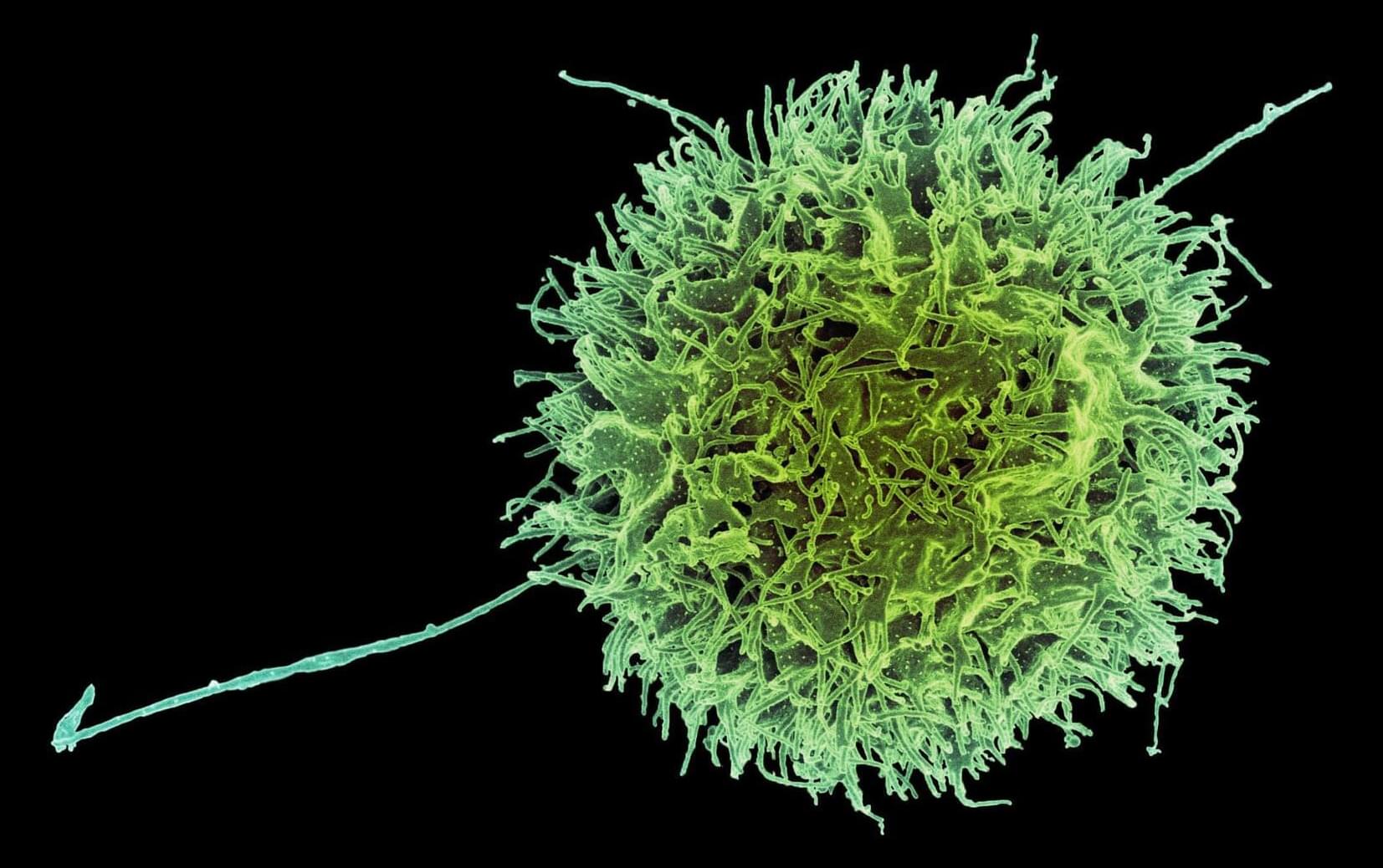
Scientists have found a way to supercharge lung cancer treatment by transplanting healthy mitochondria into tumors, which both boosts immune response and makes chemotherapy far more effective. By combining this novel method with cisplatin, researchers reversed harmful tumor metabolism and empowered immune cells to fight back, all without added toxicity.

/* */