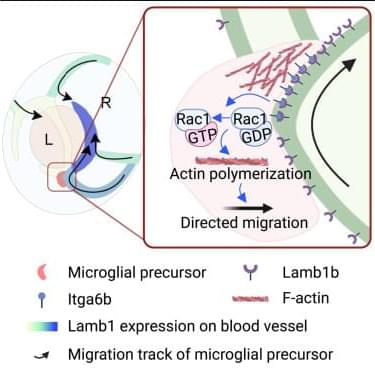
Zhan et al. show that blood vessels serve as a migratory scaffold directing retinal microglial precursor infiltration into the developing retina. Vascular Lamb1 signaling orchestrates this precise migration, indicating a key mechanism guiding retinal microglial colonization during development.
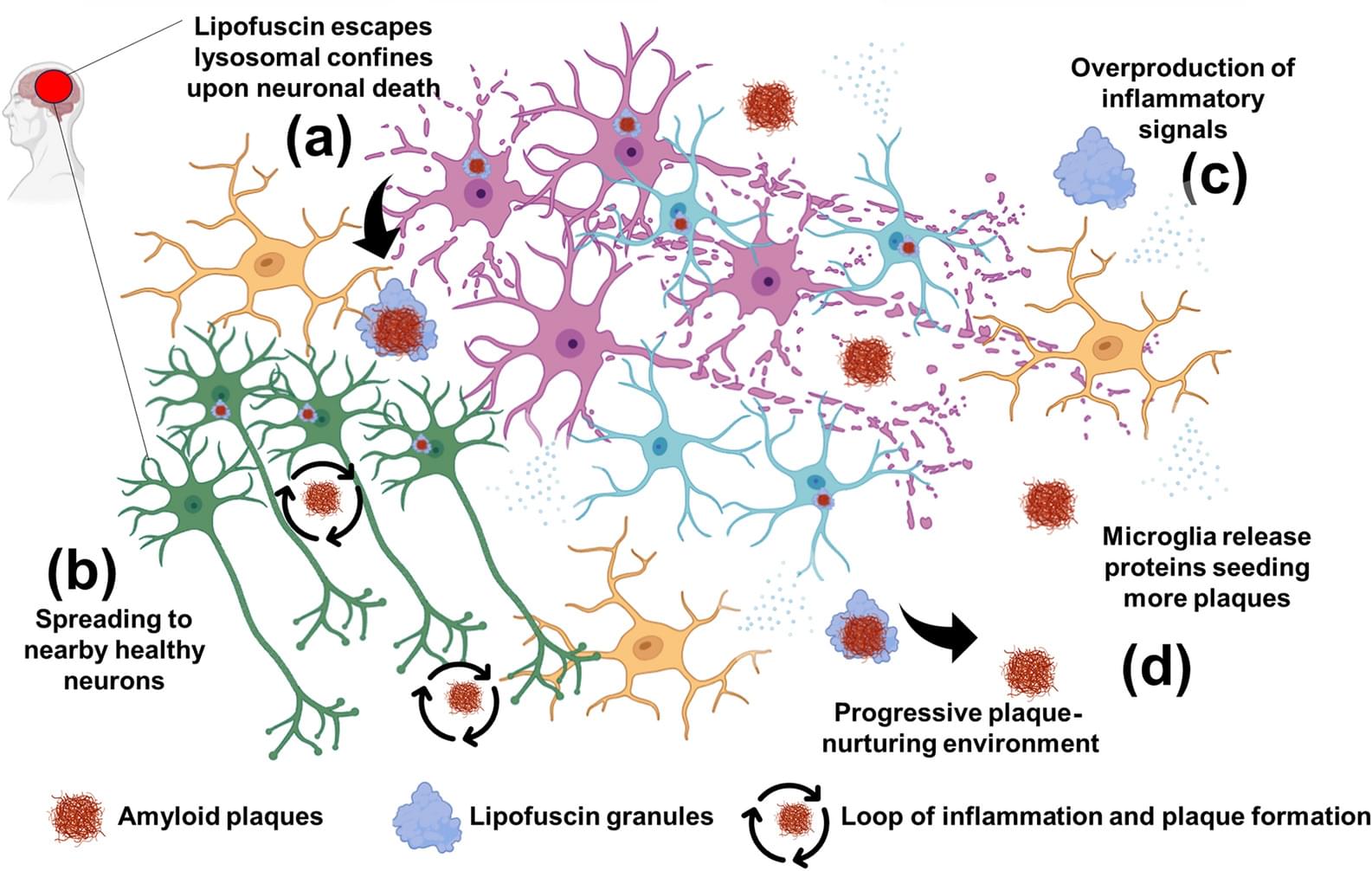
Lipofuscin, a marker of aging, is the accumulation of autofluorescent granules within microglia and postmitotic cells such as neurons. Lipofuscin has traditionally been regarded as an inert byproduct of cellular degradation. However, recent findings suggest that lipofuscin may play a role in modulating age-related neurodegenerative processes, and several questions remain unanswered. For instance, why do lipofuscin granules accumulate preferentially in aged neurons and microglia? What happens to these pigments upon neuronal demise? Particularly in neurodegenerative diseases like Alzheimer’s disease (AD), why does amyloid β (Aβ) deposition usually begin in late adulthood or during aging? Why do lipofuscin and amyloid plaques appear preferentially in grey matter and rarely in white matter? In this review, we argue that lipofuscin should be revisited not as a simple biomarker of aging, but as a potential modulator of neurodegenerative diseases. We synthesize emerging evidence linking lipofuscin to lysosomal dysfunction, oxidative stress, lipid peroxidation and disease onset—mechanisms critically implicated in neurodegeneration. We also explore the potential interactions of lipofuscin with Aβ and their spatial location, and summarize evidence showing that lipofuscin may influence disease progression via feedback loops affecting cellular clearance and inflammation. Finally, we propose future research directions toward better understanding of the mechanisms of lipofuscin accumulation and improved lysosomal waste clearance in aging.
Why do certain immune cells remain permanently active in allergic asthma – even in an environment that should actually damage them? A research team has discovered that these cells only survive because they activate a special antioxidant protection mechanism. When this mechanism is blocked, allergic inflammation in mouse models decreases significantly. The results have now been published in the scientific journal Immunity.
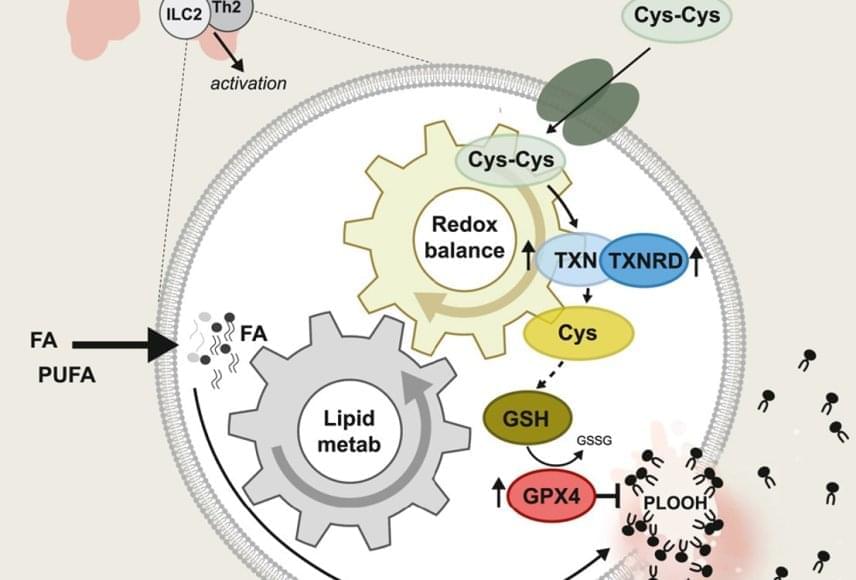
In allergic asthma, so-called ILC2 and Th2 cells are key drivers of inflammation. They produce messenger substances that increase mucus formation and the influx of immune cells. At the same time, the inflamed lung tissue is rich in free fatty acids and oxidative molecules — conditions that normally endanger cells.
The study shows that pathogenic ILC2s absorb large amounts of these fats and incorporate them into their membranes. In order to avoid dying from ferroptosis, an iron-dependent form of cell death caused by oxidized lipids, they activate their antioxidant systems. The enzymes GPX4 and TXNRD1 play a central role in this process. They neutralize harmful lipid peroxides and enable the cells to survive and multiply despite the stressful environment.
To test this approach, the Bonn team inhibited the thioredoxin metabolic pathway using a drug that blocks the enzyme TXNRD1. In mouse models, this led to significantly less ILC2 accumulating in the lungs. As a result, both the production of the typical type 2 cytokines IL-5 and IL-13 and the number of eosinophils and mucus production decreased. Overall, the allergic reaction was significantly less severe.
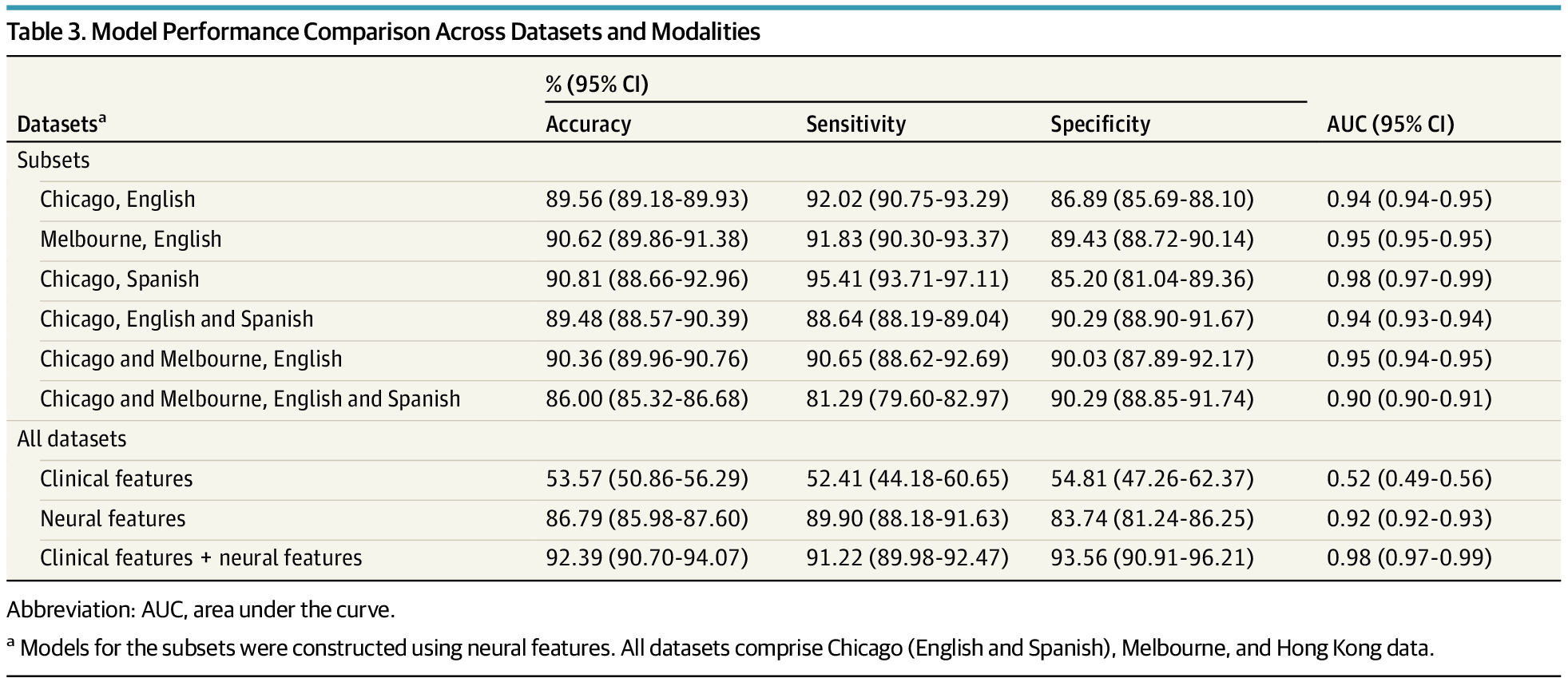
Deep transfer learning using presurgical brain MRI features predicted post–cochlear implant language improvement in children with 92% accuracy, outperforming traditional ML.
Importance Cochlear implants substantially improve spoken language in children with severe to profound sensorineural hearing loss, yet outcomes remain more variable than in children with healthy hearing. This variability cannot be reliably predicted for individual children using age at implant or residual hearing. Development of an artificial intelligence clinical tool to predict which patients will exhibit poorer improvements in language skills may enable an individualized approach to improve language outcomes.
Objective To compare the accuracy of traditional machine learning (ML) with deep transfer learning (DTL) algorithms to predict post–cochlear implant spoken language development in children with bilateral sensorineural hearing loss using a binary classification model of high vs low language improvers.
Design, Setting, and Participants This multicenter diagnostic study enrolled children from English-, Spanish-, and Cantonese-speaking families across 3 independent clinical centers in the US, Australia, and Hong Kong. A total of 278 children with cochlear implants were enrolled from July 2009 to March 2022 with 1 to 3 years of post–cochlear implant outcomes data. All children underwent pre–cochlear implant 3-dimensional volumetric brain magnetic resonance imaging (MRI). ML and DTL algorithms were trained to predict high vs low language improvers in children with cochlear implants using neuroanatomical features from presurgical brain MRI. Data were analyzed from August 2023 to April 2025.
In this video, we break down six major scientific breakthroughs from July to September that are pushing us closer to true age reversal — from AI-designed drugs and senolytics to epigenetic reset and real human results. You’ll see how AI, wet-lab automation, and new biomarkers are accelerating longevity research faster than ever before — and what this means for your future healthspan.
0:51 — Breakthrough #1: AI Becomes the Scientist. 1:30 — Breakthrough #2: Reprogramming at 50× Speed. 2:24 — Breakthrough #3: Human Results Are Finally Here. 2:52 — Breakthrough #4: AI Discovers Drugs From Scratch. 3:38 — Breakthrough #5: Aging Now Has a Dashboard. 4:12 — Breakthrough #6: The Telomere Puzzle (TEN1) 4:38 — The Double-Edged Sword of Rejuvenation. 5:04 — The LEV Cycle.
📌 ABOUT THIS CHANNEL Easy Insight simplifies the science of longevity — from AI-driven age reversal and gene editing to breakthroughs that could let us outpace aging itself. No hype. No speculation. Just easy, factual insight into how technology may redefine human healthspan.
💬 JOIN THE CONVERSATION What would you do with 100 healthy years? Share your thoughts in the comments 👇 👍 Like if this video made you think deeper. 🔔 Subscribe to follow the science of living longer, better: https://youtube.com/@EasyInsight-4everyone.
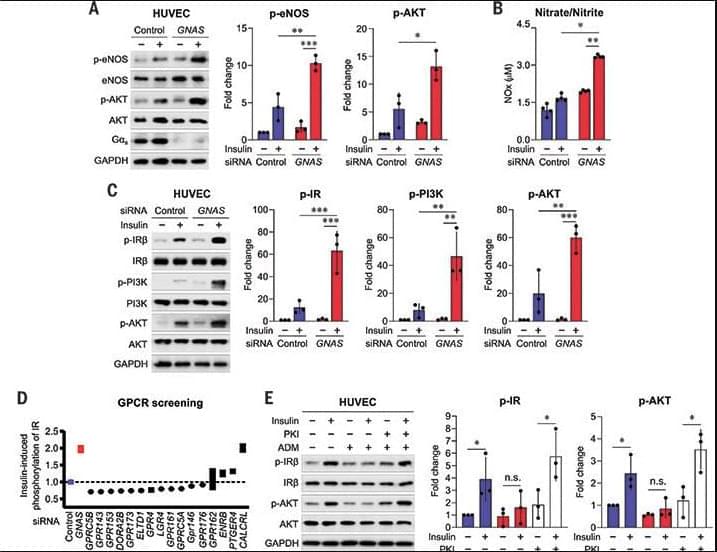
The hormone adrenomedullin disrupts insulin signaling in blood vessel cells, contributing to systemic insulin resistance in obesity-associated type 2 diabetes, according to a Science study from earlier this year in mice.
The results suggest a potential new target for treating obesity-related metabolic disease.
Insulin resistance is a hallmark of obesity-associated type 2 diabetes. Insulin’s actions go beyond metabolic cells and also involve blood vessels, where insulin increases capillary blood flow and delivery of insulin and nutrients. We show that adrenomedullin, whose plasma levels are increased in obese humans and mice, inhibited insulin signaling in human endothelial cells through protein-tyrosine phosphatase 1B–mediated dephosphorylation of the insulin receptor. In obese mice lacking the endothelial adrenomedullin receptor, insulin-induced endothelial nitric oxide–synthase activation and skeletal muscle perfusion were increased. Treating mice with adrenomedullin mimicked the effect of obesity and induced endothelial and systemic insulin resistance. Endothelial loss or blockade of the adrenomedullin receptor improved obesity-induced insulin resistance.
According to this study, temporal lobe sleep spindle activity is reduced in early clinical stages of Alzheimer disease and is associated with a faster rate of cognitive decline.
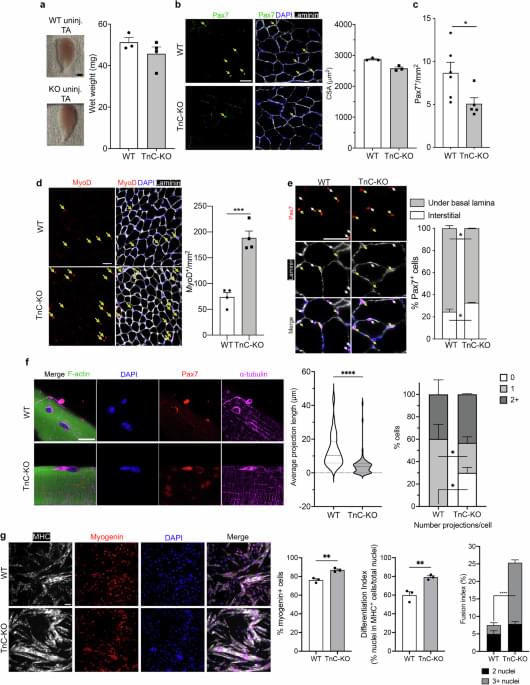
Tenascin-C (TnC) produced by the fibro-adipogenic progenitors (FAPs) is required for MuSC maintenance and function. FAP-secreted TnC signals through Annexin-A2 on the MuSC surface to promote self-renewal and regeneration potential.