Visit us at: https://www.lifespan.io/campaigns/cellage-targeting-senescen…c-biology/
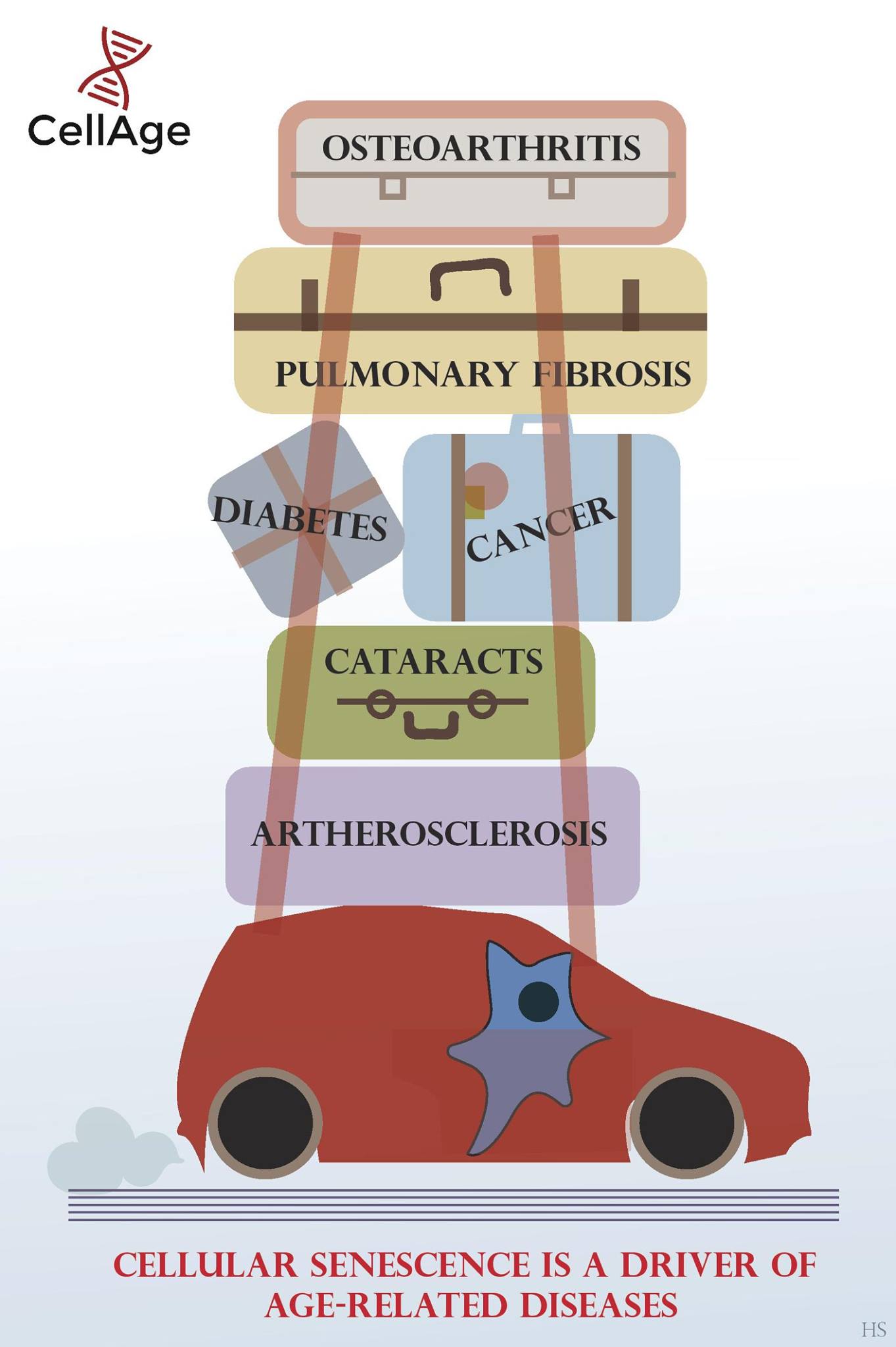
I really wanna know why people don’t get this.
For more information on Aubrey de Grey, please visit our website www.tedxmuenchen.de
Dr. Aubrey de Grey is a biomedical gerontologist based Mountain View, California, USA, and is the Chief Science Officer of SENS Research Foundation, a California-based 501©(3) biomedical research charity that performs and funds laboratory research dedicated to combating the aging process. He is also Editor-in-Chief of Rejuvenation Research, the world’s highest-impact peer-reviewed journal focused on intervention in aging. He received his BA in computer science and Ph.D. in biology from the University of Cambridge. His research interests encompass the characterisation of all the accumulating and eventually pathogenic molecular and cellular side-effects of metabolism (“damage”) that constitute mammalian aging and the design of interventions to repair and/or obviate that damage.
Twitter: @aubreydegrey
This talk was given at a TEDx event using the TED conference format but independently organized by a local community.
The first clinical trials on humans of CRISPR-Cas9-edited genes has begun in China.
Scientists at the Salk Institute have found that intermittent expression of genes normally associated with an embryonic state can reverse the hallmarks of old age. This approach, which not only prompted human skin cells in a dish to look and behave young again, also resulted in the rejuvenation of mice with a premature aging disease, countering signs of aging and increasing the animals’ lifespan by 30 percent. The early-stage work provides insight both into the cellular drivers of aging and possible therapeutic approaches for improving human health and longevity.
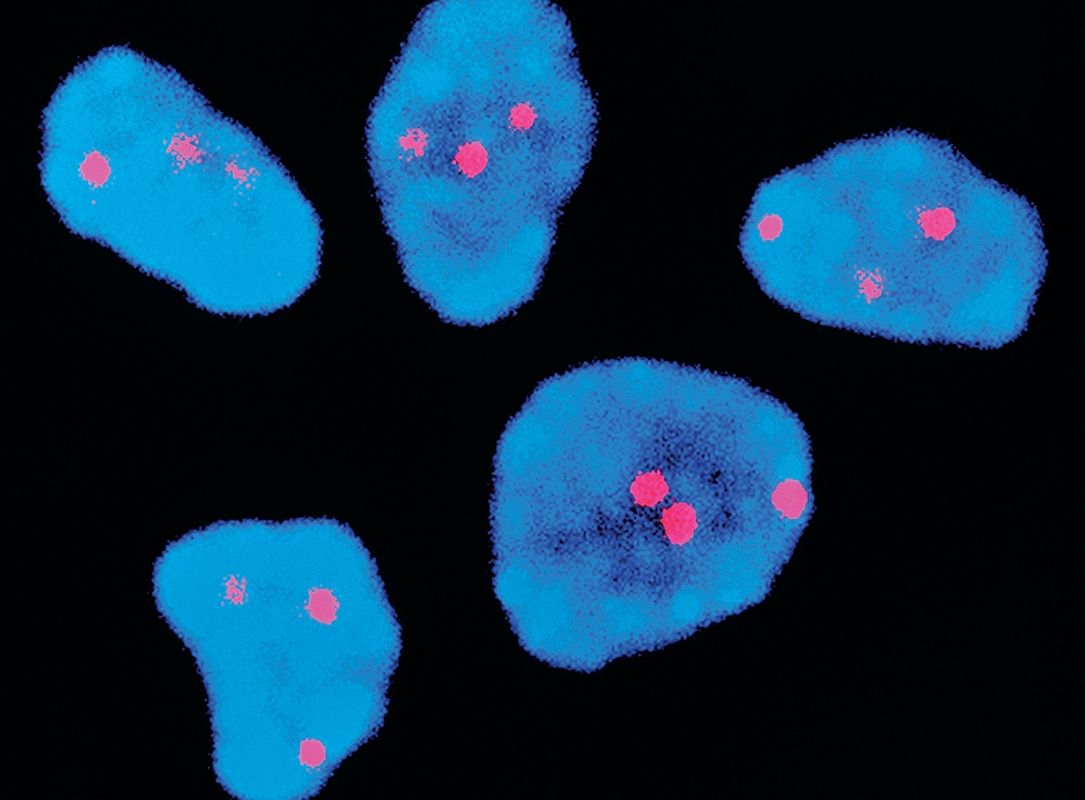
NEW HAVEN A Yale Cancer Center researcher and his team may be closer to understanding how cancers spread throughout the body, according to a release from Yale University.

Finally, maybe hope for GBM patients.
In a rapid-fire series of breakthroughs in just under a year, researchers at the University of North Carolina at Chapel Hill have made another stunning advance in the development of an effective treatment for glioblastoma, a common and aggressive brain cancer. The work, published in the Feb. 1 issue of Science Translational Medicine, describes how human stem cells, made from human skin cells, can hunt down and kill human brain cancer, a critical and monumental step toward clinical trials — and real treatment.
Last year, the UNC-Chapel Hill team, led by Shawn Hingtgen, an assistant professor in the Eshelman School of Pharmacy and member of the Lineberger Comprehensive Care Center, used the technology to convert mouse skin cells to stem cells that could home in on and kill human brain cancer, increasing time of survival 160 to 220 percent, depending on the tumor type. Now, they not only show that the technique works with human cells but also works quickly enough to help patients, whose median survival is less than 18 months and chance of surviving beyond two years is 30 percent.

Scientists at The Scripps Research Institute (TSRI) have found that deep brain stimulation (DBS) can greatly reduce the compulsion to use heroin in standard rat models of addiction.
Rats that were used to taking heroin, and normally would have self-administered more and more of the drug, did not escalate their intake when treated with DBS.
The treatment involves the weak electrical stimulation, via implanted electrodes, of a brain region called the subthalamic nucleus.
Great method btw.
Epilepsy is the fourth most common neurological disorder in the United States. Patients who have it are of all ages and it can seriously limit one’s ability to enjoy life. It’s a spectrum disorder which means the kinds of seizures people suffer and how they are managed will vary depending on the patient. Currently about 3 million people in the US are living with epilepsy and experts predict that at least 1 in 26 people will develop epilepsy at some point in their lifetime. While epilepsy is most often treated with anti-seizure medication, there are some patients who have not benefitted from medication. This form of the disorder is called drug-resistant epilepsy and can be very difficult to treat.
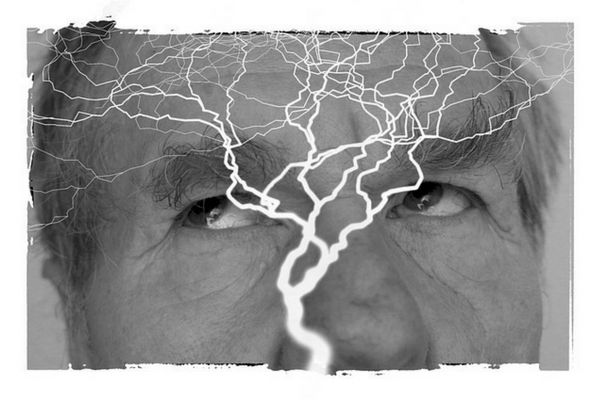
There are surgical options, but it’s crucial to have a good picture of the brain’s anatomy before any surgery is undertaken. Currently there are two methods for this. A recent article published by the American Academy of Neurology in the medical journal Neurology, looked at the two methods and revised the guidelines for each. The more common method of mapping the brain before surgery is the intracarotid amobarbital procedure, also known as the Wada test. In this procedure one side of the brain is anesthetized by injecting medication via the carotid artery. It’s invasive, can be uncomfortable and does carry some risk. The other way to get a look at the brain architecture is to use functional MRI scans.

Certainly explains patterns in certain families.
TUESDAY, Jan. 31, 2017 (HealthDay News) — Developing or worsening type 2 diabetes could be an early sign of pancreatic cancer, new research suggests.
Researchers analyzed data from nearly a million patients with type 2 diabetes or pancreatic cancer in Italy and Belgium. Half of all pancreatic cancer cases were diagnosed within a year of patients being diagnosed with diabetes, the findings showed.
The investigators also found that type 2 diabetes patients whose condition deteriorated rapidly requiring more aggressive treatment were also at increased risk for pancreatic cancer.