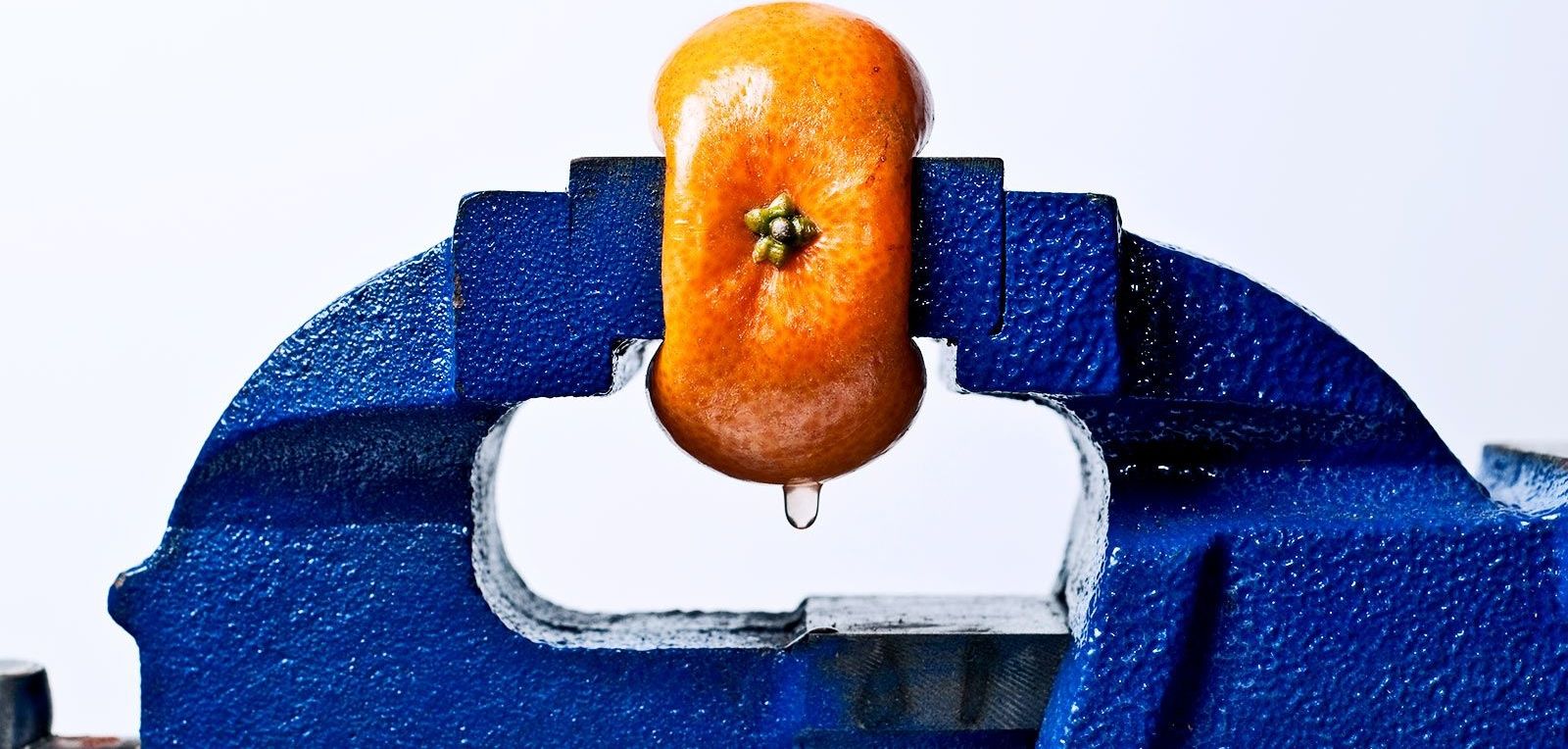
The new method for turning mature cells into stem cells skips genetic modification.
Category: biotech/medical – Page 3,419
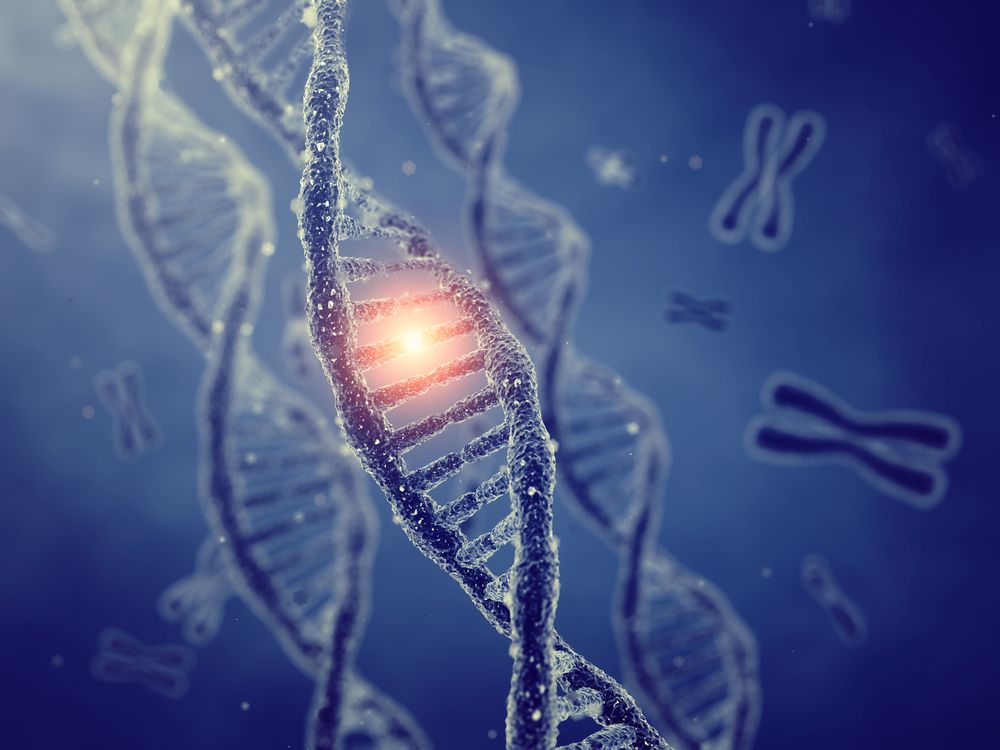
DNA Replication Can Happen Without ORC1
The ORC1 gene might not be as indispensable as previously thought in DNA replication.
According to a study conducted by Hollings Cancer Center scientists at the Medical University of South Carolina, DNA replication in murine cells is possible even in the absence of origin recognition complex 1 (ORC1), a protein encoded by the homonymous gene that was previously thought to be indispensable [1].
Study abstract
The largest subunit of the origin recognition complex (ORC1) is essential for assembly of the prereplicative complex, firing of DNA replication origins, and faithful duplication of the genome. Here, we generated knock-in mice with LoxP sites flanking exons encoding the critical ATPase domain of ORC1. Global or tissue-specific ablation of ORC1 function in mouse embryo fibroblasts and fetal and adult diploid tissues blocked DNA replication, cell lineage expansion, and organ development. Remarkably, ORC1 ablation in extraembryonic trophoblasts and hepatocytes, two polyploid cell types in mice, failed to impede genome endoreduplication and organ development and function. Thus, ORC1 in mice is essential for mitotic cell divisions but dispensable for endoreduplication. We propose that DNA replication of mammalian polyploid genomes uses a distinct ORC1-independent mechanism.
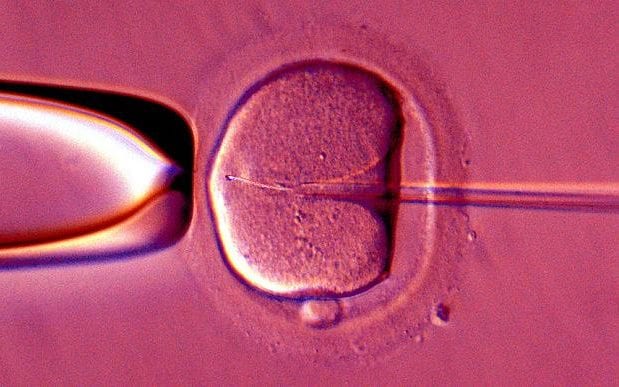
IVF children at far greater risk of dangerous high blood pressure, study suggests
Children born through IVF are six times more likely to suffer high blood pressure than naturally conceived children, putting them at greater risk of heart attacks and strokes, new research suggests.
In a study of 96 youngsters, researchers in the Switzerland found one in seven teenagers who were born through assisted reproduction had clinically high blood pressure by the age of 16, compared with just 2.3 per cent of those born naturally.
Around 20,000 babies are born through IVF in Britain each year. But the oldest test-tube baby — Louise Brown — is only 40 years old, so the long term impact of fertility treatment is still unknown.
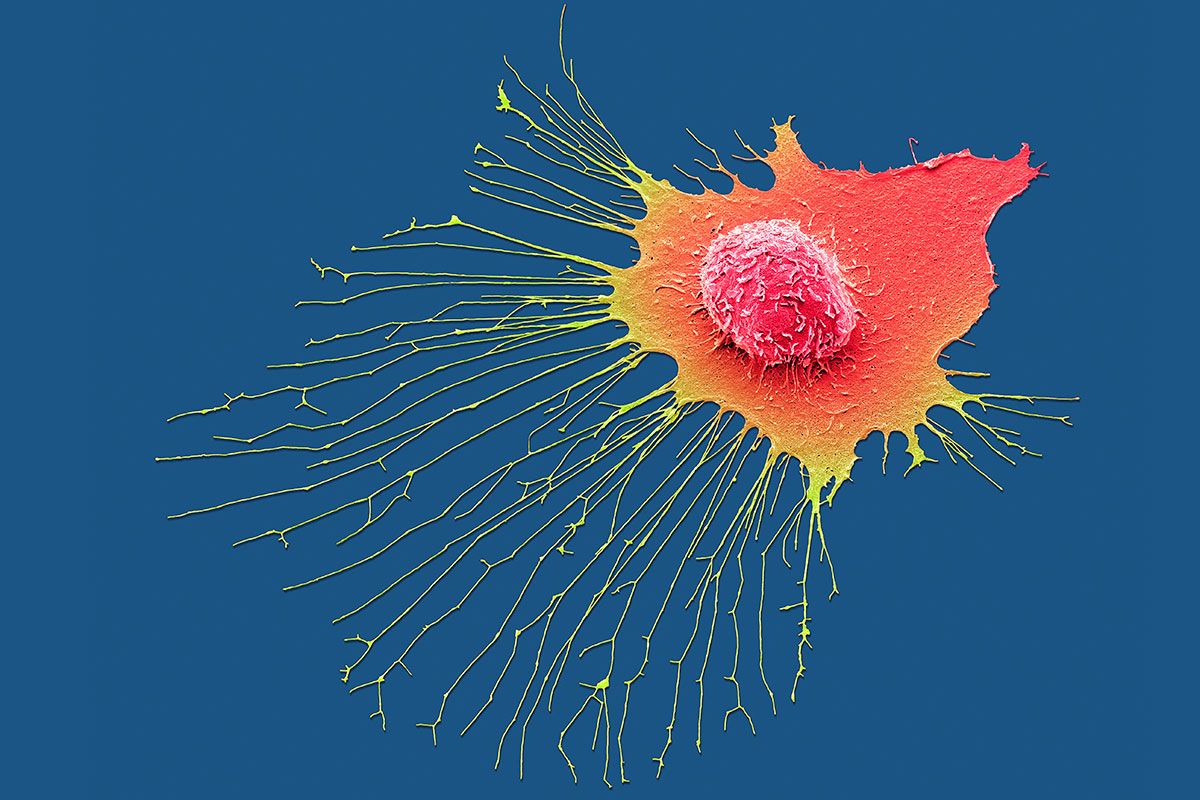
Cancer-tracking AI could save lives
Knowing what a cancer will do next could help doctors treat patients or prolong their lives with pre-emptive treatments.
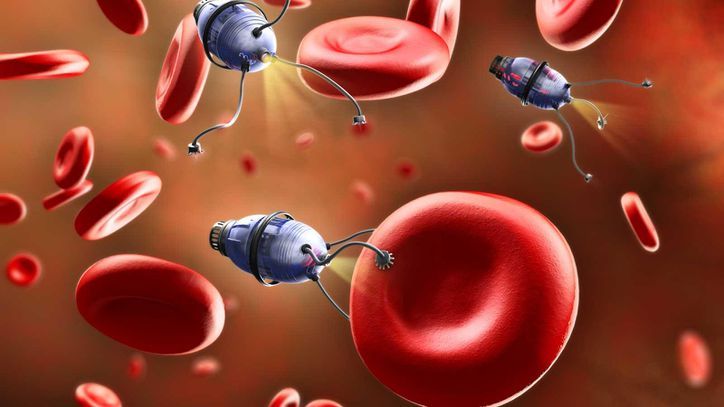
Nanobots can now swarm like fish to perform complex medical tasks
Researchers have developed a new method to control nanobots — inside the human body.

‘Invisible’ Ebola transmission in the DRC may make it a bigger threat
An outbreak of Ebola in the Democratic Republic of the Congo has killed 78 people and epidemic watchers are waiting to see whether it can be controlled.
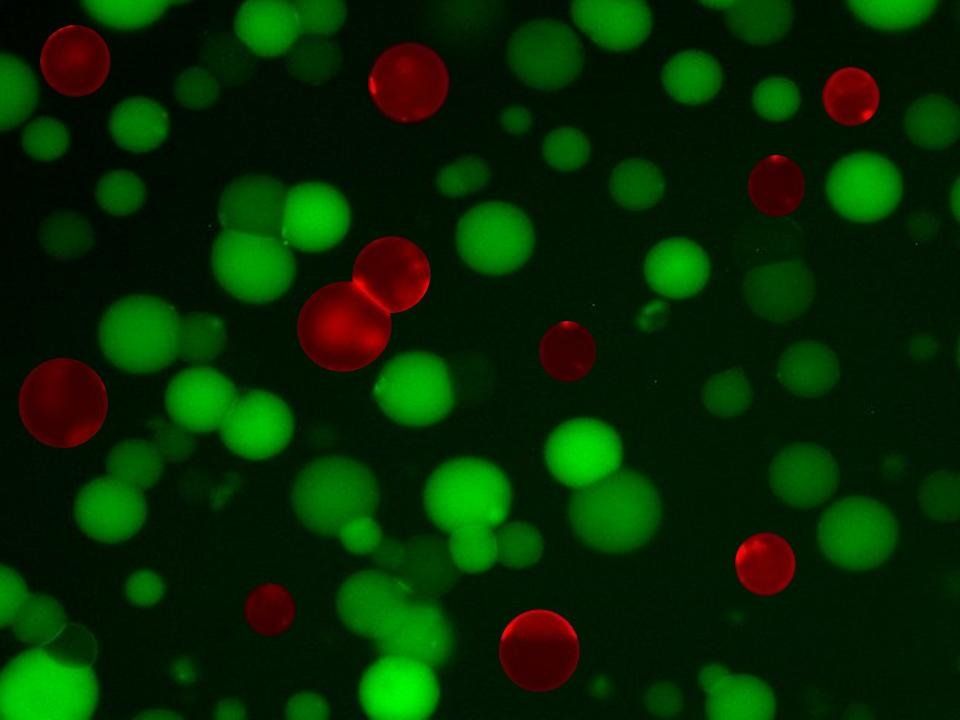
Artificial cells are tiny bacteria fighters
“Lego block” artificial cells that can kill bacteria have been created by researchers at the University of California, Davis Department of Biomedical Engineering. The work is reported Aug. 29 in the journal ACS Applied Materials & Interfaces.
“We engineered artificial cells from the bottom-up – like Lego blocks – to destroy bacteria,” said Assistant Professor Cheemeng Tan, who led the work. The cells are built from liposomes, or bubbles with a cell-like lipid membrane, and purified cellular components including proteins, DNA and metabolites.
“We demonstrated that artificial cells can sense, react and interact with bacteria, as well as function as systems that both detect and kill bacteria with little dependence on their environment,” Tan said.
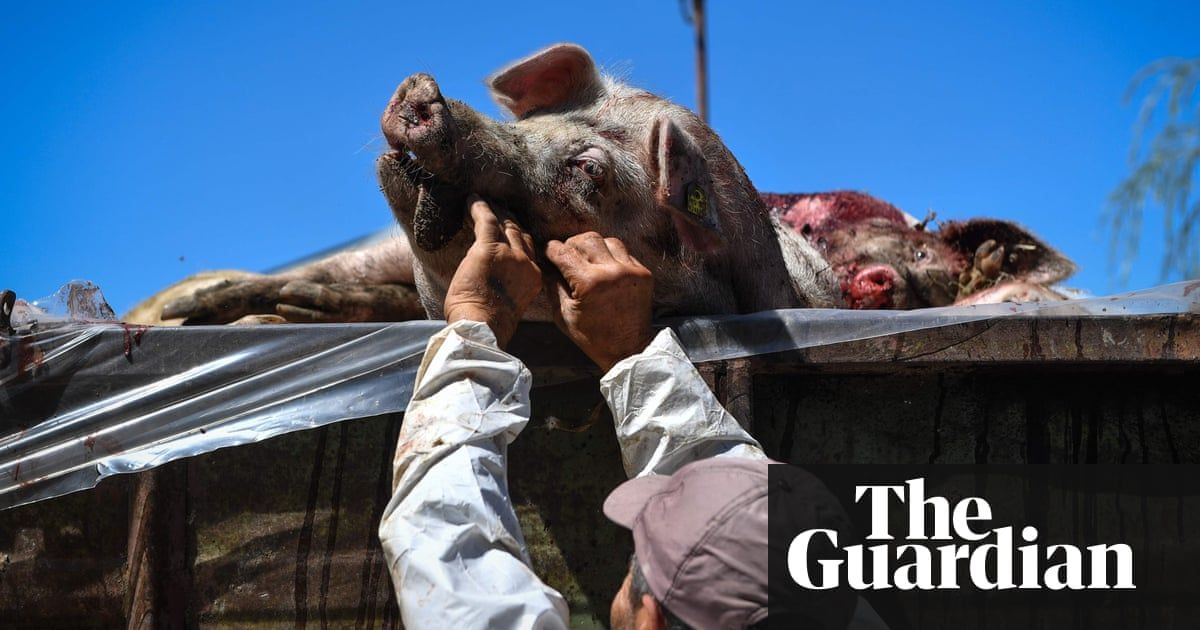
‘It’s not if, it’s when’: the deadly pig disease spreading around the world
Swine fever has made its way into China, home to half the world’s pigs. Farmers in Estonia are already counting the cost.
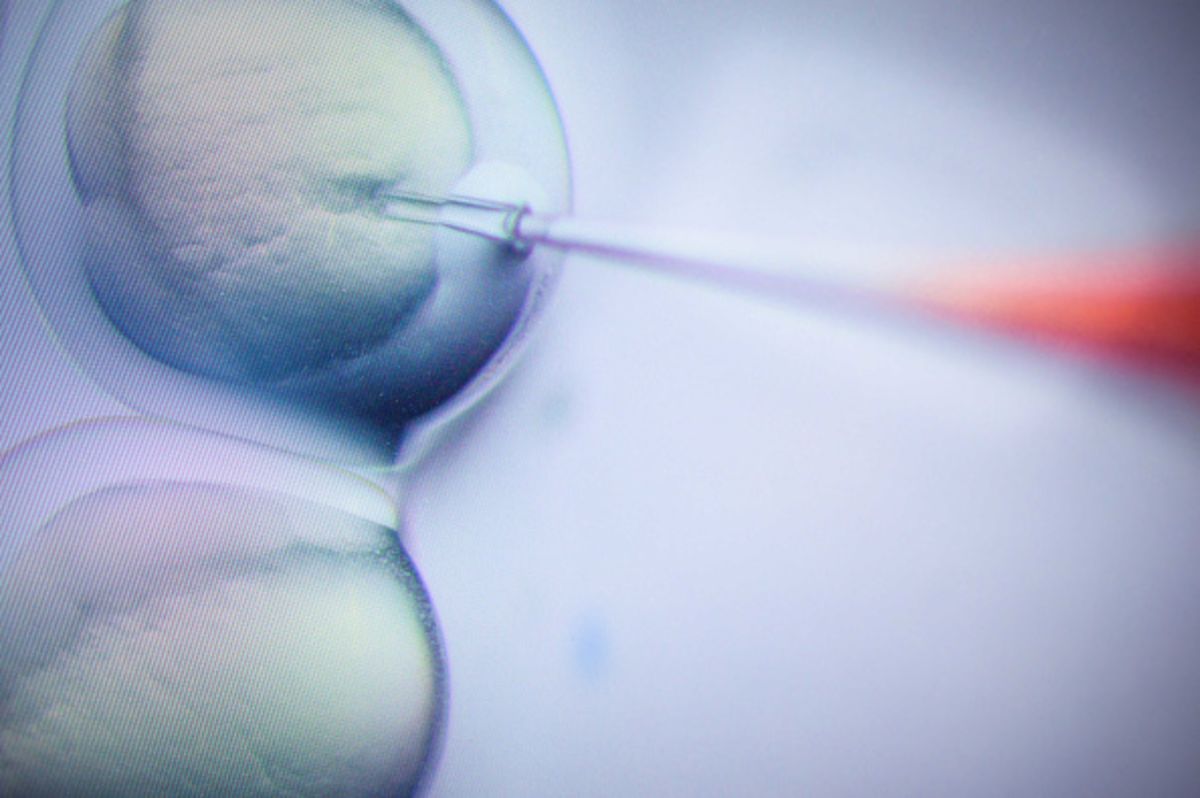
Realize the Promise of Gene-Edited Crops
A far better approach, then, is the middle course. Rather than prejudge the products of biotechnology, regulators should screen new plants and single out those that might need special monitoring or restrictions. In the U.S., the Food and Drug Administration does something similar on a voluntary basis for foods made from plants with engineered proteins. Companies submit data about their new products, and if the FDA decides it has no further questions, they can claim their foods are “generally recognized as safe.”
Europe and the U.S. should avoid an all-or-nothing approach to regulating plants made with Crispr.
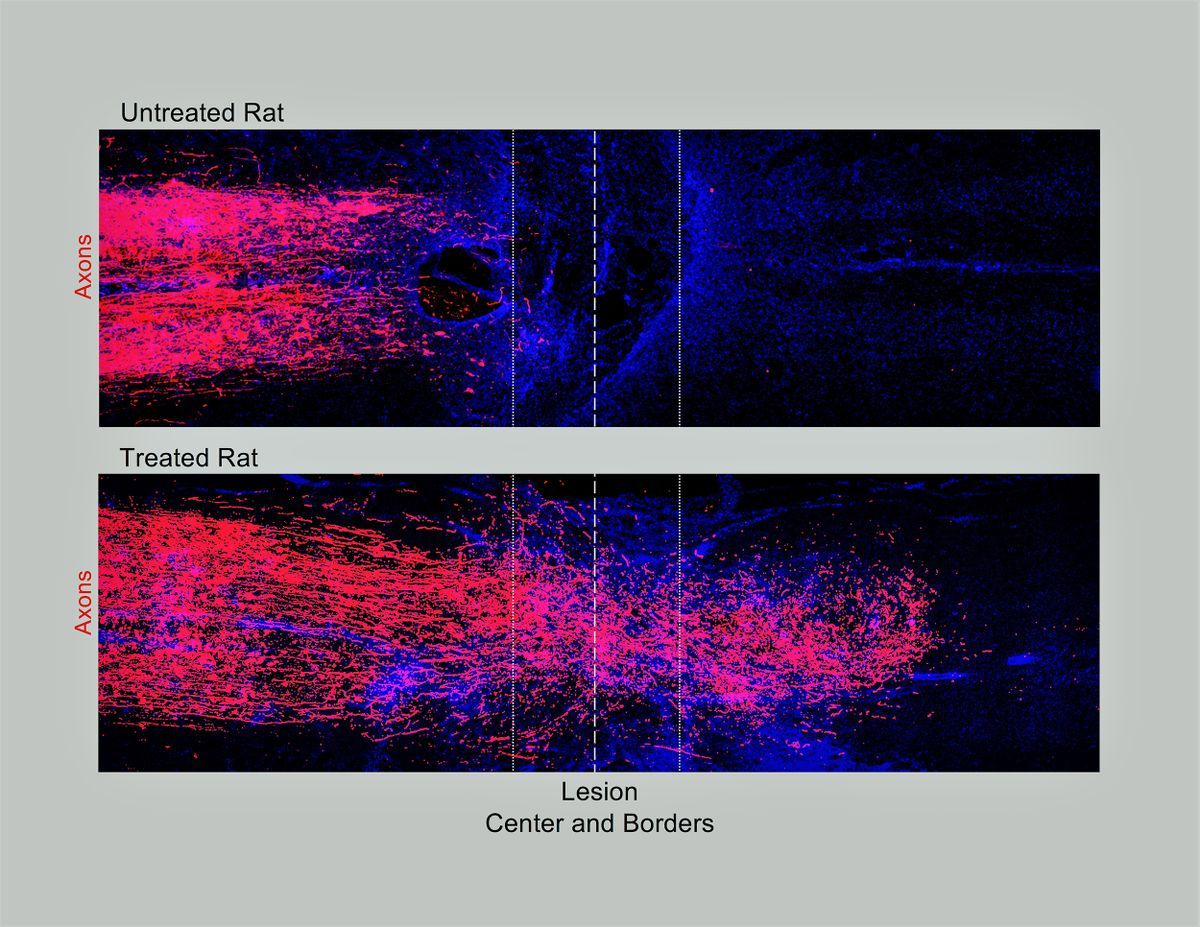
New therapy spurs nerve fibers to regrow through scar tissue, transmit signals after spinal cord injury in rodents
Findings from the UCLA study could lead to new treatments for patients.