Light-sheet fluorescence microscopy could lead to less intrusive and more effective diagnosis for patients.
- By Jonathan Nylk, The Conversation US on May 23, 2018
Light-sheet fluorescence microscopy could lead to less intrusive and more effective diagnosis for patients.
Erik Gatenholm is Co-Founder and CEO here at CELLINK. In 2017, he founded CELLINK to revolutionize the way that we conduct medical research worldwide. He led a workshop at the C2 Montreal conference called “Need a tissue, Bioprinting is the next Medical Revolution”
At C2 Montreal – There was a presentation on bioprinting and Cellink technology. Then there was an activity where people in groups looked at a sample of bioprinted tissue and people worked on exercises of what people thought was possible or preposterous in the future.
There was a forecast of increased tissue engineering enhanced plastic surgery.

Today, as part of our series of articles that cover the Hallmarks of Aging, we are going to take a look at the role of proteins in cellular function and how they play a key role in aging.
Proteins are essential for cellular function
Proteins are large, complex molecules that regulate almost everything in your body, either directly or indirectly. They do the majority of the work in cells and are critical for the function, regulation, and structure of tissues and organs.
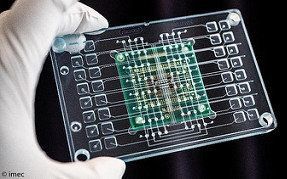
Imec, the world-leading research and innovation hub in nano-electronics and digital technologies, presents this week at its technology forum ITF 2018 (Antwerp, May 23–24), a novel organ-on-chip platform for pharmacological studies with unprecedented signal quality. It fuses imec’s high-density multi-electrode array (MEA)-chip with a microfluidic well plate, developed in collaboration with Micronit Microtechnologies, in which cells can be cultured, providing an environment that mimics human physiology. Capable of performing multiple tests in parallel, the new device aims to be a game-changer for the pharmaceutical industry, offering high quality data in the drug development process.
Every year a handful of new drugs make it to the market, but in their wake tens of thousands of candidate drugs didn’t make the cut. Nevertheless, this journey will have taken a decade and costs billions. The fact that drug development is so time-consuming and costly, is because of the insufficiency of the existing methodologies for drug screening assays. These current assays are based on poor cell models that limit the quality of the resulting data, and result in inadequate biological relevance. Additionally, there is a lack of spatial resolution of the assays, resulting in the inability to screen single cells in a cell culture. Imec’s novel organ-on-chip platform aims to address these shortcomings and challenges.
Imec’s solution packs 16,384 electrodes, distributed over 16 wells, and offers multiparametric analysis. Each of the 1,024 electrodes in a well can detect intracellular action potentials, aside from the traditional extracellular signals. Further, imec’s chip is patterned with microstructures to allow for a structured cell growth mimicking a specific organ.
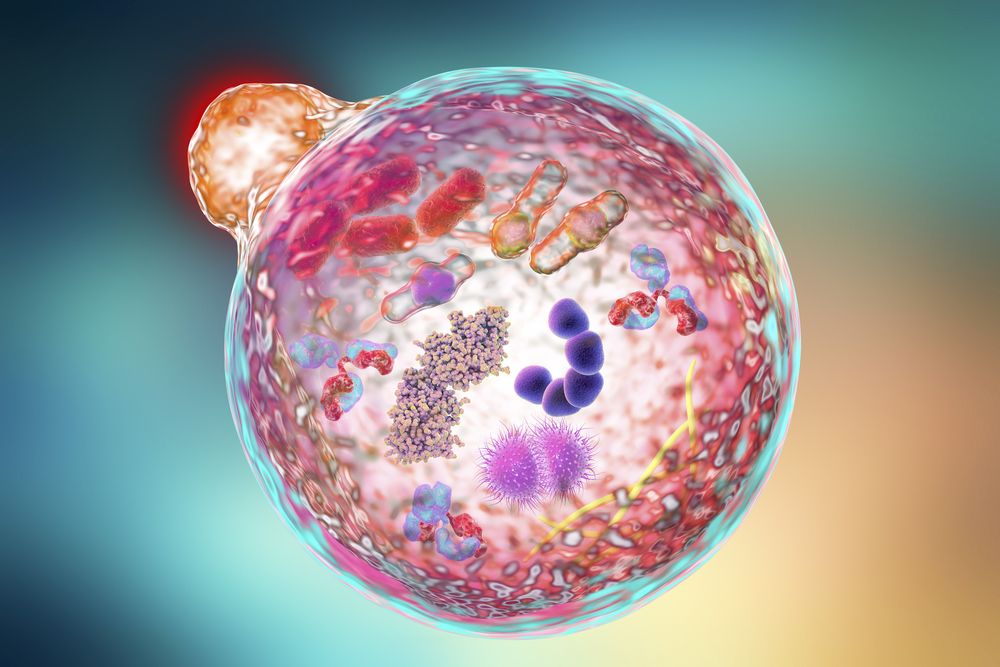
Researchers at Brown University have discovered a way to stimulate cellular autophagy, which is a natural recycling system built into every cell in the body. This has the potential to combat many age-related neurodegenerative diseases.
What is autophagy?
Autophagy means “eating of self” (from Ancient Greek “auto” = self, “phagein” = to devour). Autophagy is how cells break down broken or dysfunctional organelles and proteins in the cell [1,2]. This essentially means that autophagy can consume organelles, such as mitochondria, peroxisomes, and the endoplasmic reticulum, as part of this process. There is also evidence to support that high levels of autophagy are linked to longevity.

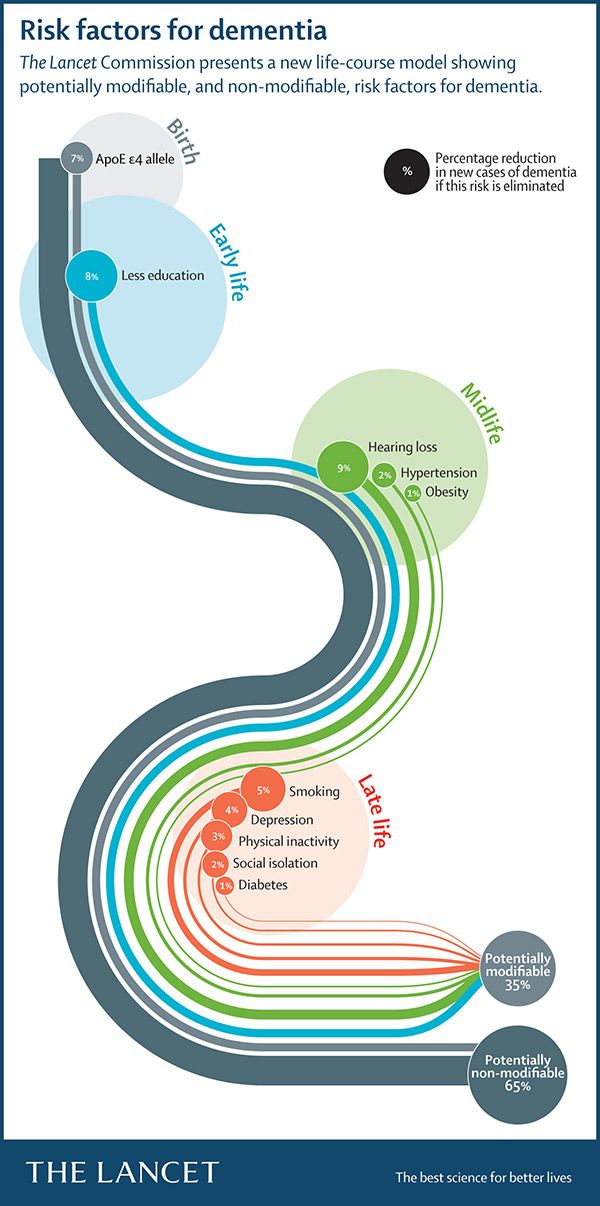
Physical exercise is a key piece of the brain health puzzle, but certainly not a magic pill.
___ Exercise ‘doesn’t slow’ progression of dementia (NHS Choices): A trial in which people with dementia took part in a moderately intense exercise programme for 4 months found their mental decline did not slow and may even have worsened faster than in people who did not take part in the programme…While the exercise.
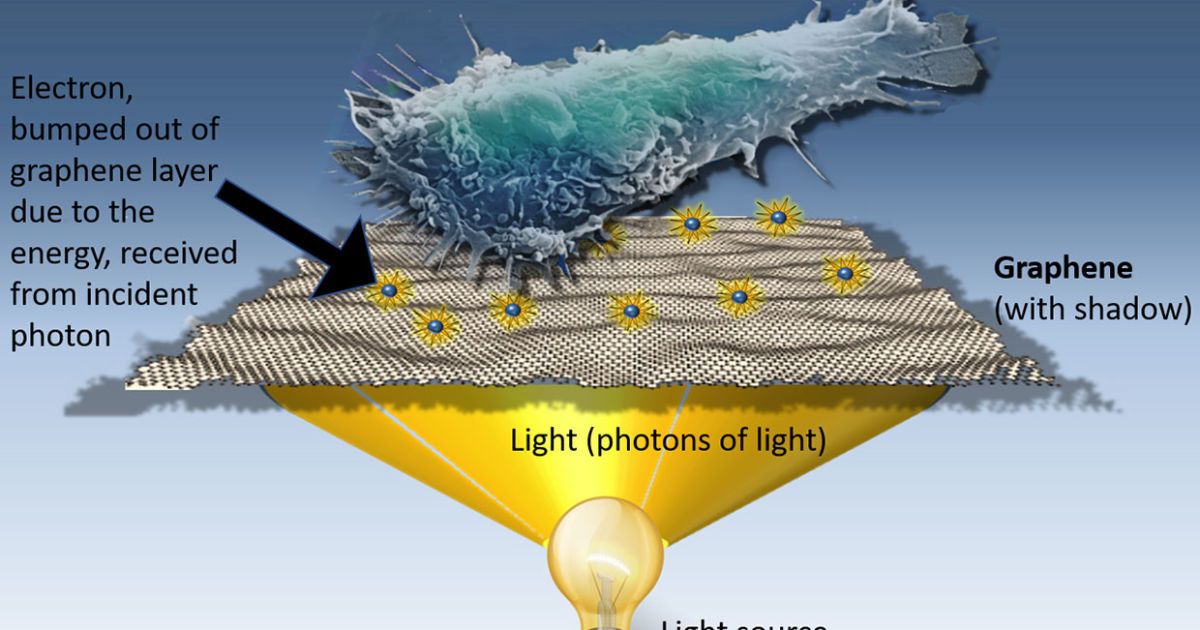
A chance lab discovery is opening up the possibility for wide-scale improvements in drug screening, application of selective painkillers, and selectively nuking cancer cells. The mystery material? Graphene, a semi-metal that’s composed of a single layer of carbon atoms. It’s already being used to make flexible OLED displays and reduce the energy costs of desalination, but its potential benefits for the medical field look promising too.
It began with a theory — scientists at the University of California knew graphene could convert light into electricity, and wondered whether that electricity had the capacity to stimulate human cells. Graphene is extremely sensitive to light (1,000 times more than traditional digital cameras and smartphones) and after experimenting with different light intensities, Alex Savchenko and his team discovered that cells could indeed be stimulated via optical graphene stimulation.
“I was looking at the microscope’s computer screen and I’m turning the knob for light intensity and I see the cells start beating faster,” he said. “I showed that to our grad students and they were yelling and jumping and asking if they could turn the knob. We had never seen this possibility of controlling cell contraction.”