Yale-NUS researchers discover drug cocktail that increases lifespan…
A community of learning, founded by two great universities, in Asia, for the world.
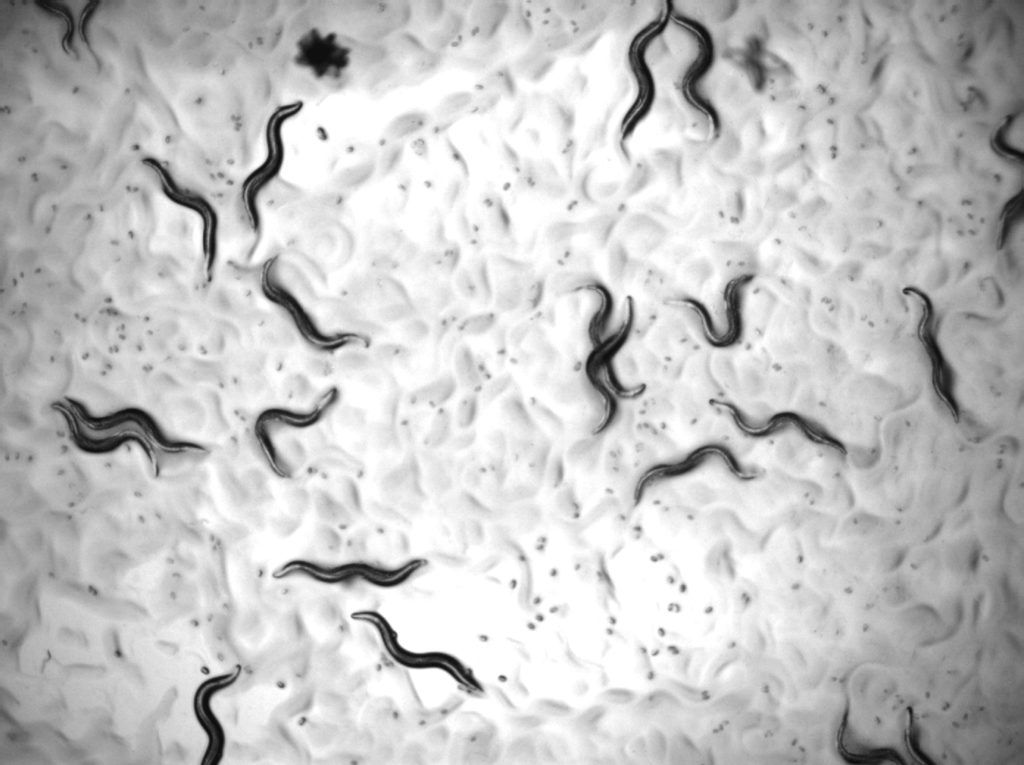
The October Journal Club will be focusing on a new study in worms where a combination of compounds acted in synergy to almost double lifespan.
SUMMARY There is growing interest in pharmacological interventions directly targeting the aging process. Pharmacological interventions against aging should be efficacious when started in adults and, ideally, repurpose existing drugs. We show that dramatic lifespan extension can be achieved by targeting multiple, evolutionarily conserved aging pathways and mechanisms using drug combinations. Using this approach in C. elegans, we were able to slow aging and significantly extend healthy lifespan. To identify the mechanism of these drug synergies, we applied transcriptomics and lipidomics analysis. We found that drug interactions involved the TGF-b pathway and recruited genes related with IGF signaling. daf-2, daf-7, and sbp-1 interact upstream of changes in lipid metabolism, resulting in increased monounsaturated fatty acid content and this is required for healthy lifespan extension. These data suggest that combinations of drugs targeting distinct subsets of the aging gene regulatory network can be leveraged to cause synergistic lifespan benefits.

Evidence has been building in recent years that our diet, our habits or traumatic experiences can have consequences for the health of our children — and even our grandchildren. The explanation that has gained most currency for how this occurs is so-called ‘epigenetic inheritance’ — patterns of chemical ‘marks’ on or around our DNA that are hypothesised to be passed down the generations. But new research from the University of Cambridge suggests that this mechanism of non-genetic inheritance is likely to be very rare.
A second study, also from Cambridge, suggests, however, that one way that environmental effects are passed on may in fact be through molecules produced from the DNA known as RNA that are found in a father’s sperm.
The mechanism by which we inherit innate characteristics from our parents is well understood: we inherit half of our genes from our mother and half from our father. However, the mechanism whereby a ‘memory’ of the parent’s environment and behaviour might be passed down through the generations is not understood.
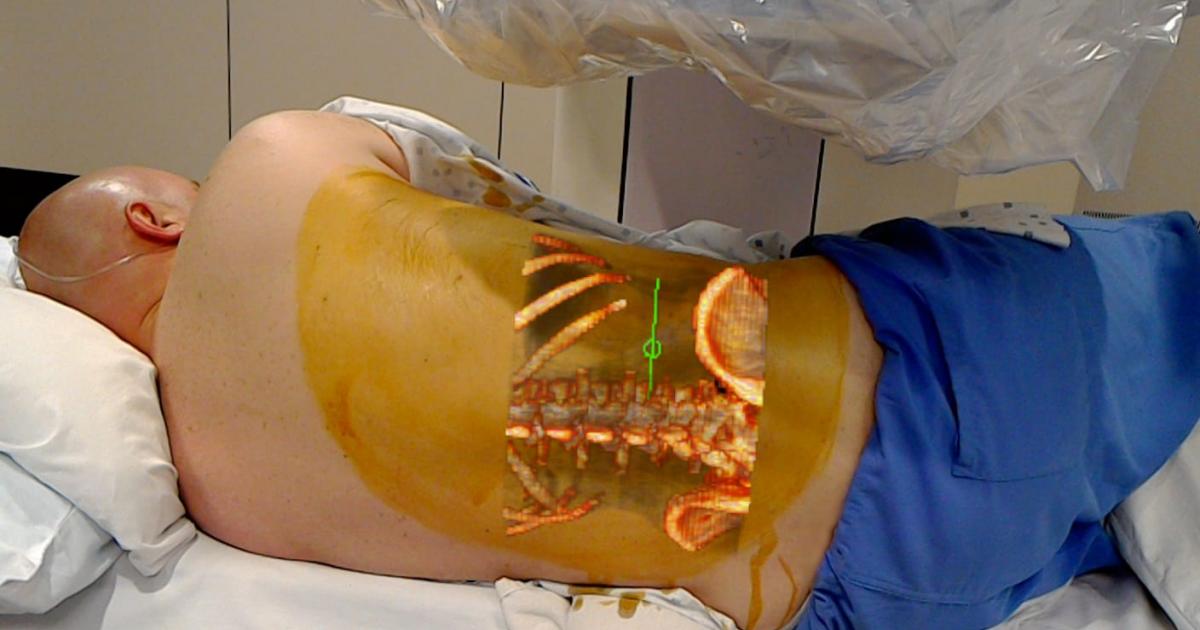
The FDA has recently given 510(k) clearance to the OpenSight Augmented Reality System, the first augmented reality (AR) medical solution for Microsoft HoloLens cleared for use in pre-operative surgical planning.
The technology projects 2D, 3D and 4D images of patients interactively by overlaying them onto the patient’s body, according to a Novarad press release published Oct. 24.
OpenSight specifically utilizes the Microsoft HoloLens headset that allows simultaneous visualization of the 3D patient images in AR and the actual patient and their real-world surroundings. The technique may decrease operative times and improve surgical planning and the understanding of anatomic relationships.


An Edmonton man battling a rare blood cancer is scheduled to have a potentially life-saving stem cell transplant later this week.
Bille Nguyen is set to receive his transplant in Calgary on Thursday, one day after his sister Susan donates her stem cells.