Two-thirds of all cancers are caused by DNA replication errors, according to Johns Hopkins researchers. But don’t light a celebratory cigarette just yet.
Category: biotech/medical – Page 3,317



Replacing fertilizer with plant probiotics could slash greenhouse gases
Pivot Bio just got a $70 million infusion from Bill Gates’s energy fund and other investors to launch its commercial product next year.
The science: The biotechnology company, based in Berkeley, California, is creating probiotics for plants. The firm’s researchers have identified microbes with a dormant ability to produce nitrogen, a crucial nutrient in synthetic fertilizer, and engineered them to reawaken and enhance it. For its initial product, Pivot Bio has created a liquid treatment for corn crops that can be applied when the seeds are planted.
The sell: In early field tests, patches treated with the microbes produce comparable yields to those relying on synthetic fertilizers. Pivot Bio’s pitch to farmers is that the product reduces work and complexity, because a single application takes less time than spraying multiple rounds of fertilizer.

Forcing Cancer to Put up a Broken Shield
A new discovery might make immunotherapy applicable to more patients.
Led by Dr. Alicja Copik, scientists at the University of Central Florida College of Medicine have discovered that it might be possible to make cancer immunotherapy work for a larger portion of patients by employing PM21-activated natural killer (PM21-NK) cells [1].
Study abstract
Anti-PD-1/anti-PD-L1 therapies have shown success in cancer treatment but responses are limited to ~ 15% of patients with lymphocyte infiltrated, PD-L1 positive tumors. Hence, strategies that increase PD-L1 expression and tumor infiltration should make more patients eligible for PD-1/PD-L1 blockade therapy, thus improving overall outcomes. PD-L1 expression on tumors is induced by IFNγ, a cytokine secreted by NK cells. Therefore, we tested if PM21-particle expanded NK cells (PM21-NK cells) induced expression of PD-L1 on tumors and if anti-PD-L1 treatment enhanced NK cell anti-tumor efficacy in an ovarian cancer model. Studies here showed that PM21-NK cells secrete high amounts of IFNγ and that adoptively transferred PM21-NK cells induce PD-L1 expression on SKOV-3 cells in vivo. The induction of PD-L1 expression on SKOV-3 cells coincided with the presence of regulatory T cells (Tregs) in the abdominal cavity and within tumors.
Translating Aging Research – Ending Age-Related Diseases 2018 Panel
Today, we have another video from our Ending Age-Related Diseases 2018 conference, which was held earlier this year at the Cooper Union in New York City. The conference was designed to bring the worlds of research and investment together in one place and explore the progress and challenges that the industry faces in developing and funding therapies to end age-related disease.
This was the second panel during the conference and featured Dr. Aubrey de Grey of the SENS Research Foundation, Keith Comito of Lifespan.io, Dr. James Peyer of Apollo Ventures, Dr. Mark Hammond of Deep Science Ventures, Joe Betts Lacroix of Y Combinator and Vium, Dr. Oliver Medvedik of Lifespan.io and The Cooper Union, and Ramphis Castro of ScienceVest.
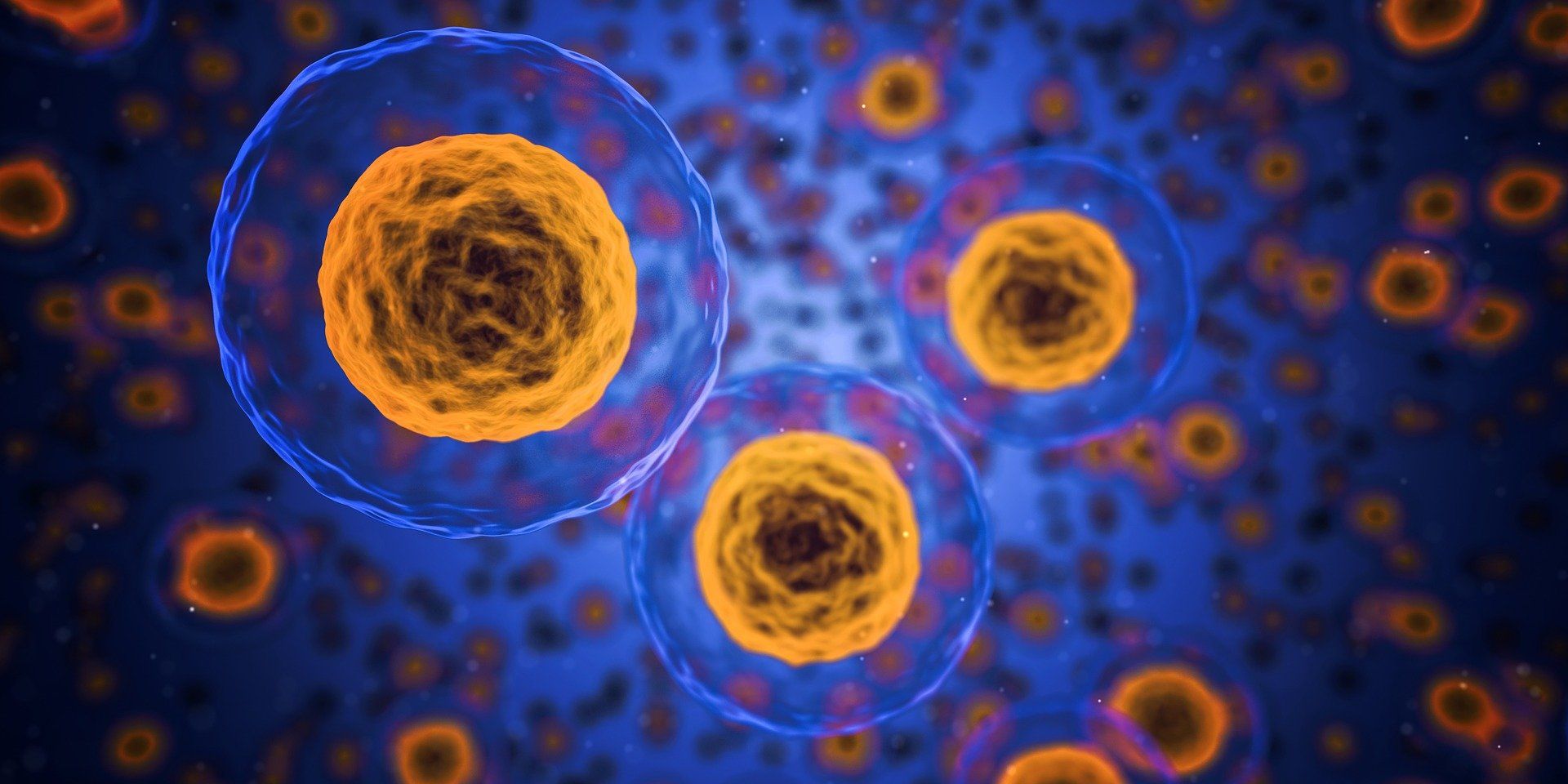
Researchers discover how to slow aging
Previous research published earlier this year in Nature Medicine involving University of Minnesota Medical School faculty Paul D. Robbins and Laura J. Niedernhofer and Mayo Clinic investigators James L. Kirkland and Tamara Tchkonia, showed it was possible to reduce the burden of damaged cells, termed senescent cells, and extend lifespan and improve health, even when treatment was initiated late in life. They now have shown that treatment of aged mice with the natural product Fisetin, found in many fruits and vegetables, also has significant positive effects on health and lifespan.
As people age, they accumulate damaged cells. When the cells get to a certain level of damage they go through an aging process of their own, called cellular senescence. The cells also release inflammatory factors that tell the immune system to clear those damaged cells. A younger person’s immune system is healthy and is able to clear the damaged cells. But as people age, they aren’t cleared as effectively. Thus they begin to accumulate, cause low level inflammation and release enzymes that can degrade the tissue.
Robbins and fellow researchers found a natural product, called Fisetin, reduces the level of these damaged cells in the body. They found this by treating mice towards the end of life with this compound and see improvement in health and lifespan. The paper, “Fisetin is a senotherapeutic that extends health and lifespan,” was recently published in EBioMedicine.
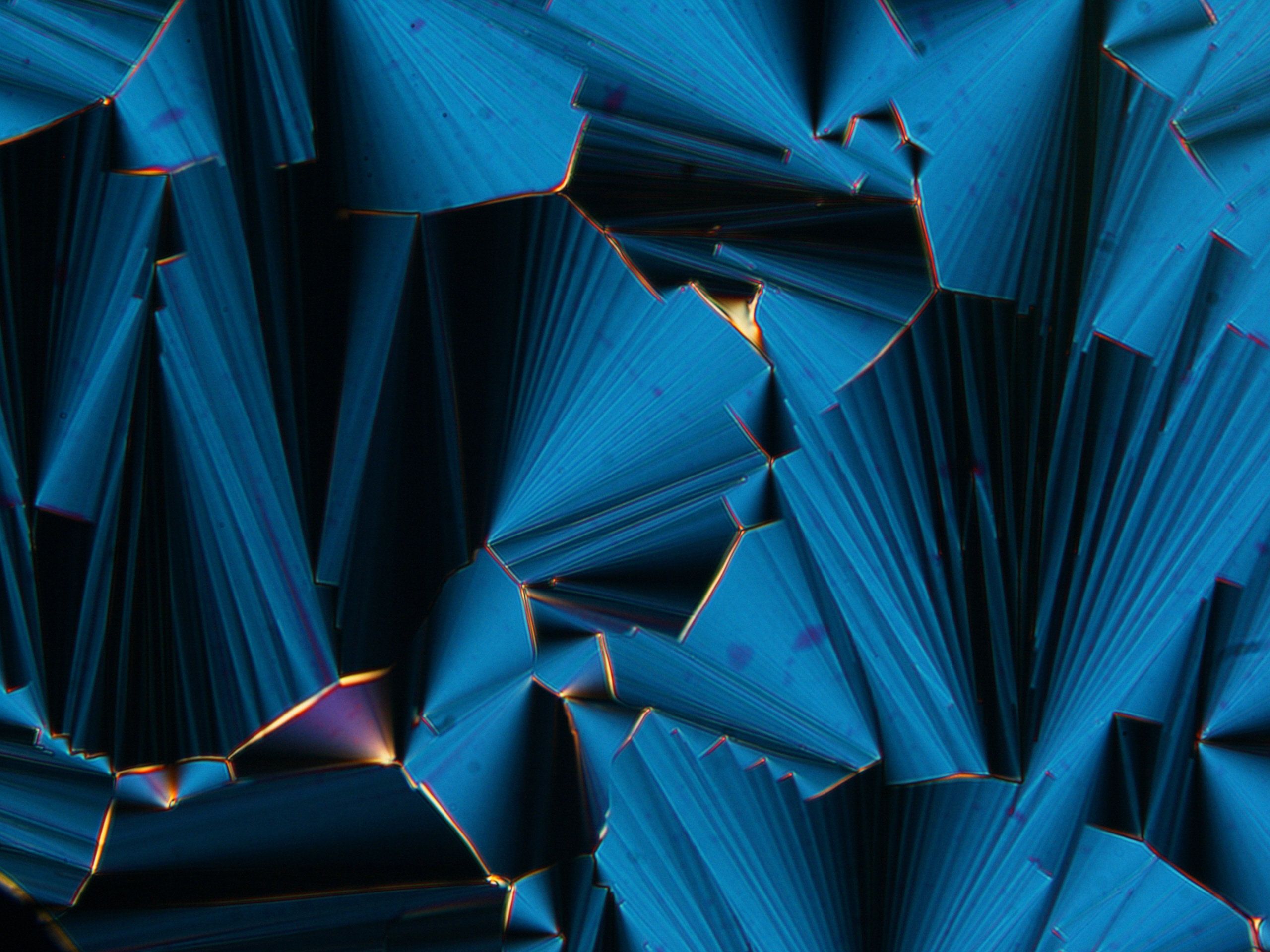
Liquid crystals and the origin of life
The display screens of modern televisions, cell phones and computer monitors rely on liquid crystals—materials that flow like liquids but have molecules oriented in crystal-like structures. However, liquid crystals may have played a far more ancient role: helping to assemble Earth’s first biomolecules. Researchers reporting in ACS Nano have found that short RNA molecules can form liquid crystals that encourage growth into longer chains.
Scientists have speculated that life on Earth originated in an “RNA world,” where RNA fulfilled the dual role of carrying genetic information and conducting metabolism before the dawn of DNA or proteins. Indeed, researchers have discovered catalytic RNA strands, or “ribozymes,” in modern genomes. Known ribozymes are about 16–150 nucleotides in length, so how did these sequences assemble in a primordial world without existing ribozymes or proteins? Tommaso Bellini and colleagues wondered if liquid crystals could help guide short RNA precursors to form longer strands.
To find out, the researchers explored different scenarios under which short RNAs could self-assemble. They found that at high concentrations, short RNA sequences (either 6 or 12 nucleotides long) spontaneously ordered into liquid crystal phases. Liquid crystals formed even more readily when the researchers added magnesium ions, which stabilized the crystals, or polyethylene glycol, which sequestered RNA into highly concentrated microdomains. Once the RNAs were held together in liquid crystals, a chemical activator could efficiently join their ends into much longer strands. This arrangement also helped avoid the formation of circular RNAs that could not be lengthened further. The researchers point out that polyethylene glycol and the chemical activator would not be found under primordial conditions, but they say that other molecular species could have played similar, if less efficient, roles.
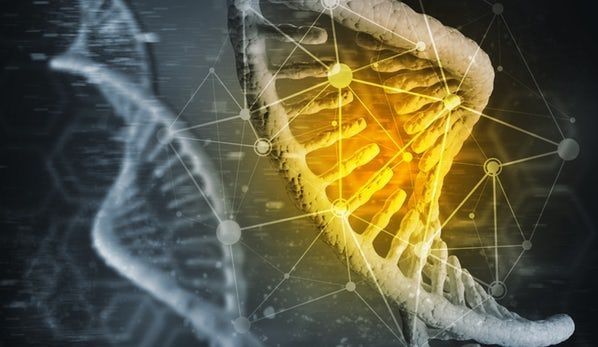
Controversial study suggests child abuse may leave a detectable DNA biomarker
The field of epigenetics sits precariously on the precipice of the classic nature versus nurture debate. Instead of a simple environment versus genetics dichotomy, epigenetic examines how specific genes are either switched on or off through external forces encountered in a person’s lifetime. Striking new research from scientists at the University of British Columbia and Harvard University is suggesting that adults who were victims of abuse as children may carry an imprint of that trauma in regions of their DNA.