Toggle light / dark theme

Researchers May Have Found A Possible Cure For Crohn’s Disease

Crohn’s Disease is a legendarily difficult disease to not only identify but to treat or cure. The disease affects the intestines and digestive tract, stemming from bacteria in those areas building up and leading to serious side effects. It affects more than half a million people in the United States and is brutal – with the possibility of diarrhea, weight loss, fatigue, ulcers, malnutrition, and eventually colon cancer, liver disease or osteoporosis.

Treatment is limited, with the current best options being medicine to limit inflammation and prevent symptoms. There is no complete cure, only efforts to make life as comfortable and normal as possible for those afflicted. Without a specific target at which to aim some sort of treatment, the options for permanently reducing or removing symptoms and health risks are few and far between. Before now, the only thing scientists thought they knew about the disease’s cause was that E Coli was involved.

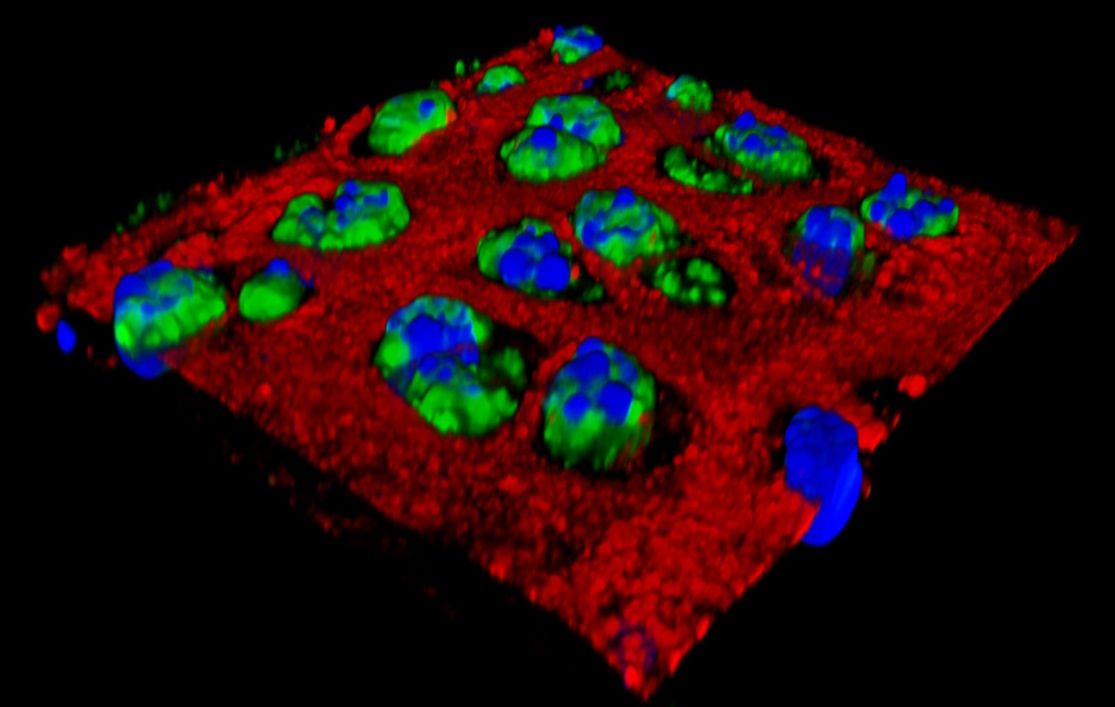
However, recent studies have led researches to believe that they have narrowed down other bacteria that contributes to the onset and ongoing symptoms of Crohn’s. Experts at the Center for Medical Mycology at Case Western Reserve and University Hospitals Cleveland Medical Center (wow, is that a mouthful!) think they have pinpointed two additional bacterial strains that contribute to the disease. They studied a cross section of people – those with the disease, those with the disease whose family members did not have it, and those without it – to attempt to identify common details in their biological tests. Such a diverse group of subjects is required not only due to the importance of adhering to the scientific method but because Crohn’s can be caused by genetics and environmental factors.


Nanoparticle injections may be future of osteoarthritis treatment

Osteoarthritis is a debilitating condition that affects at least 27 million people in the United States, and at least 12 percent of osteoarthritis cases stem from earlier injuries. Over-the-counter painkillers, such as anti-inflammatory drugs, help reduce pain but do not stop unrelenting cartilage destruction. Consequently, pain related to the condition only gets worse.

Now, researchers at Washington University School of Medicine in St. Louis have shown that they can inject into injured joints in mice and suppress inflammation immediately following an injury, reducing the destruction of cartilage.

The findings are reported online Sept. 26 in the early edition of the Proceedings of the National Academy of Sciences.

Mobile breath analyzer checks oral hygiene on the go

These days there are a quite a few high-tech ways to keep our oral hygiene in check, from toothbrushes that track your technique to smart floss dispensers that encourage healthy habits. Mint is the latest connected solution to hit bathrooms and beyond, and is said to detect signs of gum disease and poor oral hygiene on your breath in the space of a few seconds.

Developed by Breathometer, the same company behind the smartphone-based breathalyzer we covered back in 2013, Mint is small handheld device that hooks up with iOS and Android smartphones to check in on the state of affairs inside your mouth. After a successful Indiegogo campaign in March 2015 and some good attention at the CES conference that same year, the device has finally started shipping today.

A sensor array inside the device measures the volatile sulfur compounds (VSCs) in your breath. Studies have shown these to be key culprits behind bad breath, but their presence might do more than send your significant other running in the other direction. They can also be indicative of gum disease and poor oral health.

Cancer cells’ stealth mechanism uncovered

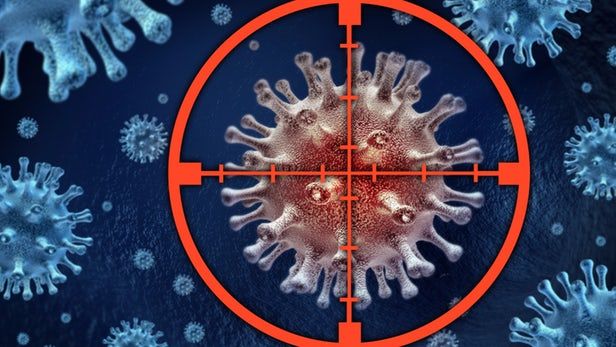
When a malignant tumor invades the body, immune cells rush to the site to begin to fight it. When that same tumor spreads throughout the body, however, the cancer cells become invisible to our immune systems and can metastasize unencumbered by our natural defenses. Researchers out of the University of British Columbia (UBC) are on to cancer’s tricky cloaking mechanism though, and their discovery could lead to new approaches to attacking the disease.

“We discovered a new mechanism that explains how metastatic tumours can outsmart the immune system and we have begun to reverse this process so tumours are revealed to the immune system once again,” said Wilfred Jefferies, senior author of a new study in Scientific Reports and a professor of medical genetics and microbiology and immunology at UBC.

The discovery hinges on a protein called interleukein-33, or IL-33 that’s present in primary tumors. When the tumors emit this protein, it causes another protein complex known as the major histocompatibility complex (MHC) to activate, which tags the cancer cells as a bad presence in the body and guides the immune system to get to work destroying them.

Scientists put a new twist on artificial muscles

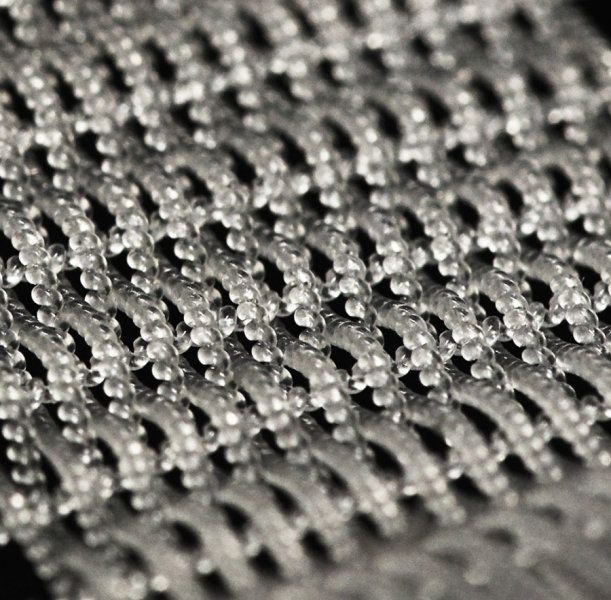
In a perspective article published Sept. 26 online in the Proceedings of the National Academy of Sciences, a team of scientists at UT Dallas’ Alan G. MacDiarmid NanoTech Institute describes the path to developing a new class of artificial muscles made from highly twisted fibers of various materials, ranging from exotic carbon nanotubes to ordinary nylon thread and polymer fishing line.

Because the artificial muscles can be made in different sizes and configurations, potential applications range from robotics and prosthetics to consumer products such as smart textiles that change porosity and shape in response to temperature.

“We call these actuating fibers ‘artificial muscles’ because they mimic the fiber-like form-factor of natural muscles,” said Dr. Carter Haines, associate research professor in the NanoTech Institute and co-lead author of the PNAS article, with research associate Dr. Na Li. “While the name evokes the idea of humanoid robots, we are very excited about their potential use for other practical applications, such as in next-generation intelligent textiles.” Science Based on Ancient Art.

MIT: Powering up graphene implants without frying cells ~ For the Next Generation of Implants

This computational illustration shows a graphene network structure below a layer of water.

Image: Zhao Qin

New analysis finds way to safely conduct heat from graphene to biological tissues.

In the future, our health may be monitored and maintained by tiny sensors and drug dispensers, deployed within the body and made from graphene — one of the strongest, lightest materials in the world. Graphene is composed of a single sheet of carbon atoms, linked together like razor-thin chicken wire, and its properties may be tuned in countless ways, making it a versatile material for tiny, next-generation implants.

/* */