Toggle light / dark theme

Microsoft making progress on quantum computer ‘every day’

Microsoft is “all-in” on building a quantum computer and is making advancements “every day”, according to one of the company’s top experts on the technology.

Julie Love (above), Director of Quantum Computing, called the firm’s push to build the next generation of computer technology “one of the biggest disruptive bets we have made as a company”.

Quantum computing has the potential to help humans tackle some of the world’s biggest problems in areas such as materials science, chemistry, genetics, medicine and the environment. It uses the physics of qubits to create a way of computing that can work on specific kinds of problems that are impossible with today’s computers. In theory, a problem that would take today’s machines billions of years to solve could be completed by a quantum computer in minutes, hours or days.

Gene Therapy Repairs Spinal Cord Damage In Formerly Paralyzed Rats

A team of European scientists believes that their gene therapy research could prove to be a life-changing option for individuals who suffer from spinal cord injuries.

A research team from King’s College in London has taken a giant step toward helping paralyzed individuals regain “control of their hands.” In a recent experiment, the scientists have had success repairing spinal cord damage in rats using gene therapy.

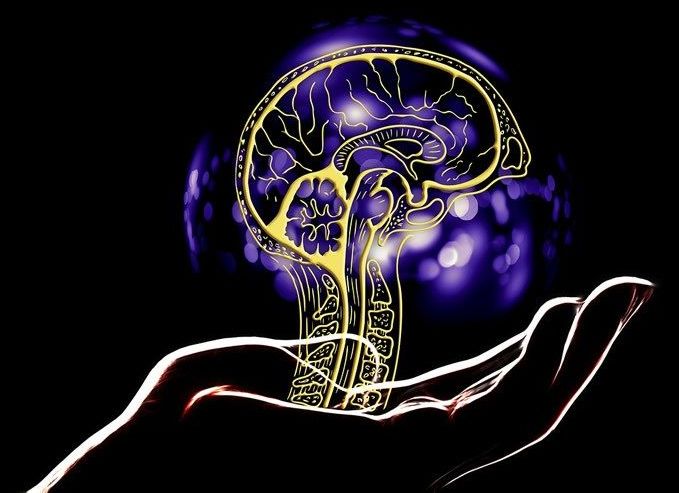
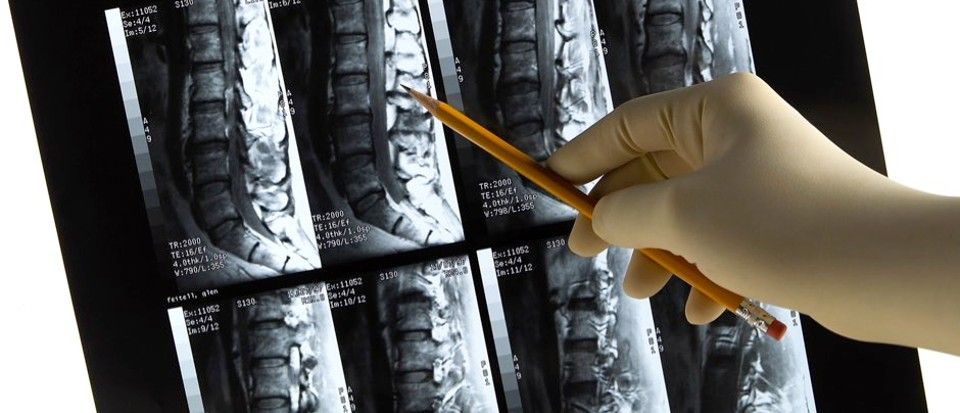
The spinal cord is a cylindrical tube of nerve fibers and connected tissue that is enclosed within the spine. It carries instructions to virtually every part of the body, forming the central nervous system.

Pioneering Stem Cell Trial Seeks to Cure Babies Before Birth

Even before she was born, Elianna Constantino had already cheated death.

Elianna has a rare inherited blood disorder called alpha thalassemia major, which prevents her red blood cells from forming properly. The disease, which has no cure, is usually fatal for a developing fetus.

But while still in her mother’s womb, Elianna received a highly daring treatment. Doctors isolated healthy blood stem cells from her mother and injected them through a blood vessel that runs down the umbilical cord. Four months later, Elianna was born with a loud cry and a glistening head of hair, defying all medical odds.

How microgrids could boost resilience in New Orleans

During Hurricane Katrina and other severe storms that have hit New Orleans, power outages, flooding and wind damage combined to cut off people from clean drinking water, food, medical care, shelter, prescriptions and other vital services.

In a year-long project, researchers at Sandia and Los Alamos national laboratories teamed up with the City of New Orleans to analyze ways to increase community resilience and improve the availability of critical lifeline services during and after severe weather.

The team used historical hurricane scenarios to model how storms cause localized flooding, disrupt the electrical system and cut off parts of the community from lifeline services. Sandia researchers then developed a tool to analyze and identify existing clusters of businesses and community resources in areas less prone to inundation—such as gas stations, grocery stores and pharmacies that could be outfitted with microgrids to boost resilience.

Hypertension Is Often Self-Inflicted and Somewhat Reversible

Hypertension is an increasingly encountered condition in modern society, as sedentary lifestyles, poor diet, and other unhealthy lifestyle choices are becoming more prevalent.

The aging processes generally cause our blood pressure to rise, as they steadily clog our arteries, stiffen blood vessels, and cause our hearts to work harder to get blood to all our tissues. However, the rate at which this happens is subject to a great deal of variation, and diet and lifestyle are two big influences on this. At least initially, hypertension is frequently self-inflicted and something that we can reverse to a certain extent, as a new study shows.

Researchers have recently demonstrated that a program seeking to help people change their lifestyles through diet and exercise was almost as effective as some medications for reducing blood pressure.

Why a DNA data breach is much worse than a credit card leak

As the Equifax hack last year showed, there’s a lack of legislation governing what happens to data from a breach. And ultimately, a breach of genetic data is much more serious than most credit breaches. Genetic information is immutable: Vigna points out that it’s possible to change credit card numbers or even addresses, but genetic information cannot be changed. And genetic information is often shared involuntarily. “Even if I don’t use 23andMe, I have cousins who did, so effectively I may be genetically searchable,” says Ram. In one case, an identical twin having her genetic data sequenced created a tricky situation for her sister.


This week, DNA testing service MyHeritage revealed that hackers had breached 92 million of its accounts. Though the hackers only accessed encrypted emails and passwords — so they never reached the actual genetic data — there’s no question that this type of hack will happen more frequently as consumer genetic testing becomes more and more popular. So why would hackers want DNA information specifically? And what are the implications of a big DNA breach?

One simple reason is that hackers might want to sell DNA data back for ransom, says Giovanni Vigna, a professor of computer science at UC Santa Barbara and co-founder of cybersecurity company Lastline. Hackers could threaten to revoke access or post the sensitive information online if not given money; one Indiana hospital paid $55,000 to hackers for this very reason. But there are reasons genetic data specifically could be lucrative. “This data could be sold on the down-low or monetized to insurance companies,” Vigna adds. “You can imagine the consequences: One day, I might apply for a long-term loan and get rejected because deep in the corporate system, there is data that I am very likely to get Alzheimer’s and die before I would repay the loan.”

MyHeritage doesn’t offer health or medical tests, but many companies, like 23andMe and Helix, do. And there are plenty of players interested in DNA: researchers want genetic data for scientific studies, insurance companies want genetic data to help them calculate the cost of health and life insurance, and police want genetic data to help them track down criminals, like in the recent Golden State Killer case. Already, we lack robust protections when it comes to genetic privacy, and so a genetic data breach could be a nightmare. “If there is data that exists, there is a way for it to be exploited,” says Natalie Ram, a professor of law focusing on bioethics issues at the University of Baltimore.

/* */