Toggle light / dark theme

Why don’t we just stop the aging process?

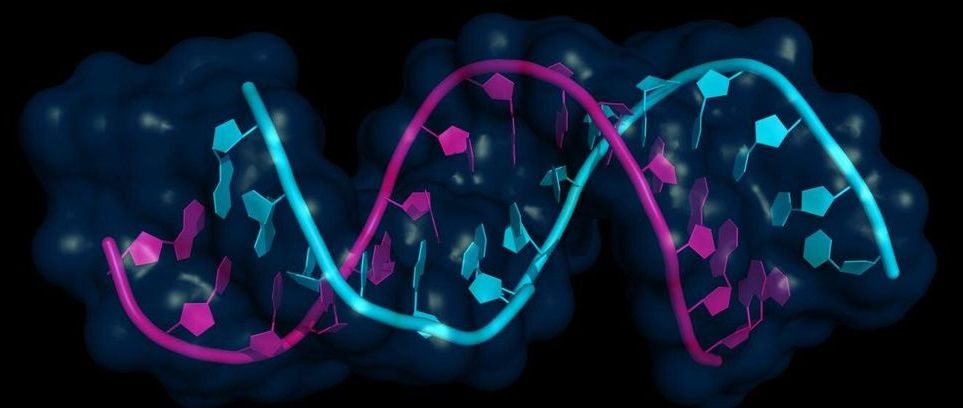
A team of scientists at the University of Antwerp (Belgium) wants to stop the aging process. They are fascinated by uncovering longevity signatures at the tiny molecular level and are developing an intelligent nanomachine that lays the foundations for new therapies against aging and chronic diseases. Only ten conditions cause 75% of all mortalities. The top three of cardiovascular disease, diabetes, and cancer accounts for 50% of all mortalities. Are these chronic diseases age-related? Can we address them by targeting aging?

Caloric Restriction Restores Myelinating Cell Populations

A recent study published in Cell Stem Cell shows that fasting and metformin are effective in a mouse model of demyelination, which is caused in humans by such disorders as multiple sclerosis.

Myelin, demyelination, and remyelination

Myelin, a substance rich in beneficial proteins and fats, is an insulator and protector of nerve cells and helps nerve cells to conduct messages to one another.

More polio cases now caused by vaccine than by wild virus

LONDON (AP) — Four African countries have reported new cases of polio linked to the oral vaccine, as global health numbers show there are now more children being paralyzed by viruses originating in vaccines than in the wild.

In a report late last week, the World Health Organization and partners noted nine new polio cases caused by the vaccine in Nigeria, Congo, Central African Republic and Angola. Seven countries elsewhere in Africa have similar outbreaks and cases have been reported in Asia, including the two countries where polio remains endemic, Afghanistan and Pakistan.

In rare cases, the live virus in oral polio vaccine can mutate into a form capable of sparking new outbreaks. All the current vaccine-derived polio cases have been sparked by a Type 2 virus contained in the vaccine. Type 2 wild virus was eliminated years ago.

DNA Testing: The Disconnect Between Patients and Researchers | WSJ

As genetic sequencing becomes more widespread, a disconnect is emerging between what individual patients expect to get back and what scientists are willing and able to tell them. WSJ visited MIT’s Broad Institute to learn about the murky world of genomic research data.

Photo: angela weiss/afp via getty images

More from the Wall Street Journal:
Visit WSJ.com: http://www.wsj.com
Visit the WSJ Video Center: https://wsj.com/video

On Facebook: https://www.facebook.com/pg/wsj/videos/
On Twitter: https://twitter.com/WSJ
On Snapchat: https://on.wsj.com/2ratjSM

#WSJ #DNA #Genetics

Bacteria farms produce natural sugar safe for diabetics and teeth

Sugar poses one of the most pressing health problems in the modern world – not least because it’s just so delicious. Rather than quitting sweets cold turkey, low-calorie alternatives to sucrose could make tasty treats that are at least less bad for us. And now, researchers from Tufts University have developed a more efficient method for producing one such sweetener, using farms of bacteria.

The sugar in question is called tagatose, which the FDA says is “generally regarded as safe.” It’s 92 percent as sweet as sucrose – regular old table sugar – but because the human digestive system doesn’t metabolize as much of it, it only has 38 percent of the calories. That, in turn, means tagatose has a much smaller effect on blood glucose and insulin, making it safe for diabetics. And to cap it off, tests show that it doesn’t contribute to cavities or tooth decay.

But, of course, there’s a catch – tagatose is a little complicated to produce. Normally, it’s done by hydrolyzing lactose to make galactose, which is then isomerized into tagatose, which then needs to be purified and crystallized into a solid, usable form. Yields from this process are low, at less than 30 percent.

Could Humanity Reach “Life 3.0”?

When you hear the word “cyborg,” scenes from the 1980s films RoboCop or The Terminator might spring to mind. But the futuristic characters made famous in those films may no longer be mere science fiction. We are at the advent of an era where digital technology and artificial intelligence are moving more deeply into our human biological sphere. Humans are already able to control a robotic arm with their minds. Cyborgs —humans whose skills and abilities exceed those of others because of electrical or mechanical elements built into the body —are already among us.

But innovators are pushing the human-machine boundary even further. While prosthetic limbs are tied in with a person’s nervous system, future blends of biology and technology may be seen in computers that are wired into our brains.

Our ability to technologically enhance our physical capabilities—the “hardware” of our human systems, you could say—will likely reshape our social world. Will these changes bring new forms of dominance and exploitation? Will unaltered humans be subjected to a permanent underclass or left behind altogether? And what will it mean to be human—or will some of us be more than human?

/* */