Researchers develop LinCx, a biological “wire” that creates precision electrical bypasses in the brain to restore function without drugs or external stimulation.


The relationship between sleep and disease suggests that there exists a connection between the brain and the body that extends beyond merely influencing the brain itself.
Among brain-related disorders, short sleep was significantly associated with depressive episodes and anxiety disorders, as seen in other studies of sleep and mental health. Short sleep was also associated with obesity, type 2 diabetes, hypertension, ischemic heart disease, and heart arrhythmias.
Short and long sleep were associated with chronic obstructive pulmonary disease, asthma, and a cluster of digestive disorders, including gastritis and gastroesophageal reflux disease.

Scientists exploring deep underwater canyons off the coast of Western Australia uncovered a hidden world packed with bizarre and elusive marine life — including signs of the legendary giant squid. By analyzing traces of DNA floating in seawater from depths exceeding 4 kilometers, researchers identified 226 species ranging from deep-diving whales to strange fish rarely or never seen in the region before. Some of the creatures may even be unknown to science.
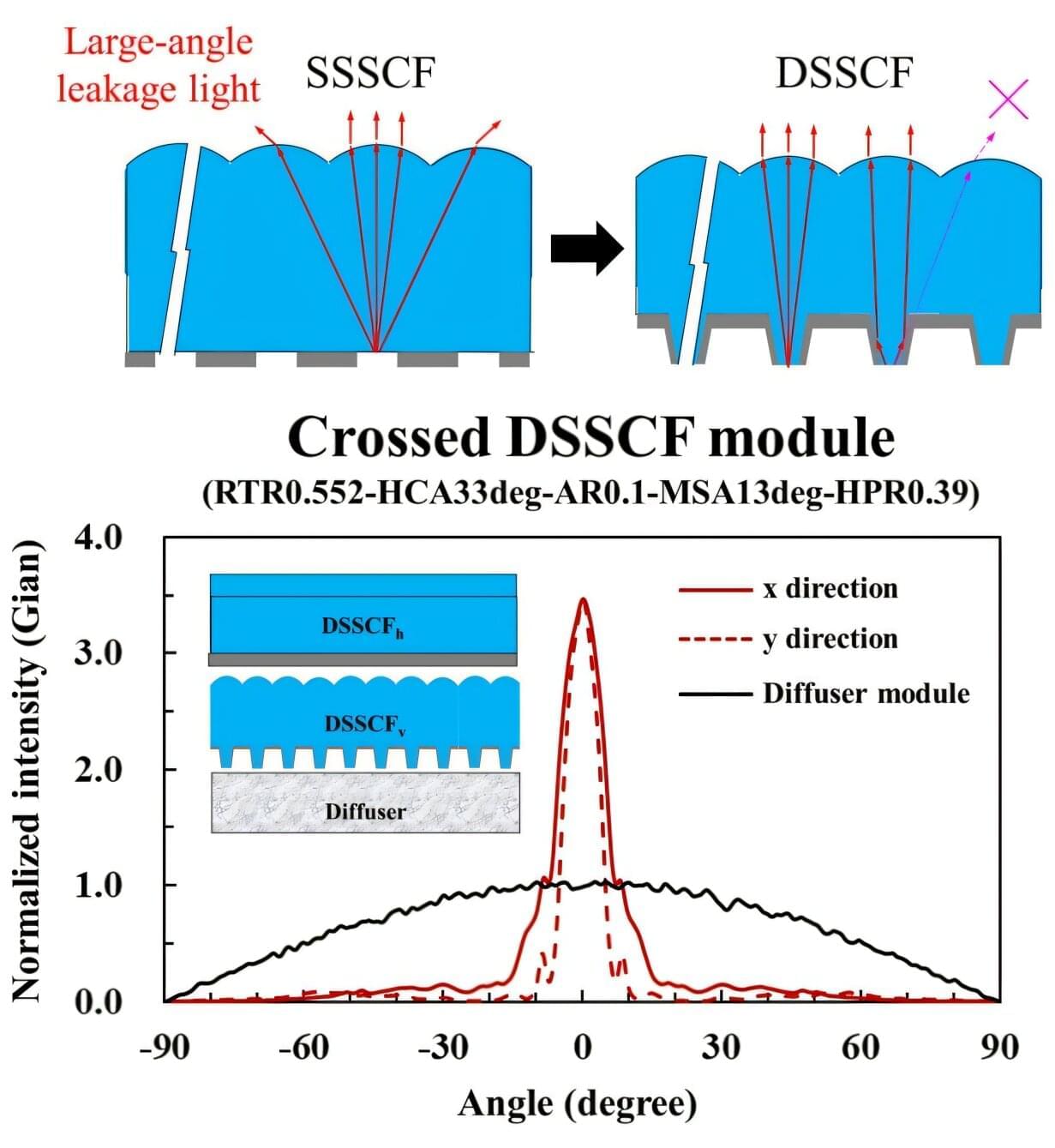
Researchers have developed an ultra-thin optical film that improves the quality of the light used in LCD resin-based 3D printers. The advance helps ensure that tiny details are reproduced with precision, which could make it possible to 3D-print medical-grade or industrial-grade products at a lower cost.
Resin-based 3D printing, or vat photopolymerization, uses short-wavelength light to project patterns onto liquid photosensitive resin. Although this additive manufacturing approach enables highly detailed, smooth parts, some low-cost systems rely on LCD backlights that can reduce printing accuracy.
“LCD-based liquid 3D printing suffers from surface roughness or dimensional inaccuracies due to improper light angular distribution from the backlight systems used,” said research team leader Ding-Zheng Lin from National Taiwan University of Science and Technology. “Our goal was to fix these problems without increasing equipment size, thereby elevating print performance to professional grade.”

A new way of using umbilical cord blood for treating blood diseases could make the treatment more accessible to patients who need a stem cell transplant. A Phase II clinical trial of patients undergoing a cord blood transplant plus a stem cell product derived from pooled cord blood units showed that 27 of 28 patients (96%) with leukemias and GVHD survived at least one year and none of the patients experienced severe acute or chronic graft-versus-host disease, which are common complications of stem cell transplantation.
The results have been published in the Journal of Clinical Oncology.
“This is the first time transplant patients received cells from what amounts to nine different human beings,” said the study’s principal investigator, Filippo Milano, MD, Ph.D., who is first author of the study and directs the Cord Blood Program at Fred Hutch Cancer Center.

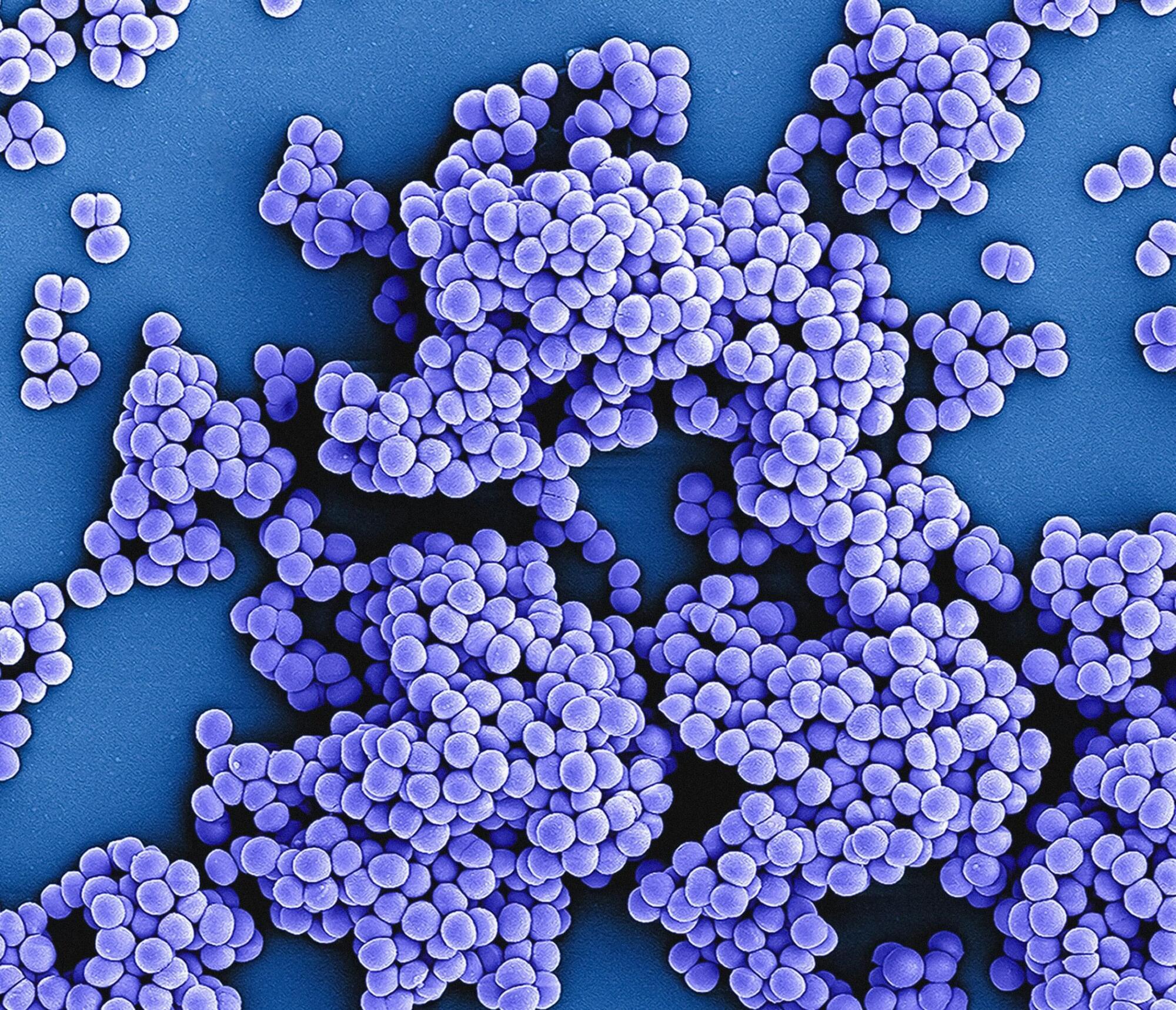
Alternative therapies that aid the body’s immune system to fight bacteria have shown promise in addressing the global threat of antibiotic resistance. University of Queensland researchers have found when under attack, the body’s immune cells activate a cellular process called mitochondrial fission to kill invading bacteria. Their study is published in the journal Science Immunology.
Dr. James Curson, from UQ’s Institute for Molecular Bioscience, said mitochondrial fission was a critical process in which mitochondria within cells split into smaller units to support the body’s response to stresses, including infections.
“Some bacteria have evolved strategies to stop activation of the mitochondrial fission process—allowing the invading pathogens to survive, and the infection to persist,” Dr. Curson said.
Abeliovich et al. make a compelling case for the promise of using gene therapy to treat Parkinson’s disease (PD) patients who possess mutations in the GBA1 gene. People interested in the clinical-translational side of biomedicine should definitely check this out!
This website uses a security service to protect against malicious bots. This page is displayed while the website verifies you are not a bot.

Dyno continues to develop impressive new AAV capsids with their AI-guided design approach!
About Dyno Therapeutics.
Dyno Therapeutics is on a mission to build high-performance genetic technologies that transform patients’ lives. Dyno applies AI to build technologies for gene delivery and sequence design that advance “Genetic Agency” — an individual’s ability to take action at the genetic level to live a healthier life — through safe, effective and widely accessible genetic treatments. With frontier AI models and high-throughput in vivo experimentation, Dyno designs optimized AAV delivery vectors that solve gene delivery challenges across a wide range of therapeutic applications including eye, muscle and CNS. Dyno partners across industries to ensure these life-transforming technologies can help as many patients as possible, including through strategic collaborations with leading gene therapy developers Astellas and Roche and with technology companies including NVIDIA. Dyno’s AI-designed capsids are available for direct licensing and through the Dyno Frontiers Network. Visit www.dynotx.com for more information.
‘Dyno Therapeutics’, ‘dyno’, the Dyno logo, and mountain logo are registered trademarks of Dyno Therapeutics, Inc. All rights reserved.
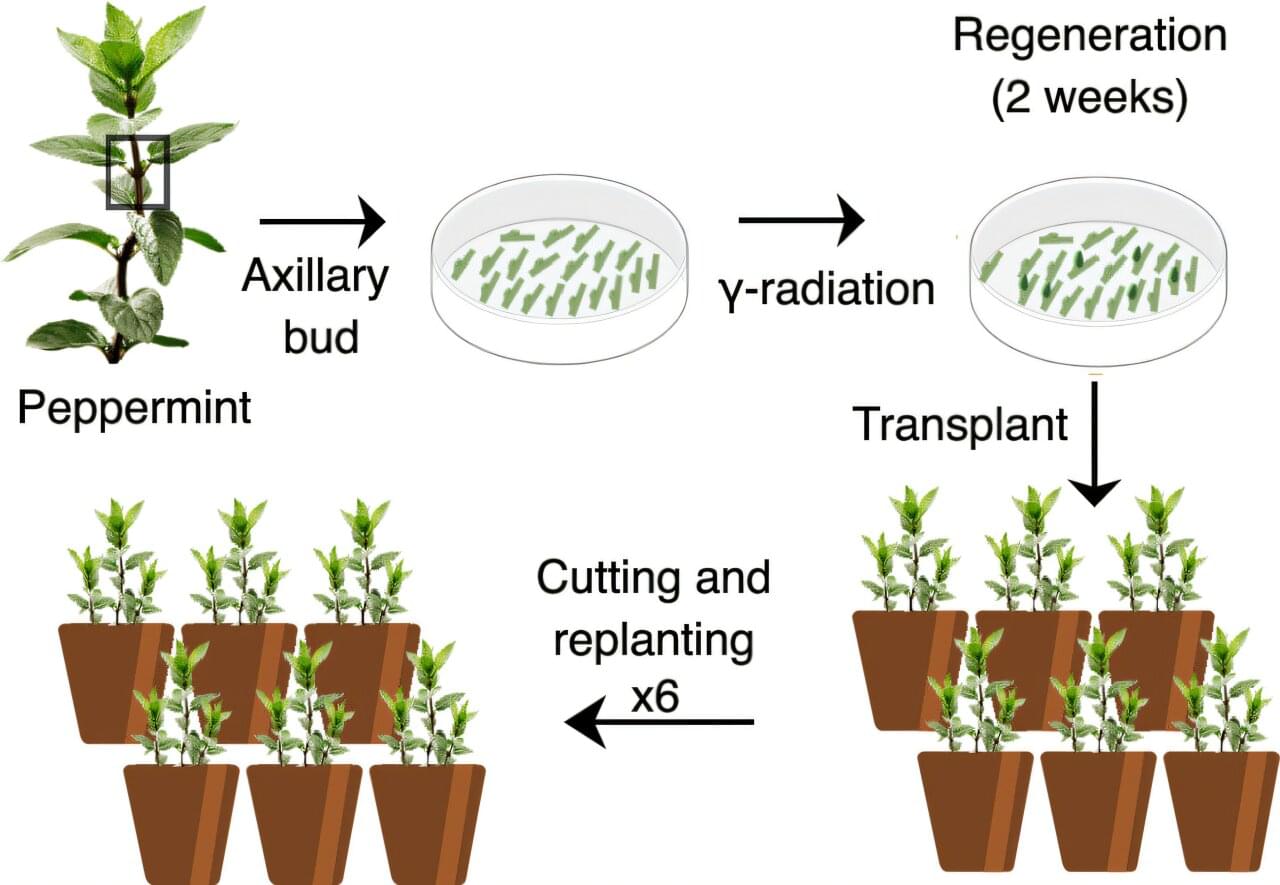
The genomics of peppermint are not as fresh as their flavor but scientists from the University of California, Davis, have found a way to breathe new genetic variation into the species. The findings, published in the Proceedings of the National Academy of Sciences, could help the mint industry develop new varieties of peppermint and provide a roadmap for improving clonal crops more generally.
Similar to strawberries, potatoes and many fruit trees, peppermint plants (Mentha × piperita) are reproduced asexually by a process called clonal propagation. In the case of peppermint, this means that their genomes have remained unaltered for more than 200 years. This lack of genetic variation leaves them susceptible to disease and means that properties such as yield and flavor have remained stagnant.
UC Davis plant biologists used radiation to induce mutations in the leading peppermint clone grown in the United States, resulting in more than 250 new and genetically distinct variants. Altogether, they introduced 1,406 large genetic mutations, which can now be used to identify key genes for breeding or selecting new and superior peppermint varieties.