Toggle light / dark theme

Longevity and rejuvenation effects of cell reprogramming are decoupled from loss of somatic identity

Partial somatic cell reprogramming has been touted as a promising rejuvenation strategy. However, its association with mechanisms of aging and longevity at the molecular level remains unclear. We identified a robust transcriptomic signature of reprogramming in mouse and human cells that revealed co-regulation of genes associated with reprogramming and response to lifespan-extending interventions, including those related to DNA repair and inflammation. We found that age-related gene expression changes were reversed during reprogramming, as confirmed by transcriptomic aging clocks. The longevity and rejuvenation effects induced by reprogramming in the transcriptome were mainly independent of pluripotency gain. Decoupling of these processes allowed predicting interventions mimicking reprogramming-induced rejuvenation (RIR) without affecting somatic cell identity, including an anti-inflammatory compound osthol, ATG5 overexpression, and C6ORF223 knockout. Overall, we revealed specific molecular mechanisms associated with RIR at the gene expression level and developed tools for discovering interventions that support the rejuvenation effect of reprogramming without posing the risk of neoplasia.

Aging is associated with the buildup of molecular damage and a gradual loss of function, culminating in chronic age-related diseases and ultimately death (1). Searching for safe and efficient interventions that can slow down or partially reverse the aging process is a major challenge in the aging field (2 6). In this regard, reprogramming of somatic cells into induced pluripotent stem cells (iPSCs) has been proposed as a candidate longevity intervention due to its potential to rejuvenate cells in a targeted way (7, 8).

Pluripotency can be achieved in vitro by the ectopic expression of four transcription factors: OCT4, SOX2, KLF4, and MYC, known as OSKM or Yamanaka factors (YFs). It was demonstrated that OSKM support the generation of murine iPSCs using retroviral transduction as a delivery system and mouse embryonic fibroblasts (MEF) as the initial cell culture. Although this original experiment was inefficient in terms of the percentage of cells that terminally achieved the pluripotent state (0.1%), more advanced in vitro approaches resulted in a greatly improved efficiency, e.g. by down-regulation of methyl CpG-binding domain 3 (MBD3) levels (10). In parallel, other approaches have been developed to induce pluripotency. In particular, the expression of seven other transcription factors (7F: Jdp2-Jhdm1b-Mkk6-Glis1-Nanog-Essrb-Sall4) resulted in high efficiency of reprogramming (11).

A Solution To Musk’s Fear Of Population Collapse? Artificial Womb Facility Could Grow 30,000 Babies A Year

😗


Billionaire Elon Musk has frequently spoken about his concerns about underpopulation. He has mentioned that people should focus on having more babies to resolve the problem of low birth rates and population collapse.

Earlier this year, Musk shared how the COVID-19 pandemic has resulted in a lower birth rate instead of the “baby boom” expected due to people being forced to stay indoors.

Now, a birthing facility could answer Musk’s concerns about the world’s low birth rates. The world’s first artificial womb facility, EctoLife, promises to produce customized babies.

Turning Cells Into “Zombies”: Scientists Identify the Secret That Allowed a Parasite To Infect 30% of Humans

A large portion of people on the planet is infected with the parasite Toxoplasma. Now, a study headed by scientists at Stockholm University demonstrates how this tiny parasite spreads so successfully throughout the body, for example to the brain. The parasite infects immune cells and hijacks their identity. The research was recently published in the journal Cell Host & Microbe.

The various roles of immune cells in the body are very strictly regulated in order to combat infections. How Toxoplasma infects so many people and animal species and spreads so quickly has long been a mystery to scientists.

“We have now discovered a protein that the parasite uses to reprogram the immune system”, says Arne ten Hoeve, a researcher at the Department of Molecular Biosciences, Wenner-Gren Institute at Stockholm University.

Stresses and hydrodynamics: Scientists uncover new organizing principles of the genome

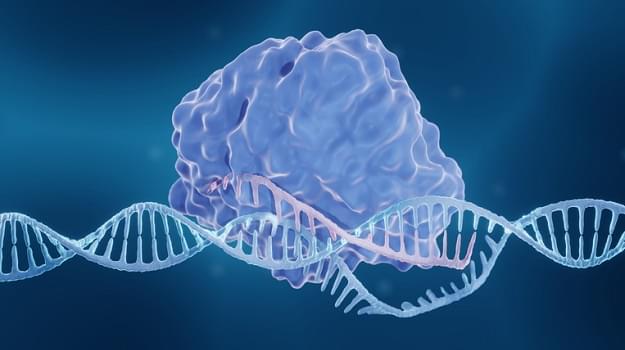
A team of scientists has uncovered the physical principles—a series of forces and hydrodynamic flows—that help ensure the proper functioning of life’s blueprint. Its discovery provides new insights into the genome while potentially offering a new means to spot genomic aberrations linked to developmental disorders and human diseases.

“The way in which the is organized and packed inside the nucleus directly affects its biological function, yet the physical principles behind this organization are far from understood,” explains Alexandra Zidovska, an associate professor in New York University’s Department of Physics and an author of the paper, which appears in the journal Physical Review X (PRX). “Our results provide fundamental insights into the biophysical origins of the organization of the genome inside the .”

“Such knowledge is crucial for understanding the genome’s function,” adds David Saintillan, a professor at the University of California San Diego’s Department of Mechanical and Aerospace Engineering and an author of the paper.

Science Confirms Our Life Really Does Flash Before Your Eyes Before Death

Death is perhaps one of the most universally discussed topics across the board, and at least once in our lives, the vast majority of us wonder what happens during our final moments. For a long time, we haven’t had many answers, well, that is until now.

One of the most common ‘rumors’ about death is that right before our final moment, our life flashes before our eyes. And recent research may offer some interesting answers that indicate this theory isn’t far from the truth.

The research was carried out by accident, as they had intended to study the brainwaves of an 87-year-old patient with epilepsy. However, during their research, the patient ended up suffering from a fatal heart attack. During the death of the patient, their brainwaves were recorded up until the moment of death.

Scientists use machine learning to get an unprecedented view of small molecules

A new machine learning model will help scientists identify small molecules, with applications in medicine, drug discovery and environmental chemistry. Developed by researchers at Aalto University and the University of Luxembourg, the model was trained with data from dozens of laboratories to become one of the most accurate tools for identifying small molecules.

Thousands of different small molecules, known as , transport energy and transmit cellular information throughout the human body. Because they are so small, metabolites are difficult to distinguish from each other in a blood sample analysis—but identifying these molecules is important to understand how exercise, nutrition, and metabolic disorders affect well-being.

Metabolites are normally identified by analyzing their mass and retention time with a separation technique called liquid chromatography followed by mass spectrometry. This technique first separates metabolites by running the sample through a column, which results in different flow rates—or retention times—through the measurement device.

How a common cold develops

Winter and rainy season is worst for those who have low immunity. Antibiotics have many side effects. But there high fever due to viral infection is also risky.


A cold is an infection caused by a virus. It’s a common and usually mild illness that affects the nose and throat. Find out more here: http://bit.ly/KV8y1c.

The content is intended for general information only and does not replace the need for personal advice from a qualified health professional.

Origins of Rare Childhood Cancer-Like Disease Identified

Until now, some researchers believed Langerhans cell histiocytosis (LCH), a rare and fatal form of cancer in children, is derived from immune cells called dendritic cells, while others believed that they originate from related immune cells called monocytes. A new study showed mutated LCH cells have properties similar to both monocytes and dendritic cells, as well as a relatively new type of dendritic cell called DC3.

/* */