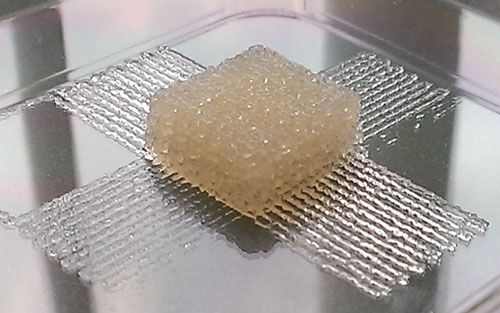
Advances in 3-D printing have led to new ways to make bone and some other relatively simple body parts that can be implanted in patients. But finding an ideal bio-ink has stalled progress toward printing more complex tissues with versatile functions. Now scientists have developed a silk-based ink that could open up new possibilities toward that goal.
Category: 3D printing – Page 155
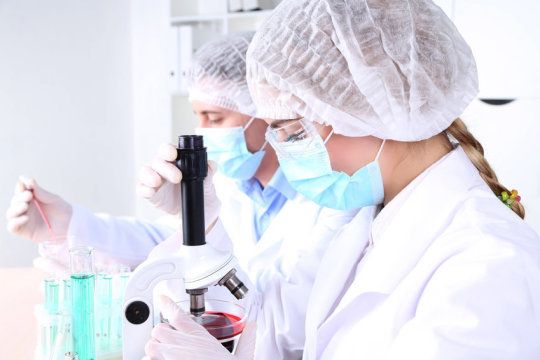
DNA-guided 3-D printing of human tissue is unveiled
A UCSF-led team has developed a technique to build tiny models of human tissues, called organoids, more precisely than ever before using a process that turns human cells into a biological equivalent of LEGO bricks. These mini-tissues in a dish can be used to study how particular structural features of tissue affect normal growth or go awry in cancer. They could be used for therapeutic drug screening and to help teach researchers how to grow whole human organs.
The new technique — called DNA Programmed Assembly of Cells (DPAC) and reported in the journal Nature Methods on August 31, 2015 — allows researchers to create arrays of thousands of custom-designed organoids, such as models of human mammary glands containing several hundred cells each, which can be built in a matter of hours.
There are few limits to the tissues this technology can mimic, said Zev Gartner, PhD, the paper’s senior author and an associate professor of pharmaceutical chemistry at UCSF. “We can take any cell type we want and program just where it goes. We can precisely control who’s talking to whom and who’s touching whom at the earliest stages. The cells then follow these initially programmed spatial cues to interact, move around, and develop into tissues over time.”

This startup can grow metal like a tree, and it’s about to hit the big time
A little know startup in Seattle could do for metal what 3D printing is doing for other materials like plastic.
MIT’s New 3D Printer Can Print 10 Materials Simultaneously
Fab news, everyone!
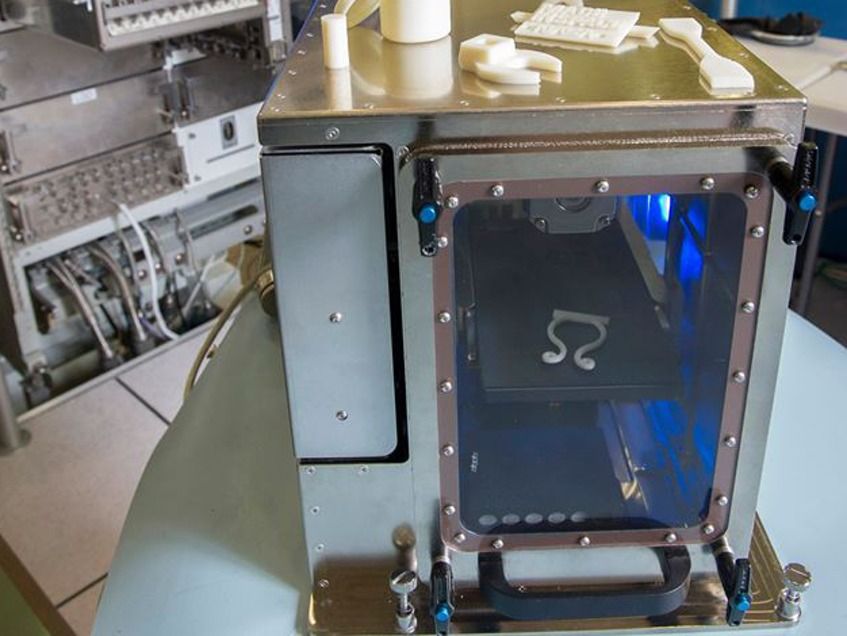
Get Ready To 3D Print Your Own Satellites In Space — By Neel V. Patel | Inverse
“A California startup called Made In Space wants to make 3D for use in orbit. The idea is to give consumers the opportunity to allow their own satellites to be built right there, several hundred miles above Earth’s surface. Plans are in motion to send up a printer capable of accepting printing instructions from the public and building whatever someone on the ground has in mind.”
FDA approved the first 3D-printed prescription drug
How 3D printing is changing the way we manufacture and produce is already a fact, step by step, in different areas, from aerospace to the medical areas.
How will this impact the established processes, the economy, the patient …
Is this the dawn of personalized medicine? patients will be able to print their own pills at home? Will 3D printing represent an enhancement to distribution processes?
Exciting but at the same time other questions are if following a cheap driver is really safe…
“Would the FDA be able to oversee personal pill printing? Should they? If an automated pill printer goes out of whack and misprints medication, would the blame fall on the machine’s manufacturers or the operators (i.e., the patients)? What if the machines were hacked? If people can reverse engineer patented drugs through 3D printing, how can those patents be protected? Will it be a detriment to drug development?
will people be able to hijack pill printers to manufacture illicit drugs?” This is the same situation we have now with RPAS/UAS (Remote Piloted Aircrafts/Unmanned Aircraft Systems) and cyberthreats ..
Read more at http://singularityhub.com/2015/08/14/first-3d-printed-drug-u…-medicine/

At Last, a Wearable You Will Want to Wear — By Chander Chawla | Forbes
“I am excited to introduce the first wave of TechLuxe in a form of a resin handbag with an LCD video screen. The idea is to radically bring technology to fashion, but with creative beauty within a functional beautifully designed bag.”
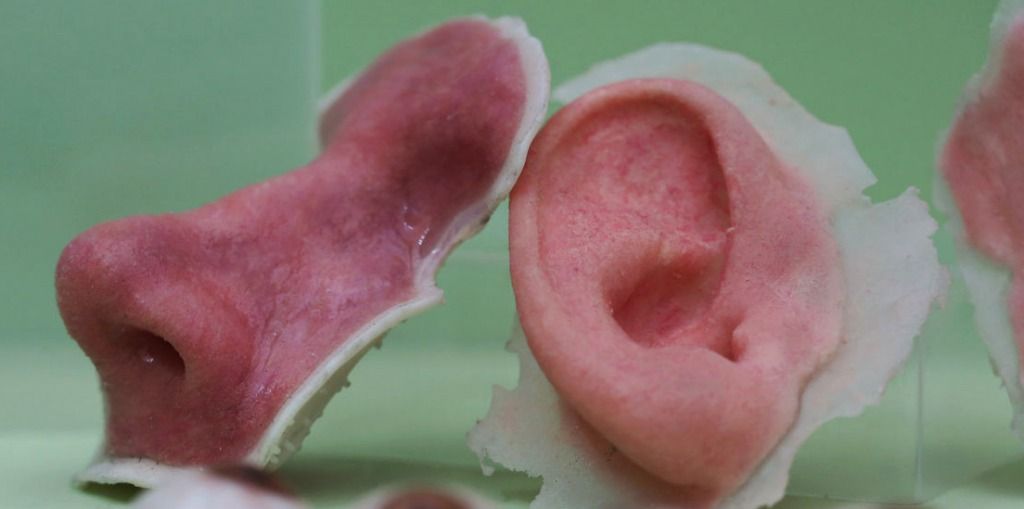
11 Companies Leading the 3D Bioprinting Space
Undoubtedly one of the most exciting areas within the 3D printing space is that of bioprinting. Using layer-by-layer fabrication methods, a number of companies are in the process of pushing forward a new paradigm shift within the medical implant, transplantation, and surgical spaces. While the media has mainly focused on Organovo, the company behind the world’s first 3D printable liver tissue, there are actually several other companies involved in this incredible space. Here are 3DPrint.com we thought it would be helpful to underline just a handful of those companies that may be about to change medicine as we know it.
Organovo The company, headquartered in San Diego, California, has been at the forefront of 3D bioprinting research for some time now. Not only are they currently bringing revenues in by providing pharmaceutical companies with their 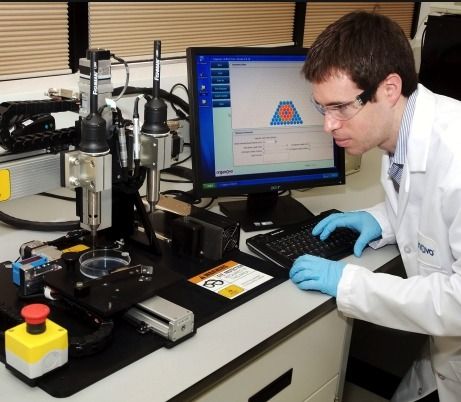 exVive3D™ Liver Tissue for drug toxicity testing, but they have partnered with major companies in the health space including L’Oréal and Merck, and are planning on introducing their exVive3D™ Kidney Tissue product by next year. With an ultimate goal of 3D printing patches made of human tissue for failing organs, and eventually entire organs for transplantation, Organovo certainly has their work cut out for them.
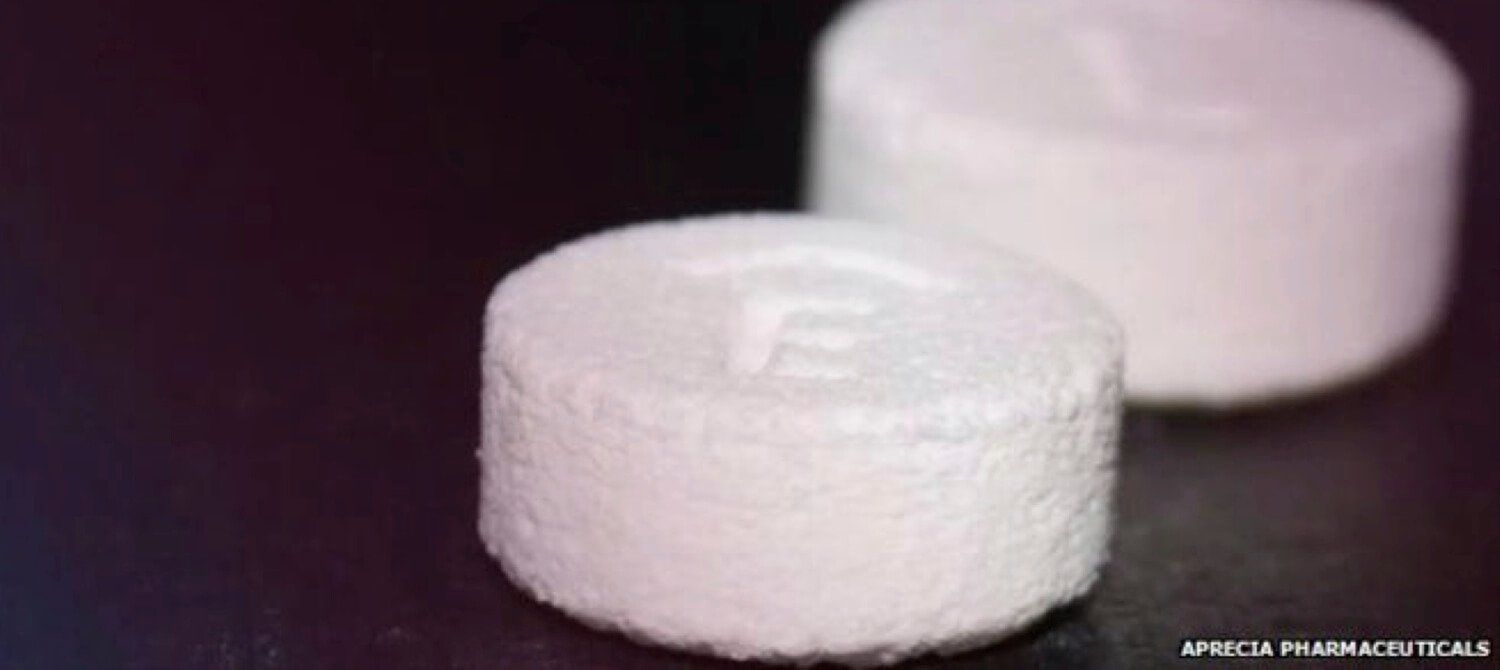
First 3D-Printed Drug Ushers in Era of Downloadable Medicine — Singularity HUB
Last week, the FDA approved the first 3D-printed prescription drug, essentially validating the technology as a new heavyweight player in big pharma. “This may be the first truly mass manufactured product made by 3D printing,” said Dr. Michael Cima, a professor at MIT who helped invent the pill-printing technology back in 1997, in an email to Singularity Hub. “It’s revolutionary.”
The printed pill, SPRITAM levetiracetam, is a drug that fights many kinds of epileptic seizures. The brainchild of a little-known Ohio-based company Aprecia, SPRITAM is essentially an old drug ingredient packaged into a brand new, more effective delivery system. Unlike current formulations of the same drug, SPRITAM immediately dissolves upon contact with water and bursts into effect — a property obviously beneficial when trying to curtail sudden-onset seizure episodes.
The Longevity Reporter: The Weekly Newsletter on Aging (15th August, 2015)
Checkout the latest Longevity Reporter Newsletter (15th August, 2015), covering this week’s top news in health, aging, longevity
This week: ‘Danielle’ — An Eye Opening Simulation Of The Aging Process; How Does Chronic Inflammation Lead To Cancer?; Low Inflammation and Telomere Maintenance Predict Healthy Longevity; 3-D Printing: Could Downloadable Medicine Be The Future?; And more.