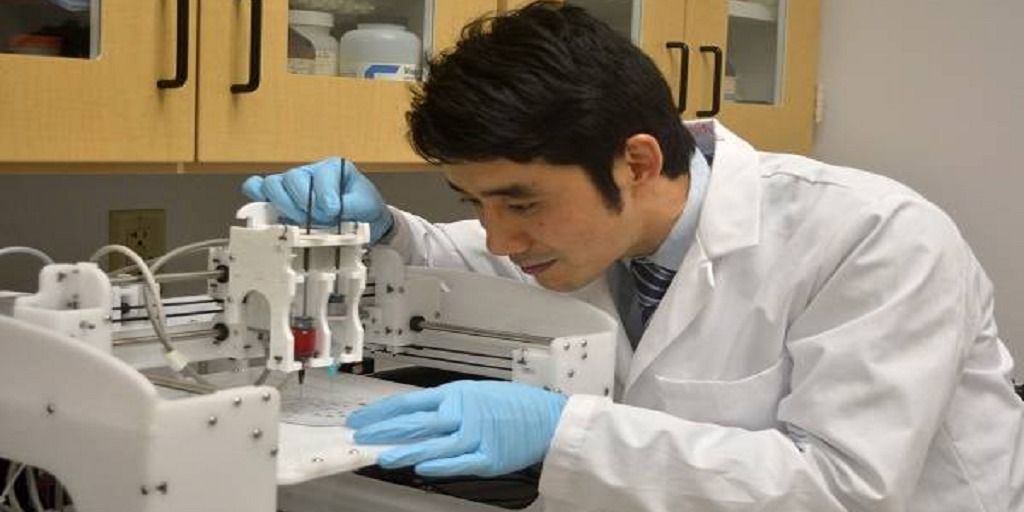
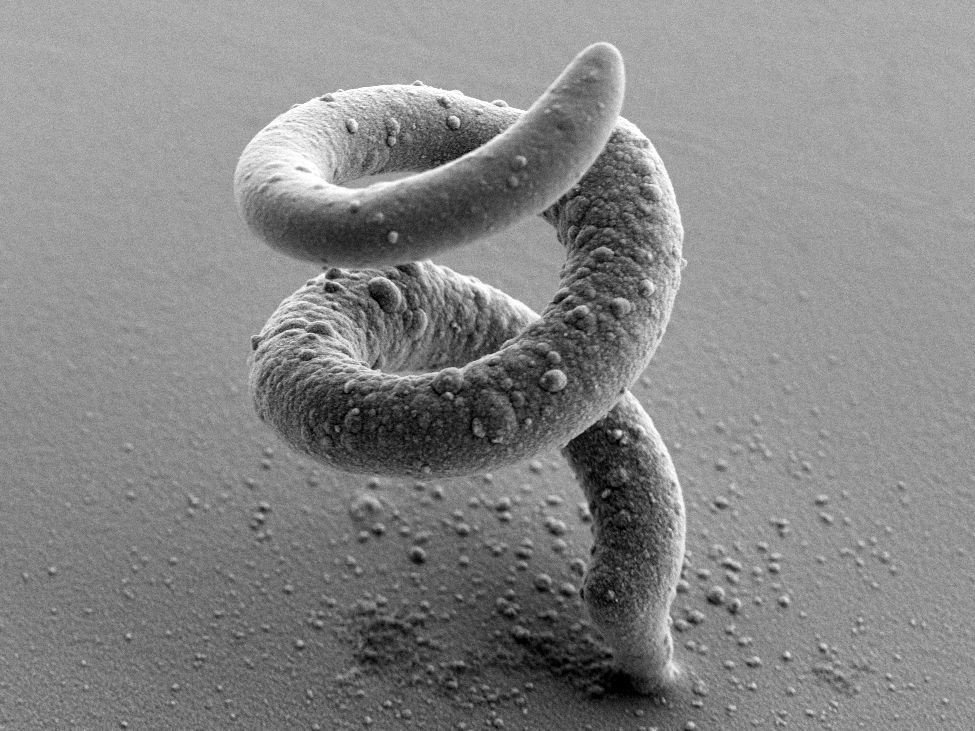
A lot of folks who know me well; knows that I donate my time and expertise to help with the various cancer foundations such as the National Esophageal Cancer Foundation. Esophageal Cancer is one form of cancer not often caught in time due to its symptoms. However, researchers have developed a 3D Stent that is simply amazing and is bringing a lot of hope for so many. Technology and medicine together is an amazing team.
I cannot wait to share this with the foundation’s president; she lost her husband only 2 years ago to this deadly cancer, I lost a cousin, and 2 years ago doctor’s removed a lesion from my esophagus. I cannot express enough to folks (especially younger folks; this is truly a silent killer and it hits all ages (20s, 30s, 40s, and 50s). And, once you ever have a lesion or cancer; you must be diligent in your follow ups no matter what.
 Pretty much everyone I know, myself included, has lost someone to cancer, many of them far too young. Finding a cure for cancer is the lofty, ultimate goal for medical researchers, and people like to fantasize about the day when the headline suddenly appears in the paper: “Cure for Cancer Found!” No more deaths from the disease, no more painful, drawn-out treatments – just a shot or a pill that can eliminate cancer as easily as clearing up an ear infection.
In reality, will it happen like that? It probably won’t be that easy – cancer is a complicated beast, and there are so many different forms with their own unique complexities that a universal, one-off cure is a difficult proposition. However, a lot of promising recent developments do point to a near future in which treatment is much more effective and deaths much more rare. And a lot of those developments involve 3D printing.
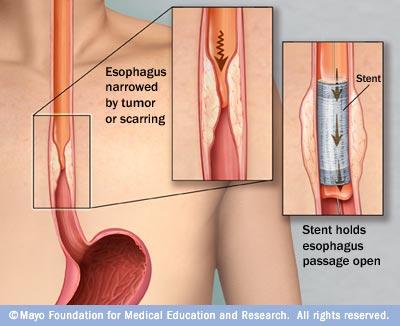 No cancer is pleasant, but some are much easier to treat than others. Certain types of cancers tend to come with a dire prognosis, and esophageal cancer is one of those. It’s the eighth most common type of cancer in the world, but it’s often detected late, and it’s very difficult to operate on; in fact, 50 to 60 percent of patients with the disease are ineligible for surgery. Those patients are often treated with the surgical implantation of a stent, which is made from a metal mesh and can cause numerous complications such as bleeding, perforation or tumor ingrowth.
Read more