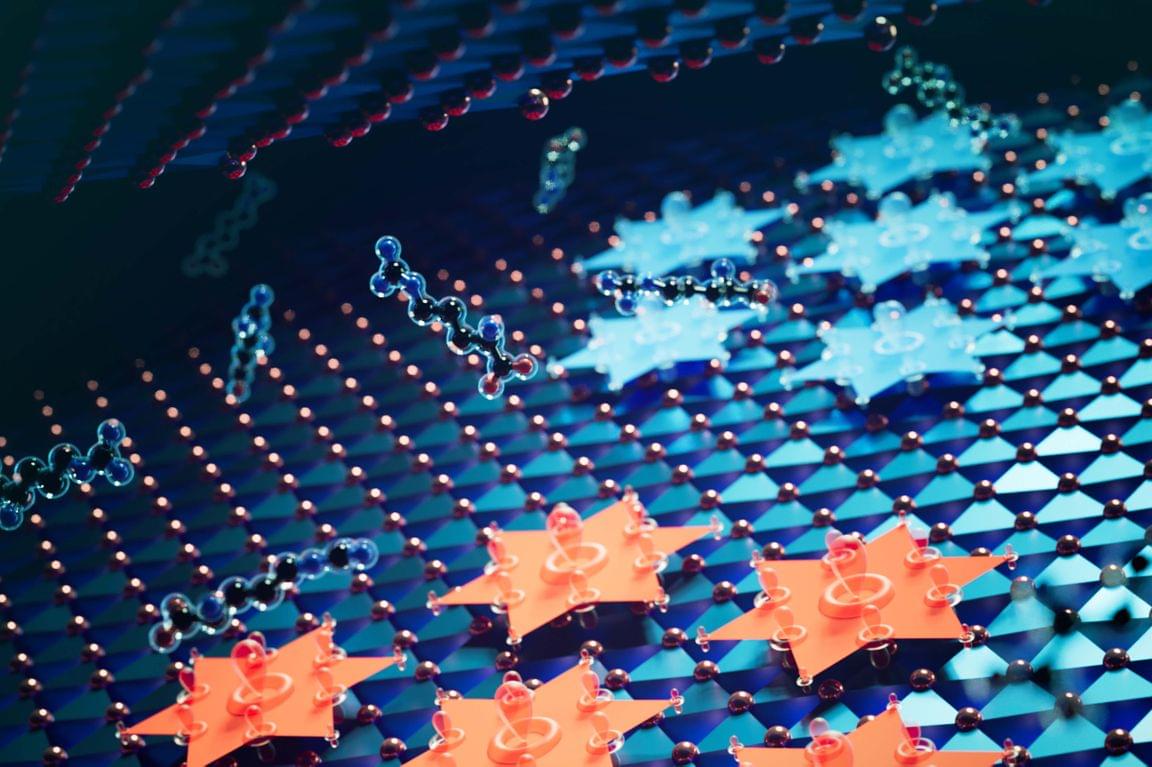
Many of the most potent antibiotics originate from bacteria. A large proportion belong to a class of compounds known as nonribosomal peptides (NRP). They are produced by large bacterial enzyme machineries—the nonribosomal peptide synthetases, or NRPS for short. These function like molecular assembly lines: Similar to the stations in a car factory, where new parts are added to the car at each step, several specialized modules string together amino acid by amino acid to build a peptide.
The finished product is used in nature as a weapon in microbial competition—and by us humans, chemically optimized, as an active ingredient in medicines. The research group of Helge Bode at the Max Planck Institute for Terrestrial Microbiology aims to engineer the NRPS machinery at the genetic level to create entirely new drug candidates. Their latest paper, “Drift, selection and recombination bias drive the evolution of a non-ribosomal peptide,” is published in Nature Ecology & Evolution.
Like ordinary proteins, NRPs are subject to evolution—but the way they change is unusual. While ordinary proteins evolve mainly through random mutations of individual DNA building blocks, NRPS exchange entire gene segments with one another. This process is called recombination. The result is new combinations of modules—and thus new peptides with altered chemical properties.