Toggle light / dark theme

Get the latest international news and world events from around the world.

Log in for authorized contributors

SpaceX sets plans for massive $20M H-E-B sized Texas project

So, essentially SpaceX’s new parking garage will be bigger than your local H-E-B (excluding the largest H-E-B in San Antonio of course). Construction on the garage began earlier this year in February, but it’s expected to be completed by January 7, 2027, according to the TDLR.

SpaceX’s Bastrop facility is a major manufacturing hub for its Starlink satellite internet service, producing terminals and components. It’s located across the street from Hyperloop Plaza, a Musk-owned shopping center which houses The Boring Company, and the new X (formerly Twitter) headquarters.

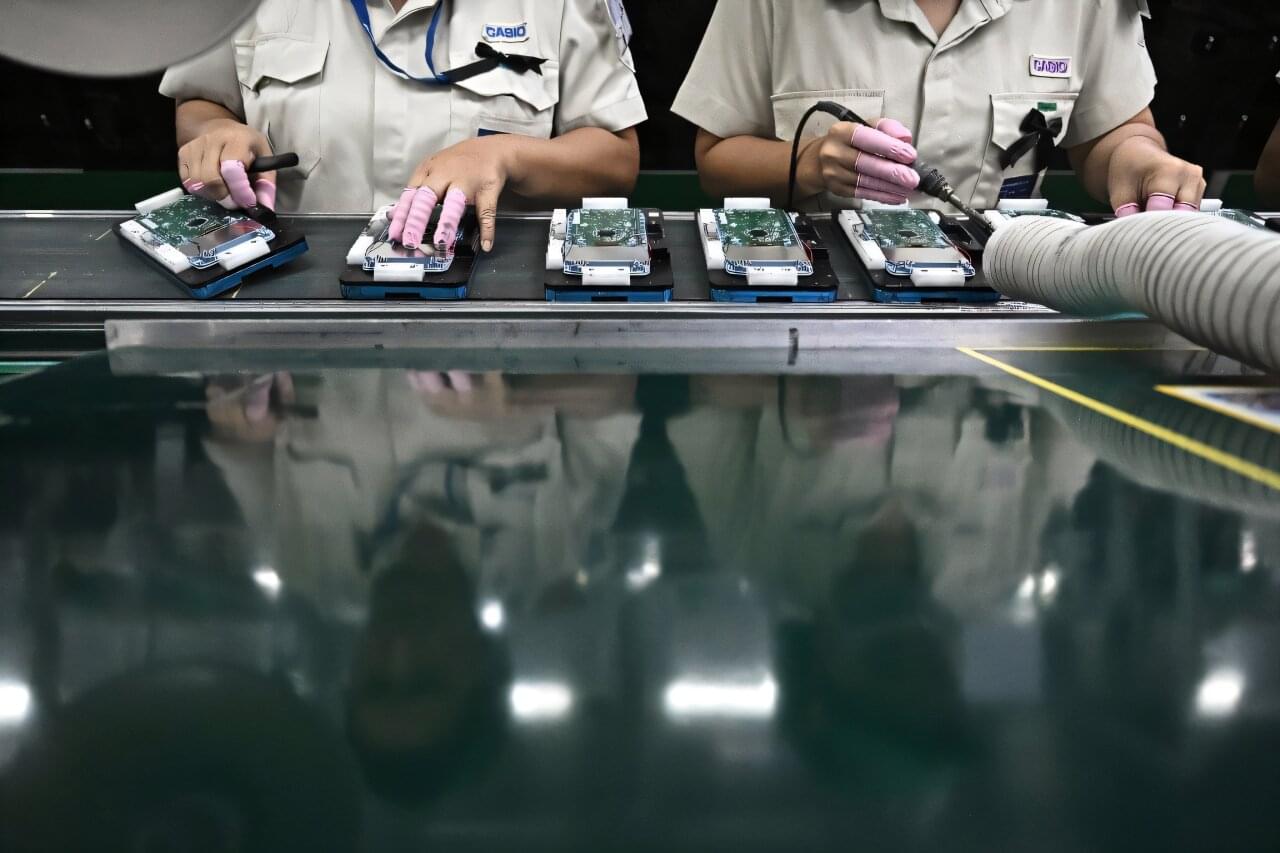
Number’s up: Calculators hold out against AI

The humble pocket calculator may not be able to keep up with the mathematical capabilities of new technology, but it will never hallucinate.

The device’s enduring reliability equates to millions of sales each year for Japan’s Casio, which is even eyeing expansion in certain regions.

Despite lightning-speed advances in artificial intelligence, chatbots still sometimes stumble on basic addition.

Five ways microplastics may harm your brain

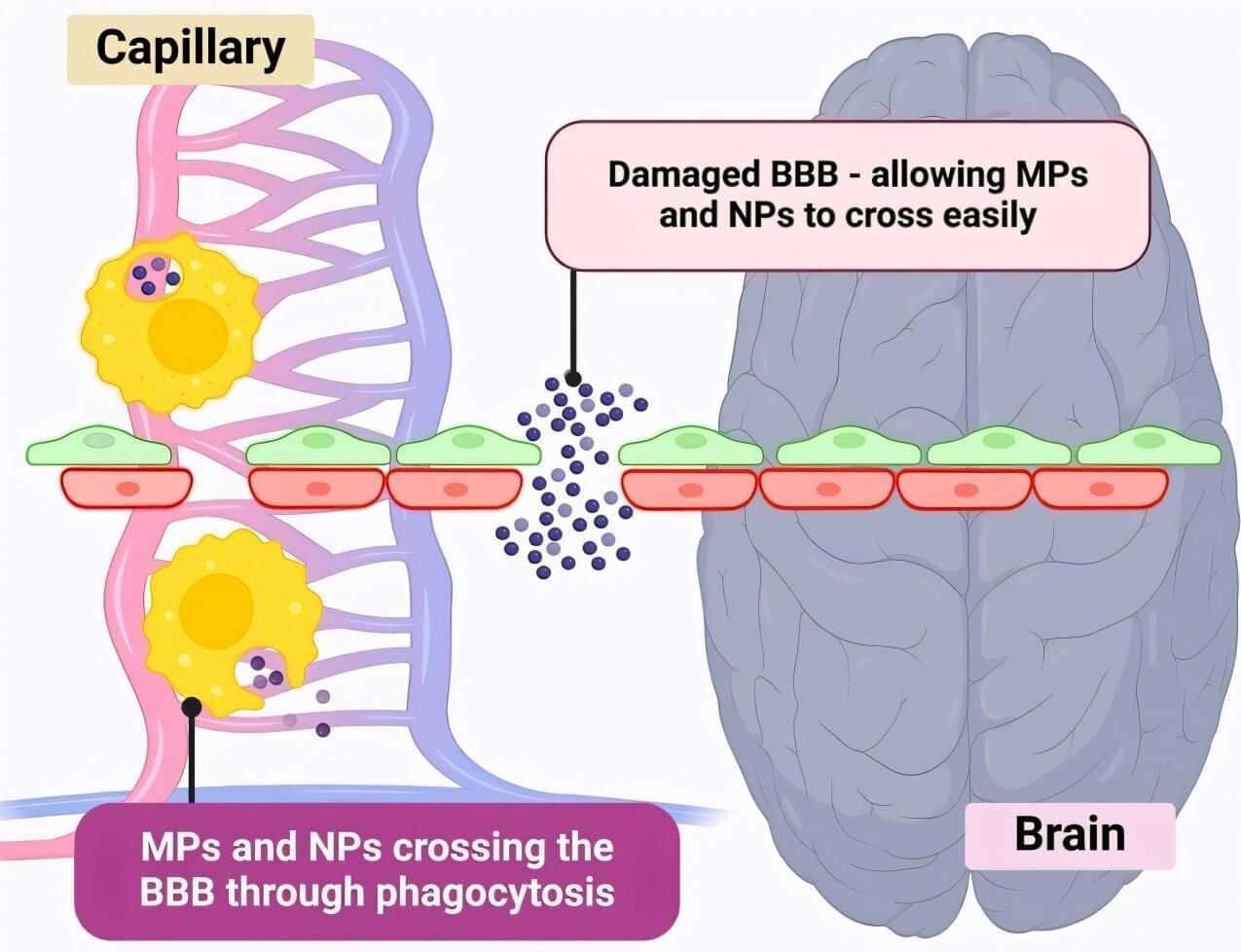
Microplastics could be fueling neurodegenerative diseases like Alzheimer’s and Parkinson’s, with a new study highlighting five ways microplastics can trigger inflammation and damage in the brain.

More than 57 million people live with dementia, and cases of Alzheimer’s and Parkinson’s are projected to rise sharply. The possibility that microplastics could aggravate or accelerate these brain diseases is a major public health concern.

Pharmaceutical scientist Associate Professor Kamal Dua, from the University of Technology Sydney, said it is estimated that adults are consuming 250 grams of microplastics every year—enough to cover a dinner plate.

New moonquake discovery could change NASA’s Moon plans

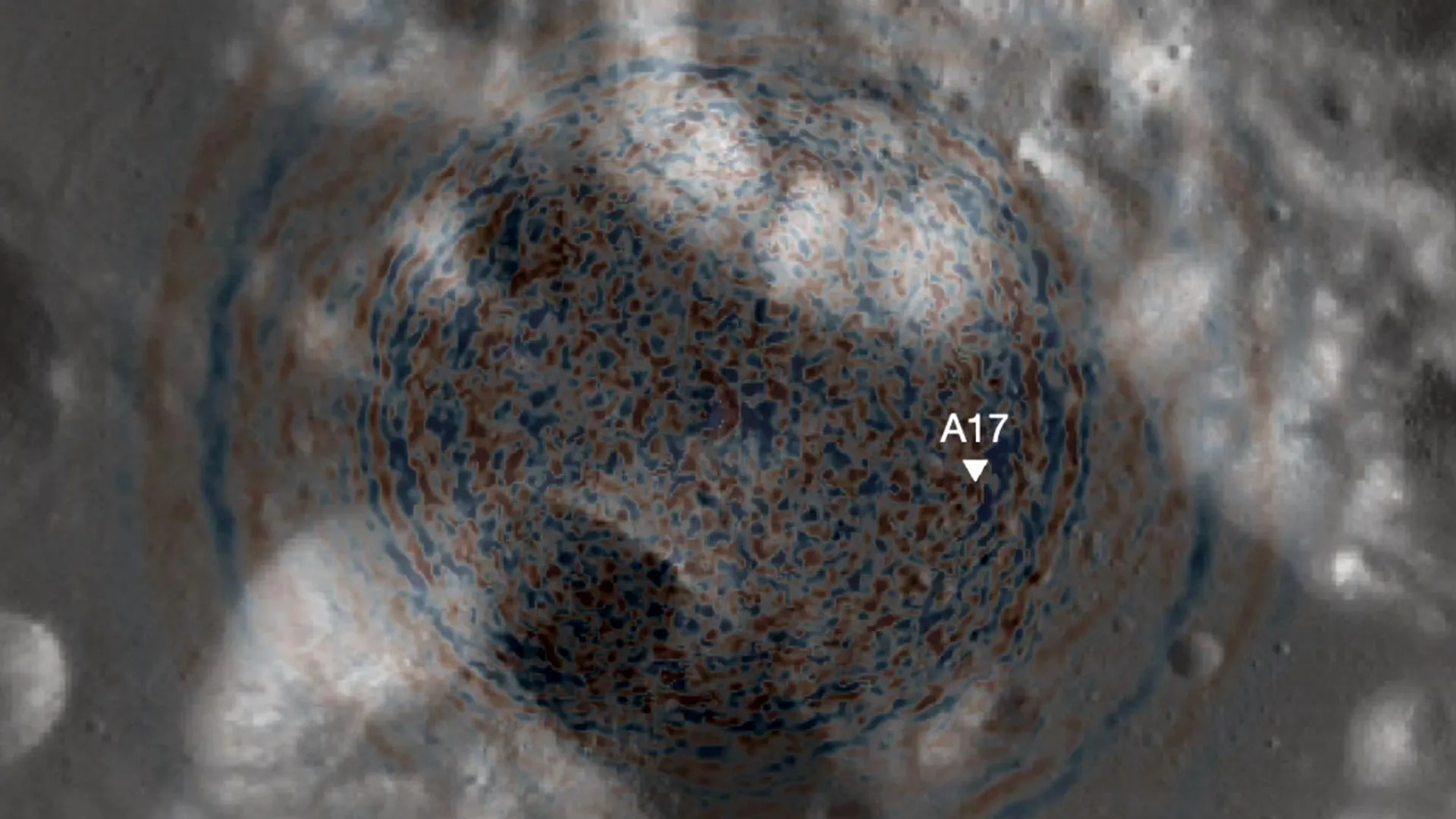
Moonquakes shook Apollo 17’s landing zone—and they could challenge the safety of future lunar outposts. Scientists have discovered that moonquakes, not meteoroids, are responsible for shifting terrain near the Apollo 17 landing site. Their analysis points to a still-active fault that has been generating quakes for millions of years. While the danger to short missions is low, long-term lunar bases could face increasing risk. The findings urge future planners to avoid building near scarps and to prioritize new seismic instruments.

A recently published study reports that shaking from moonquakes, rather than impacts from meteoroids, was the main force behind the shifting terrain in the Taurus-Littrow valley, the site where Apollo 17 astronauts landed in 1972. The researchers also identified a likely explanation for the changing surface features and evaluated potential damage by applying updated models of lunar seismic activity — results that could influence how future missions and long-term settlements are planned on the moon.

The work, conducted by Smithsonian Senior Scientist Emeritus Thomas R. Watters and University of Maryland Associate Professor of Geology Nicholas Schmerr, appeared in the journal Science Advances.


Machine learning and microscopy solve 170-year-old mystery of premelting ice

Through a novel combination of machine learning and atomic force microscopy, researchers in China have unveiled the molecular surface structure of “premelted” ice, resolving a long-standing mystery surrounding the liquid-like layer which forms on icy surfaces.

Detailed in a study in Physical Review X, the approach could also be applied more widely to reveal surface features that are too challenging for existing microscopy techniques to resolve.

Exclusive: How China built its ‘Manhattan Project’ to rival the West in AI chips

In a high-security Shenzhen laboratory, Chinese scientists have built a prototype of a machine capable of producing cutting-edge semiconductor chips that power artificial intelligence, smartphones and weapons central to Western military dominance.

Telomere Shortening in Three Diabetes Mellitus Types in a Mexican Sample

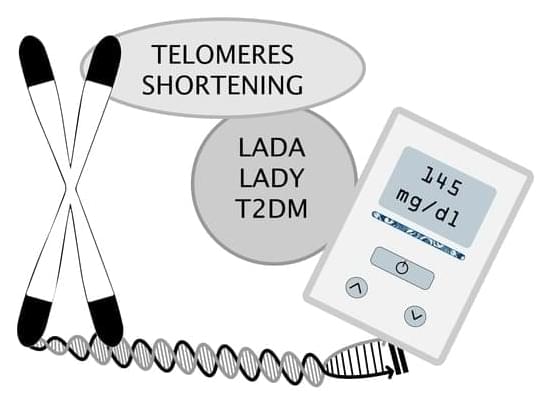
This study aimed to explore the role of telomere length in three different diabetes types: latent autoimmune diabetes of adulthood (LADA), latent autoimmune diabetes in the young (LADY), and type 2 diabetes mellitus (T2DM). A total of 115 patients were included, 72 (62.61%) had LADA, 30 (26.09%) had T2DM, and 13 (11.30%) had LADY. Telomere length was measured using real-time Polymerase Chain Reaction. For statistical analysis, we used the ANOVA test, X2 test, and the Mann–Whitney U test. Patients with T2DM had higher BMI compared to LADA and LADY groups, with a BMI average of 31.32 kg/m2 (p = 0.0235). While the LADA group had more patients with comorbidities, there was not a statistically significant difference (p = 0.3164, p = 0.3315, p = 0.3742 for each of the previously mentioned conditions).

/* */