Toggle light / dark theme

Get the latest international news and world events from around the world.

Log in for authorized contributors

Strange Lifeforms: The Chemistry of Alien Worlds

Explore the universe’s strangest possible life—boron creatures, sulfur beasts, crystal minds, ammonia swimmers, methane organisms, and more in this deep dive into alien chemistry.

Grab one of our new SFIA mugs and make your morning coffee a little more futuristic — available now on our Fourthwall store! https://isaac-arthur-shop.fourthwall… our Website: http://www.isaacarthur.net Join Nebula: https://go.nebula.tv/isaacarthur Support us on Patreon: / isaacarthur Support us on Subscribestar: https://www.subscribestar.com/isaac-a… Facebook Group: / 1,583,992,725,237,264 Reddit: / isaacarthur Twitter: / isaac_a_arthur on Twitter and RT our future content. SFIA Discord Server: / discord Credits: Strange Lifeforms: The Chemistry of Alien Worlds Written, Produced & Narrated by: Isaac Arthur Select imagery/video supplied by Getty Images Chapters 0:00 Intro 3:23What we’ll Explore 5:11 Boron Biochemistry 13:54 Ammonia Worlds 42:01 Sulfur Worlds 46:37 Silicon-Based Life 1:08:08 Phosphorus Life 1:17:25 Crystal Aliens 1:38:40Fluorine Life 1:45:56 Void Ecology 2:09:37 Methane Worlds 2:35:17 Closing Thoughts.

Visit our Website: http://www.isaacarthur.net.
Join Nebula: https://go.nebula.tv/isaacarthur.
Support us on Patreon: / isaacarthur.
Support us on Subscribestar: https://www.subscribestar.com/isaac-a
Facebook Group: / 1583992725237264
Reddit: / isaacarthur.
Twitter: / isaac_a_arthur on Twitter and RT our future content.
SFIA Discord Server: / discord.
Credits:
Strange Lifeforms: The Chemistry of Alien Worlds.
Written, Produced & Narrated by: Isaac Arthur.
Select imagery/video supplied by Getty Images.

Chapters.
0:00 Intro.
3:23What we’ll Explore.
5:11 Boron Biochemistry.
13:54 Ammonia Worlds.
42:01 Sulfur Worlds.
46:37 Silicon-Based Life.
1:08:08 Phosphorus Life.
1:17:25 Crystal Aliens.
1:38:40Fluorine Life.
1:45:56 Void Ecology.
2:09:37 Methane Worlds.
2:35:17 Closing Thoughts

DNA will replace hard drives as data storage in the future

Lex Fridman Podcast full episode: https://youtube.com/watch?v=1C2tPFCGL1U
Please support this podcast by checking out our sponsors:
- BetterHelp: https://betterhelp.com/lex to get 10% off.
- Grammarly: https://grammarly.com/lex to get 20% off premium.
- Magic Spoon: https://magicspoon.com/lex and use code LEX to get $5 off.
- Blinkist: https://blinkist.com/lex and use code LEX to get 25% off premium.
- Eight Sleep: https://www.eightsleep.com/lex and use code LEX to get special savings.

GUEST BIO:
Chris Mason is a professor of genomics, physiology, and biophysics at Cornell, doing research on the long-term effects of space on the human body. He is the author of The Next 500 Years: Engineering Life to Reach New Worlds.

PODCAST INFO:
Podcast website: https://lexfridman.com/podcast.
Apple Podcasts: https://apple.co/2lwqZIr.
Spotify: https://spoti.fi/2nEwCF8
RSS: https://lexfridman.com/feed/podcast/
Full episodes playlist: https://www.youtube.com/playlist?list=PLrAXtmErZgOdP_8GztsuKi9nrraNbKKp4
Clips playlist: https://www.youtube.com/playlist?list=PLrAXtmErZgOeciFP3CBCIEElOJeitOr41

SOCIAL:
- Twitter: https://twitter.com/lexfridman.
- LinkedIn: https://www.linkedin.com/in/lexfridman.
- Facebook: https://www.facebook.com/lexfridman.
- Instagram: https://www.instagram.com/lexfridman.
- Medium: https://medium.com/@lexfridman.
- Reddit: https://reddit.com/r/lexfridman.
- Support on Patreon: https://www.patreon.com/lexfridman

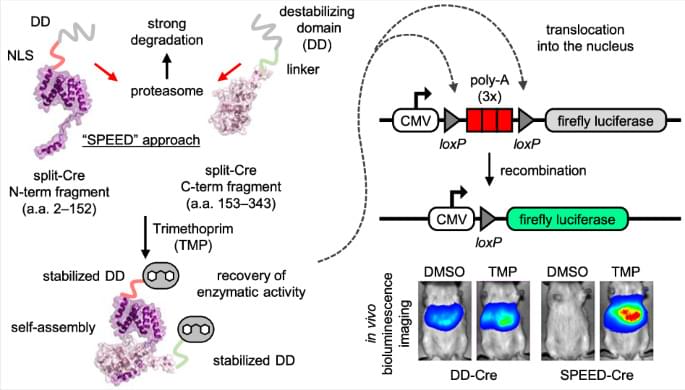
A chemically inducible, leakless Cre recombinase by split-protein-based efficient and enhanced degradation (SPEED)

A combination of self-assembling split-Cre with a destabilizing domain system is found to be an effective way to improve the degradation efficiency of destabilized Cre in the absence of Trimethoprim (Tmp) while maintaining efficient TMP-inducible DNA recombination.

The Neural Basis of Altruistic Punishment

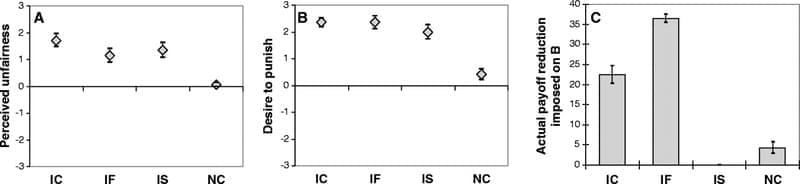
New brain research reveals why we’re willing to go out of our way to punish people who break the rules, even when it costs us time, money, or friends. This behavior, which researchers call “altruistic punishment,” has been essential for human cooperation since ancient times. It’s the invisible glue that keeps societies fair: we enforce the rules not just for ourselves, but for everyone.


Many people voluntarily incur costs to punish violations of social norms. Evolutionary models and empirical evidence indicate that such altruistic punishment has been a decisive force in the evolution of human cooperation. We used H2 15 O positron emission tomography to examine the neural basis for altruistic punishment of defectors in an economic exchange. Subjects could punish defection either symbolically or effectively. Symbolic punishment did not reduce the defector’s economic payoff, whereas effective punishment did reduce the payoff. We scanned the subjects’ brains while they learned about the defector’s abuse of trust and determined the punishment. Effective punishment, as compared with symbolic punishment, activated the dorsal striatum, which has been implicated in the processing of rewards that accrue as a result of goal-directed actions.

Scientists reversed brain aging and memory loss in mice

Cedars-Sinai researchers created “young” immune cells from human stem cells that reversed cognitive decline and Alzheimer’s symptoms in mice. The treated animals showed better memory and healthier brain structures. The cells seemed to protect the brain indirectly, possibly through anti-aging signals in the blood. The findings suggest a new, personalized path to slowing brain aging.

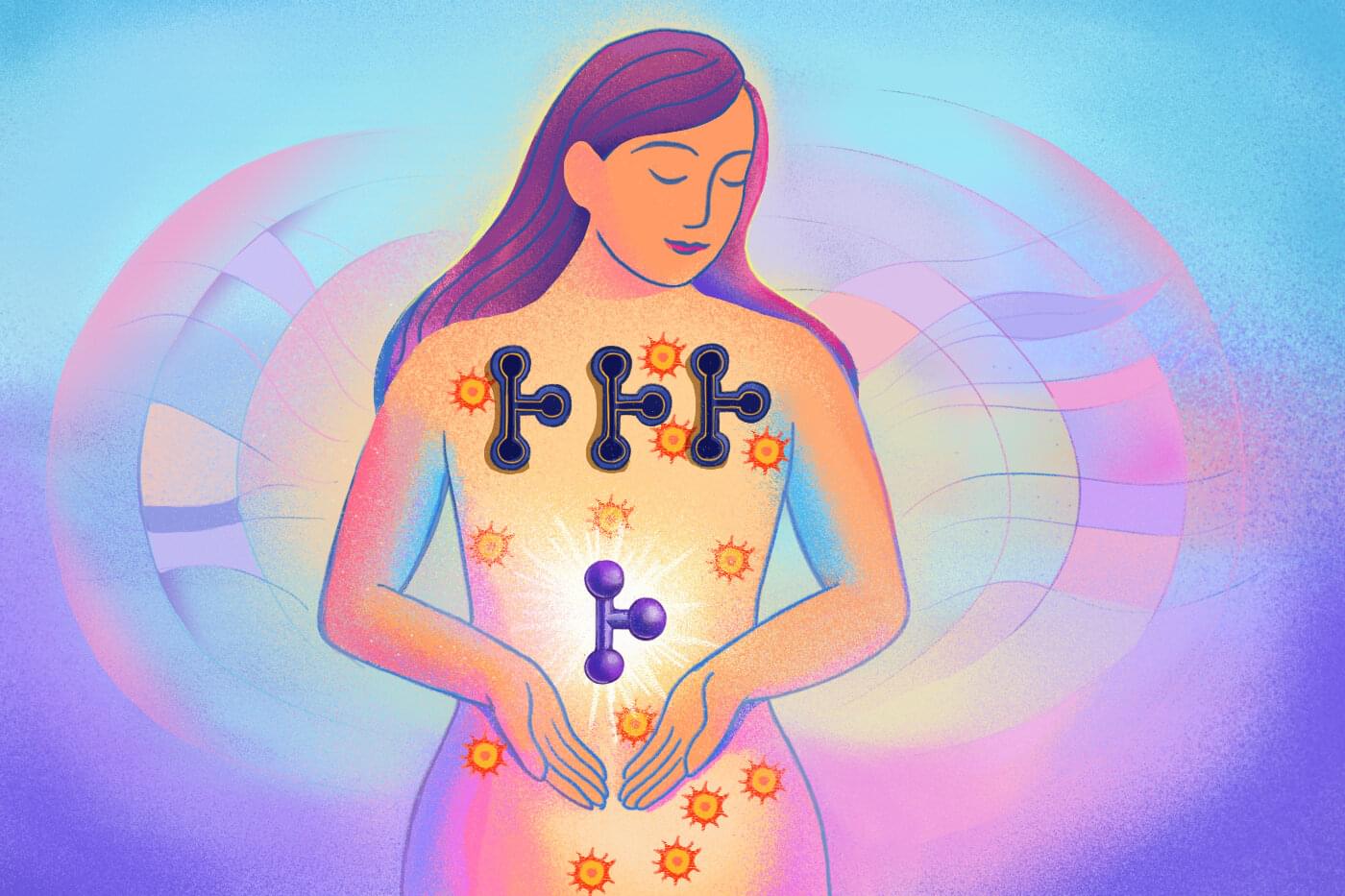
Your body is full of medicine. Researchers can now synthesize it

Northeastern University researchers have made a breakthrough drug discovery, developing the first synthetic endogenous cannabinoid compound, with repercussions for new therapeutics from pain and inflammation to cancer.

Spyros P. Nikas, an associate research professor in Northeastern’s Center for Drug Discovery, says that the discovery hinges on the distinction between two different kinds of cannabinoid chemicals, endogenous and exogenous. Exogenous cannabinoids are those produced outside the human body, like THC or CBD, both derived from the cannabis plant and present in marijuana.

Our own bodies, however, are also producing cannabinoids all the time. Called endogenous cannabinoids —or just “endocannabinoids”—these chemicals “modulate a wide range of physiological and pathophysiological responses,” Nikas says, processes that include mood, inflammation and even neurodegenerative disorders like Alzheimer’s and Parkinson’s. The research is published in the Journal of Medicinal Chemistry.

Transcutaneous Peripheral Nerve Stimulation for Essential Tremor: A Randomized Clinical Trial

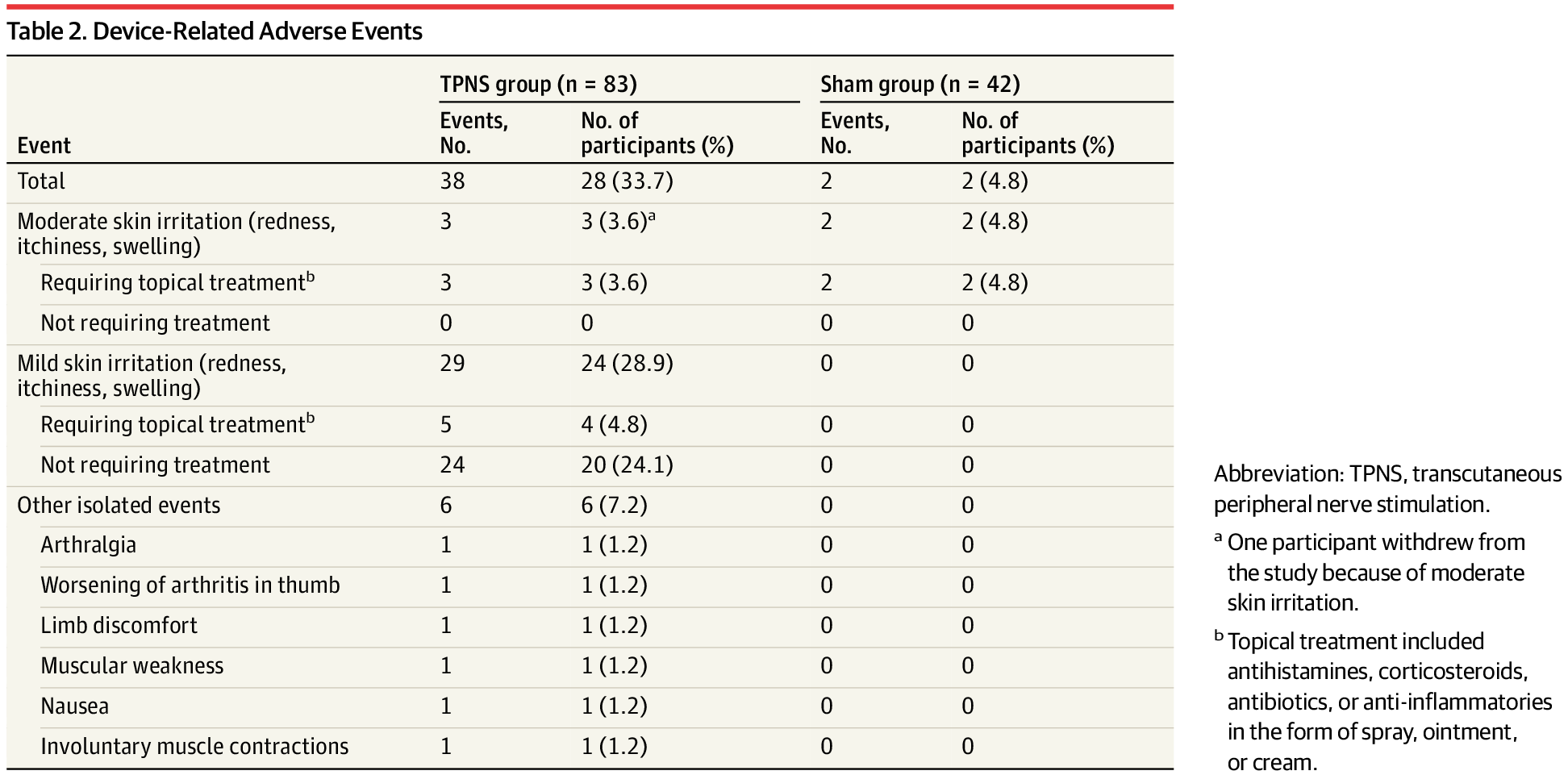
Essential tremor (ET), the most common upper limb tremor, can impair daily activities. In a multicenter RCT, an artificial intelligence–driven transcutaneous peripheral nerve stimulation (TPNS) device reduced mADL scores by 6.9 points at 90 days, compared with a 2.7-point reduction in the sham group.


Question Is an artificial intelligence (AI)–driven TPNS device superior to a sham device in reducing essential tremor?

Findings In this randomized clinical trial that included 125 adults with essential tremor, use of the TPNS device reduced the modified Activities of Daily Living score of the Essential Tremor Rating Assessment Scale by a clinically meaningful 6.9 points at 90 days, significantly more than the 2.7-point reduction seen in the sham-treated group.

Meaning The TPNS device improved activities related to upper limb tremor at 90 days and could be an effective noninvasive treatment for essential tremor.

Association Between Choroid Plexus Morphological Alterations, Alzheimer Pathologies, and Cognitive ImpairmentA Longitudinal Study

Question What are the main predictors for high health care costs among patients with head and neck cancer?

Findings In this population-based cohort study, advanced cancer stage and receiving multiple treatment modalities were the strongest predictors of high health care costs. Female sex, older age, and lower socioeconomic status were associated with an increased likelihood for high health care costs, although with a weaker effect size.

Meaning Future research should focus on evaluating screening strategies and early diagnosis to assess their potential effects on cost reduction and improved outcomes for patients with head and neck cancer.

/* */