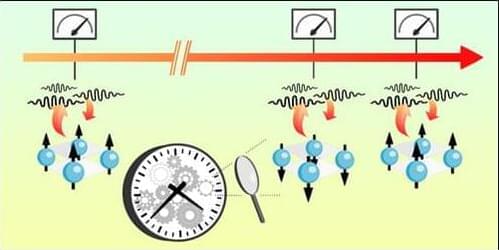
Spanish startup Sentitech tests an AI double-dome security system that tracks threats up to 3 kilometers in real air traffic.


We’ve collected 22 million algebra yes/no questions. Your task is to design a “cheat sheet”—a highly optimized prompt—that can be given to a weak, open-source model to drastically improve its accuracy.
On behalf of the SAIR Foundation, our co-founder Terence Tao is thrilled to announce our inaugural competition: the Mathematics Distillation Challenge.
Mathematics is about more than just finding the right answers; it’s about understanding the process. While frontier AI models can solve complex problems with 95% accuracy, weaker open-source models often perform no better than random chance (50%). We want to bridge that gap.
The Challenge:
We’ve collected 22 million algebra yes/no questions. Your task is to design a \.
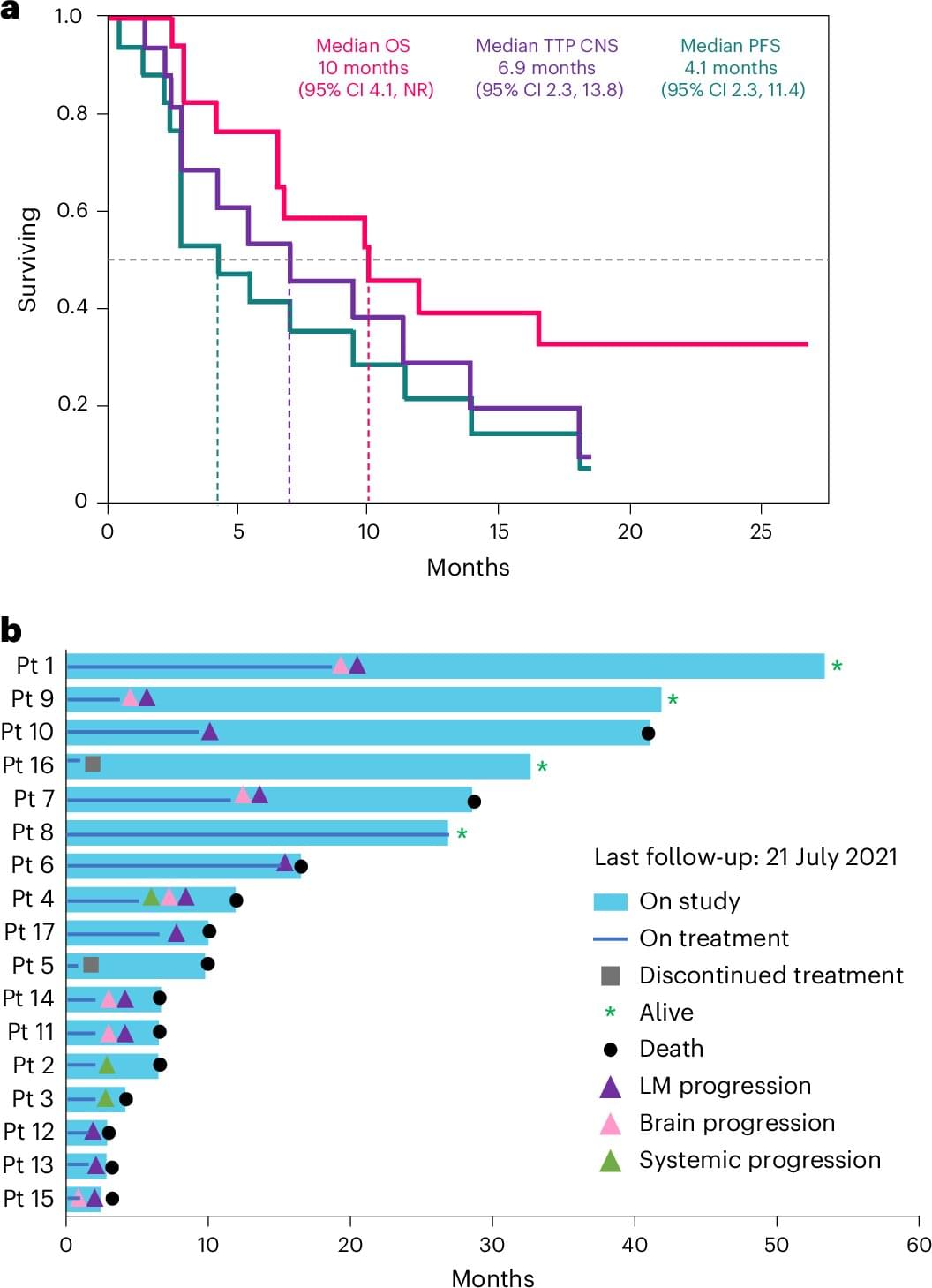
Patients with leptomeningeal metastasis (LM) have historically had few treatment options. Now, researchers from The University of Texas MD Anderson Cancer Center have found a combination of targeted therapies, tucatinib and trastuzumab, plus the chemotherapy drug, capecitabine, may improve symptoms and extend survival in some breast cancer patients with LM.
The Phase II study, published today in Nature Cancer, included 17 female patients with newly diagnosed LM and HER2+ breast cancer. Median overall survival (OS) in those treated with the combination therapy increased from a historical average of 4.4 months to 10 months. At the 18-month mark, 41% of patients were still alive. Under the combination treatment, disease progression also stalled, with a median of seven months before central nervous system progression, and 7 of 12 evaluable patients also had improved neurologic deficits.
“The combination achieved a clinically meaningful improvement in overall survival compared to historical controls,” said lead author Rashmi Murthy, M.D., associate professor of Breast Medical Oncology. “For these patients, who often face limited treatment options, our results represent a step forward, offering new hope in how we treat and manage leptomeningeal metastasis.”
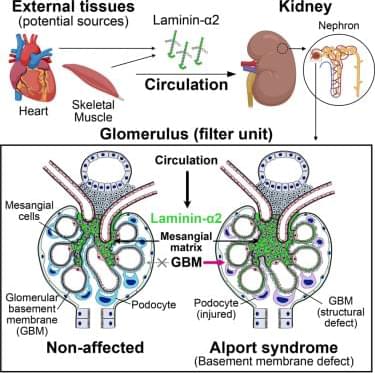
Omachi and Lin et al. uncover an unexpected source of ectopic laminin-α2 deposition in the glomerular basement membrane in Alport syndrome. They show that laminin-α2 circulates in blood and deposits according to basement membrane integrity, revealing a trans-tissue route for extracellular matrix deposition in mammals.
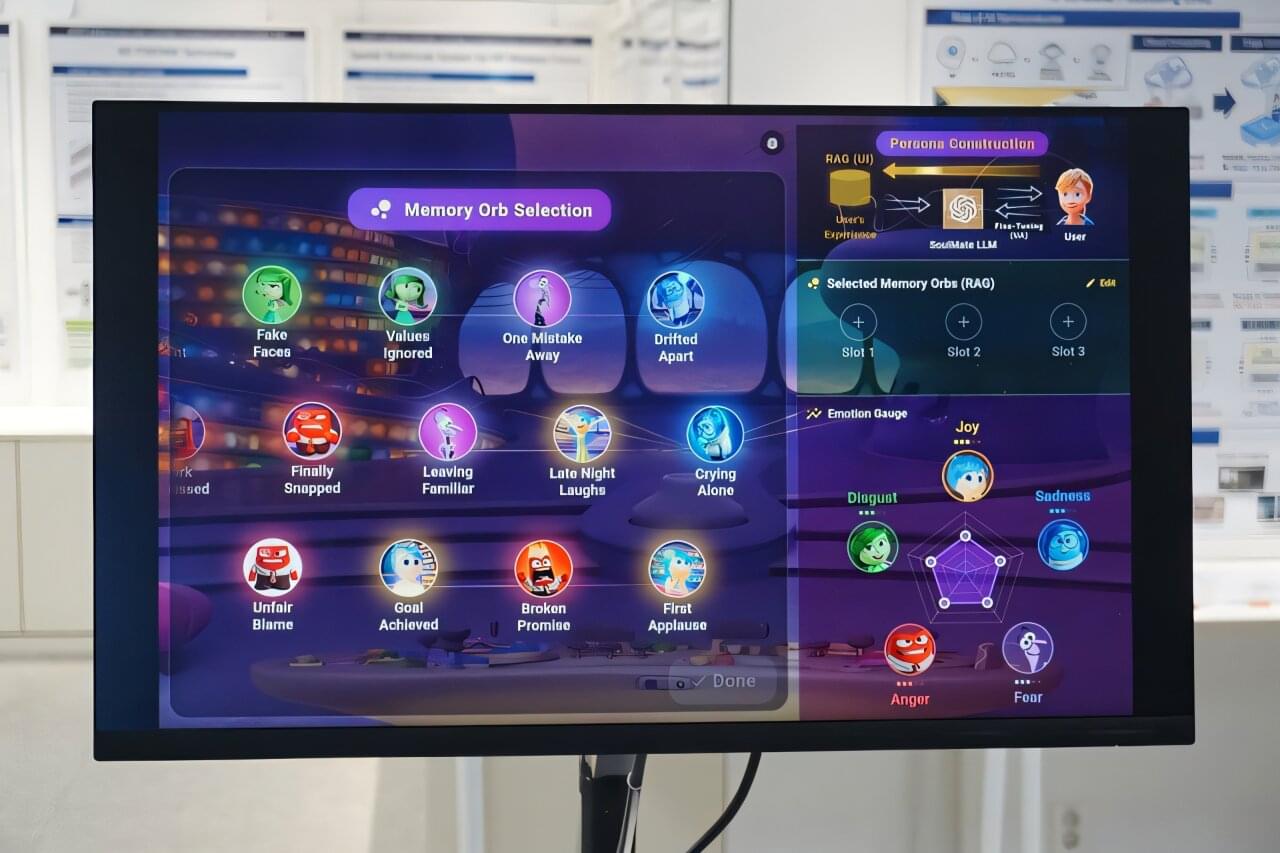
While large language models (LLMs) like ChatGPT are adept at answering countless questions, they often remain unaware of a user’s minor habits or previous conversational contexts. This is why AI, despite being deeply integrated into our daily lives, can still feel like a “stranger.” Overcoming these limitations, researchers at KAIST, led by Professor Hoi-Jun Yoo from the Graduate School of AI Semiconductors, have developed the world’s first AI semiconductor, dubbed “SoulMate,” which learns and adapts to a user’s speech style, preferences, and emotions in real-time—becoming a true “digital soulmate.”
This technology is being hailed as a core semiconductor breakthrough that will accelerate the era of “hyper-personalized AI”—moving beyond “AI for everyone” to an AI that learns and responds to an individual’s unique conversational style and preferences. The work is published in the proceedings of the 2026 IEEE International Solid-State Circuits Conference (ISSCC).
Regulation and activation of UvrD-family DNA helicases/ translocases.
For the past few decades, the active form of superfamily 1A (SF1A) UvrDfamily helicases has been controversial due to the absence of structures of the active dimeric form of these enzymes.
A key interaction in the monomeric structures is between a regulatory domain (2B) and duplex DNA that was proposed to facilitate DNA unwinding but is likely inhibitory.
However, recent cryo-EM structures show that Mycobacterium tuberculosis UvrD1 forms a covalent dimer, with dimerization occurring between the 2B domains of each subunit, resulting in major reorientations of the 2B domains that prevent the 2B–DNA interaction, thus relieving its inhibitory effect.
The same dimerization interface is used in Escherichia coli UvrD dimers, suggesting that this is a general mechanism to activate most SF1A helicases.
Due to these insights, textbook descriptions of helicase mechanisms based on the monomeric structures require re-evaluation. sciencenewshighlights ScienceMission https://sciencemission.com/conundrum-resolved

In this really interesting essay, Michalon et al discuss defining Alzheimer’s disease in response to recent discussions on revising the definition and diagnostic criteria for the condition. The essay provides interesting historical context to the debate.
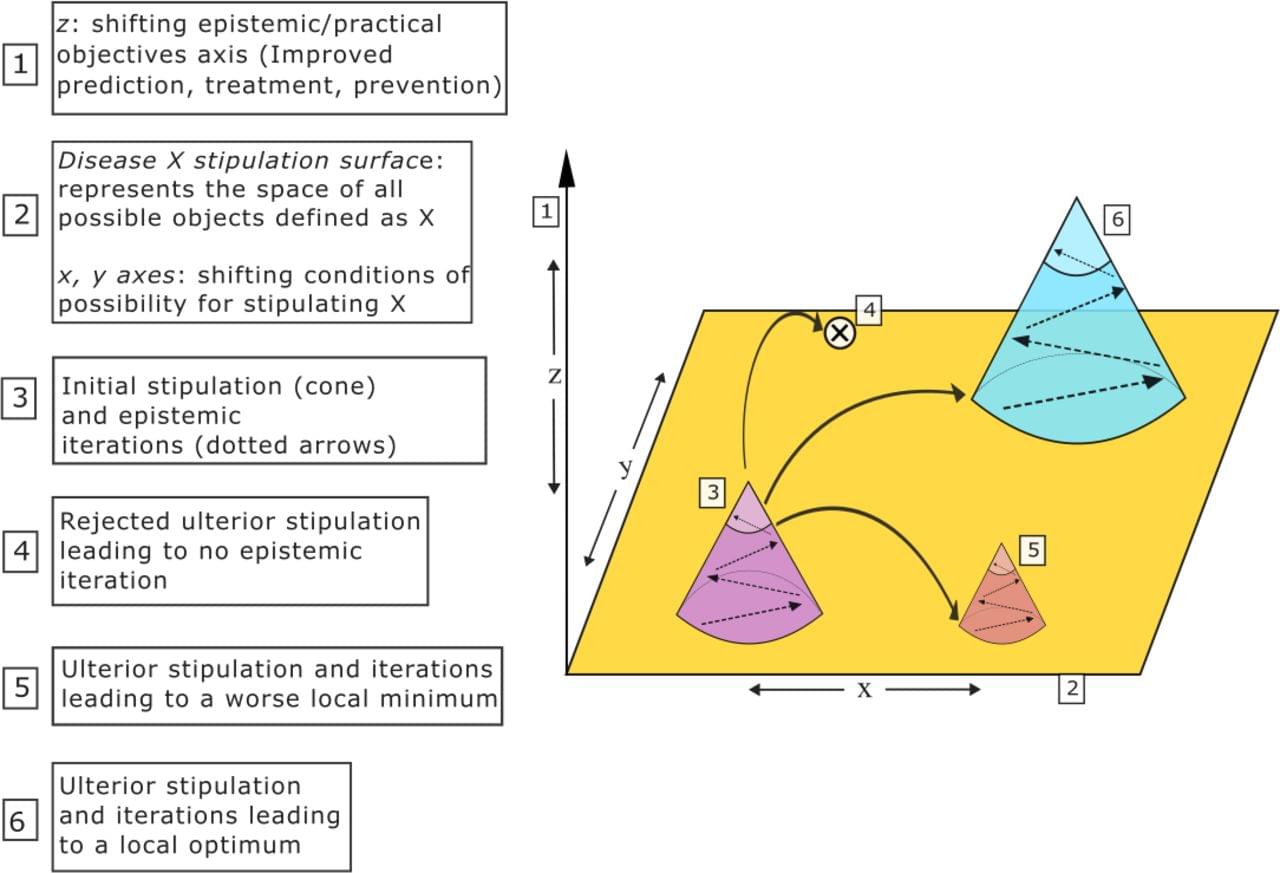
Recent revisions of Alzheimer’s Disease (AD) definitions by two leading research groups—the Alzheimer’s Association and the International Working Group—reflect divergent approaches: the former promotes a strictly biological definition, while the latter promotes a clinicalbiological construct. We contend that this emerging controversy is not merely semantic, but scientifically, clinically, and politically significant. Drawing on philosophical tools and situating the current debate within a broader historical context from the reconceptualization of AD in the 1970s onwards, we explore how definitions can serve as transformative instruments, acting as strategic bets that reshape scientific fields and clinical practices. Ultimately, we draw from the AD case study to argue for a critical reflection on the risks and promises of such definitional acts. We also propose a renewed attention to the ‘ethics of stipulating’ in the field of contemporary biomedical sciences.
In response to advances in diagnostics and therapeutics, two major research groups specialising in Alzheimer’s disease (AD) have recently revised their definition and diagnostic criteria for the condition. While they concur on certain aspects—most notably, the centrality of amyloid and tau pathologies—the two groups have proposed different types of definition. The Alzheimer’s Association (AA) group asserts the following fundamental principle: “AD is defined by its unique neuropathologic findings; therefore, detection of AD neuropathologic change by biomarkers is equivalent to diagnosing the disease” 1(p.5145). This definition regards specific biological changes as the unique defining feature rather than a joint characteristic, together with specific symptoms, of a disease. In this framework, asymptomatic individuals can be diagnosed with ‘preclinical AD’