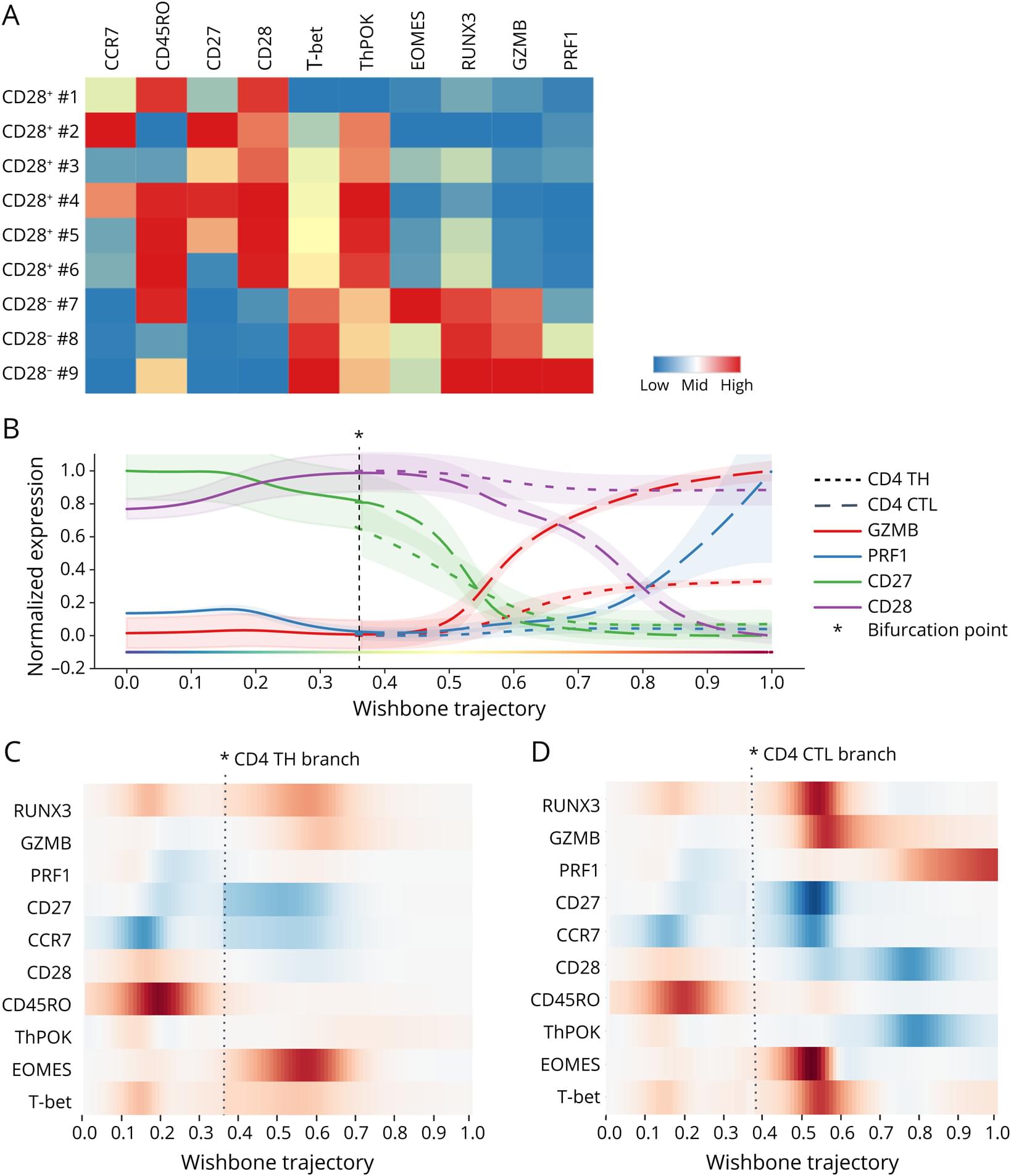
Background and ObjectivesChronic immune activation is a hallmark of latent viral infections and autoimmune disorders, profoundly shaping immune cell phenotypes, including CD4+ cytotoxic T lymphocytes (CD4 CTL). The mechanisms underlying CD4 CTL…
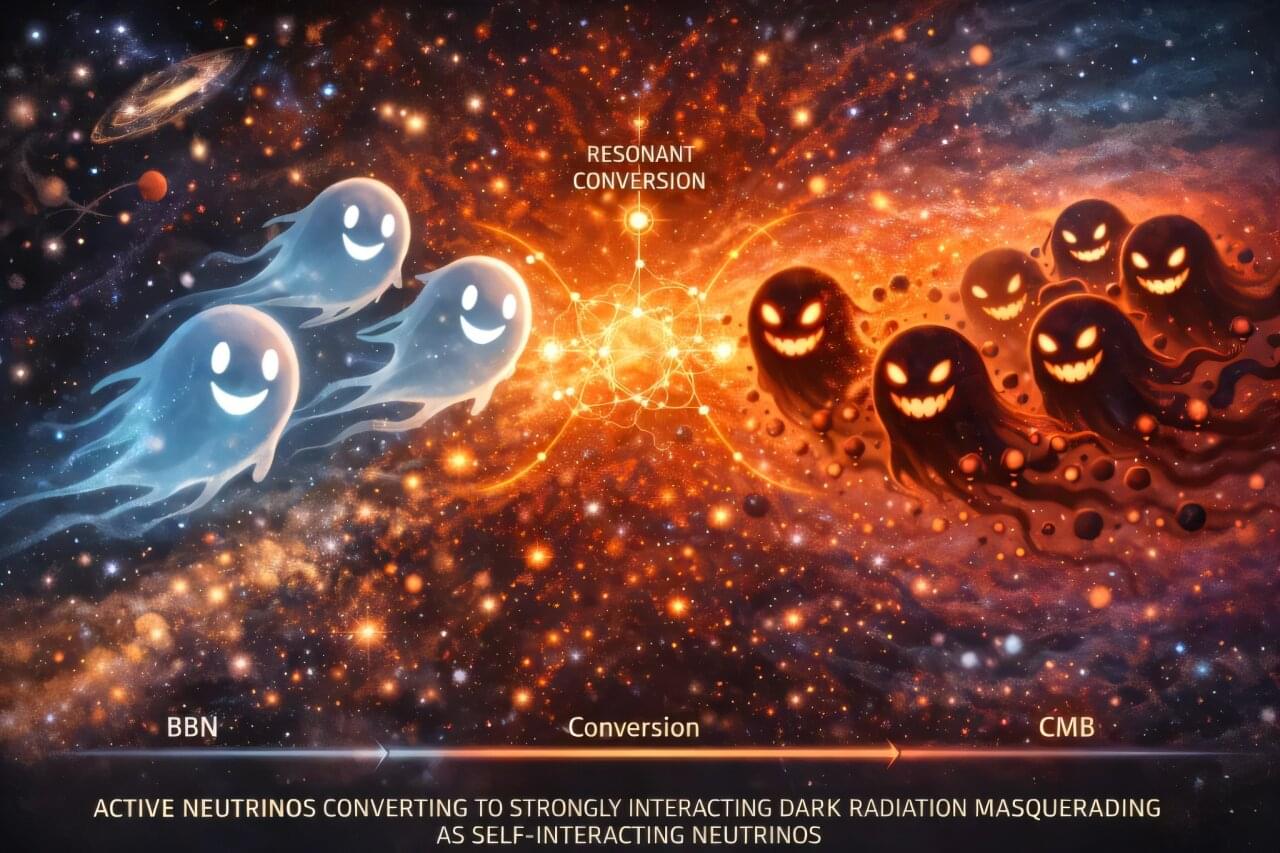
New research suggests that neutrinos in the early universe may have transformed into a previously unknown form of radiation. A study from Washington University in St. Louis offers a new way to explain certain puzzling observations about how the universe evolved.
Bhupal Dev and his colleagues report the results in a paper published in Physical Review Letters. Dev is an associate professor of physics in Arts & Sciences and a fellow of the McDonnell Center for the Space Sciences, both at WashU.
Neutrinos are among the most abundant particles in the universe. Often described as ghostlike because they interact so weakly with matter, neutrinos play an important role in shaping how cosmic structures form and evolve.
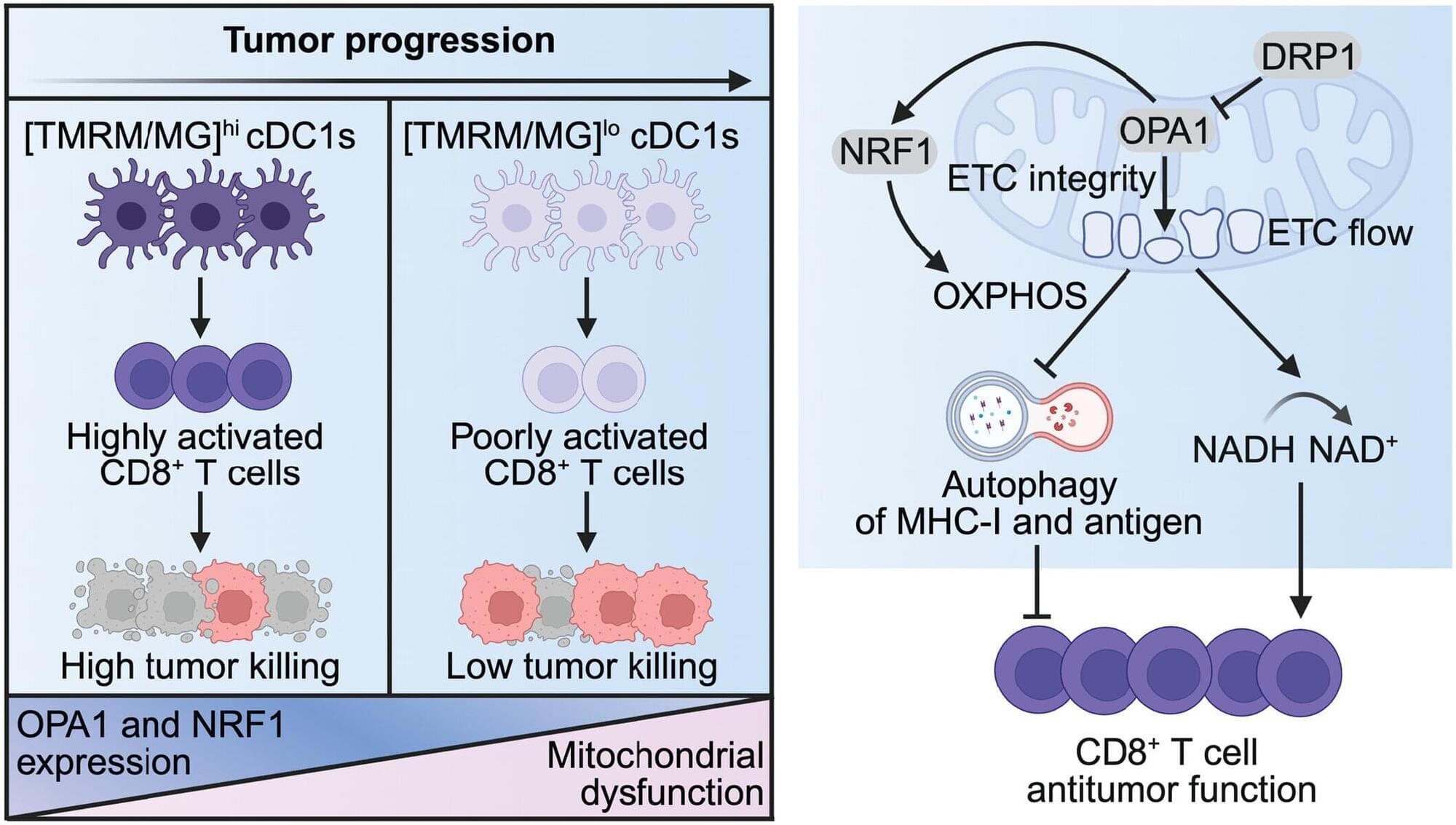
St. Jude Children’s Research Hospital scientists have discovered how tumors disable immune “gatekeeper” cells that alert the rest of the immune system to the presence of cancer—and how restoring their energy production can improve immunotherapy. Dendritic cells activate the cytotoxic immune cells that destroy cancer. The researchers found that tumors reduce dendritic cell function by decreasing their mitochondrial fitness, thus preventing formation of the anticancer immune response.
The results, published in Science, also show that boosting mitochondrial function in dendritic cells enhances antitumor immune activity and strengthens the efficacy of existing immunotherapies.
Dendritic cells alert and activate tumor-killing immune cells as a critical part of anticancer immune response. However, within the nutrient-sparse tumor microenvironment (the complex mixture of chemicals, cells and other factors near cancer cells), dendritic cells progressively lose their energy-producing mitochondrial activity. That loss drives dendritic cell dysfunction and weakens the body’s immune defenses against cancer.
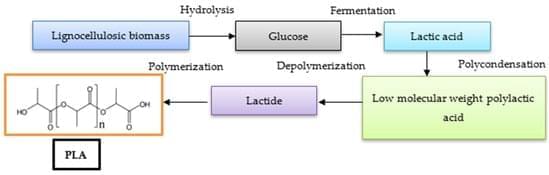
In recent years, membranes have found extensive applications, primarily in wastewater purification and food packaging. However, petroleum-based membranes can be detrimental to the environment. For this reason, extensive studies are being conducted to identify environmentally friendly substitutes for the materials used in membrane composition. Among these materials, polylactic acid (PLA) and poly(3-hydroxybutyrate) (PHB) are two bio-sourced and biodegradable polymers that can be derived from lignocellulosic waste. These polymers also possess suitable characteristics, such as thermal resistance and mechanical strength, which make them potential candidates for replacing conventional plastics.


This video is a compilation of some of the darkest science fiction stories I’ve covered on this channel. If you’ve been around for a while then you might have seen some of them, but some you may have not!
01:00 — The Killing Star.
14:10 — Nightfall.
31:40 — Annihilation.
44:29 — Metamorphosis of Prime Intellect.
01:01:51 — There is No Antimemetics Division.
01:21:52 — The Word for World Is Forest.
👽 Please consider supporting this channel on Patreon: / ideasoficeandfire.
or PAYPAL — https://paypal.me/QuinnsIdeas?locale… 🎨 Art: 🎵 Music: / @jamezdahlmusic 📚 Get These Books! Affiliate link* https://amzn.to/3AQ0aSs Quinn’s Discord:
/ discord FOLLOW QUINN ON TWITTER: Twitter:
/ ideasofice_fire I NOW HAVE A SUBREDDIT:
/ ideasoficeandfire Quinn’s New Graphic Novel: https://www.quinnhoward.net/theliebeh… Quinn’s Comic Books: https://www.quinnhoward.net/shop Quinn’s Website: https://www.quinnhoward.net Like me on Facebook!:
/ ioiaf 🎥 Mentioned Videos 🎬 Other Playlist Three-Body Playlist:
• Three Body Problem H.P. Lovecraft Playlist:
• LOVECRAFT Hyperion Playlist:
• Hyperion Dune Playlist:
• Dune Lore Explained Foundation Playlist:
• Isaac Asimov Feel free to leave a comment like and subscribe! Thanks For Watching!.
🎨 Art:
🎵 Music: / @jamezdahlmusic.
📚 Get These Books! Affiliate link*
https://amzn.to/3AQ0aSs.
Quinn’s Discord: / discord.
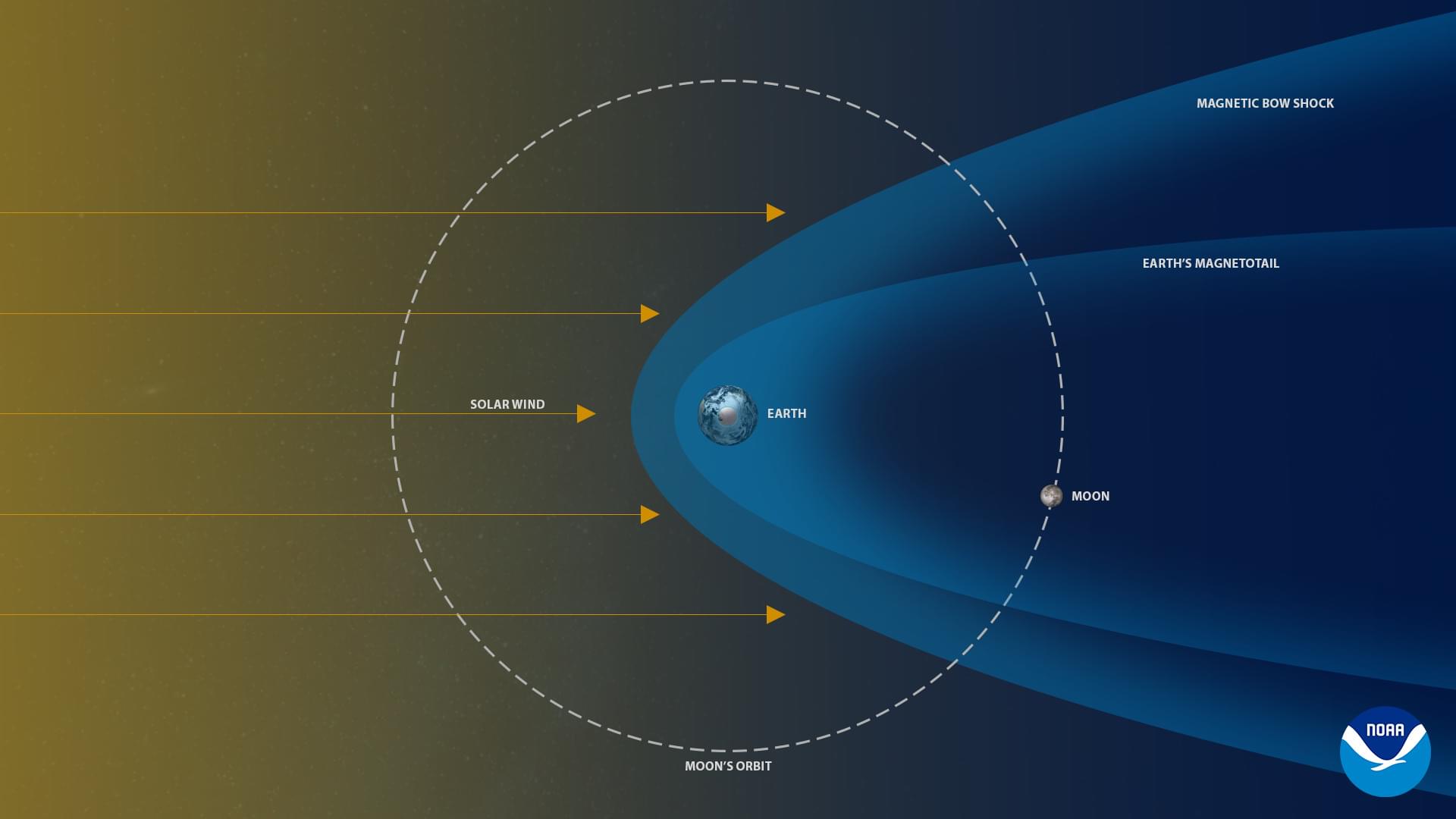
For the majority of its orbit, the moon remains outside Earth’s magnetic field and is directly exposed to the full force of the solar wind and energetic solar particles. Artemis II astronauts will therefore spend time outside this naturally occurring protective shield. Any overlap between periods of heightened solar activity and time spent beyond Earth’s magnetospheric protection could pose significant radiation risks to the crew.
NASA relies on operational space weather forecasts and warnings from NOAA’s Space Weather Prediction Center (SWPC). As the nation’s official around-the-clock space weather forecasting authority, SWPC provides direct, real-time support to human spaceflight missions. Observations from NOAA’s GOES satellites and the SOLAR-1 observatory at Lagrange point 1 will provide important measurements of solar wind speed, magnetic field orientation, and the flow of hazardous, high-energy particles. These observations allow SWPC to issue timely warnings if radiation levels approach thresholds that could affect astronaut safety. During the Artemis II mission, NOAA forecasters will continuously monitor solar wind conditions and evaluate any solar flares, coronal mass ejections (CMEs), or solar energetic particle events that may occur.
The Solar Ultraviolet Imager (SUVI), Extreme Ultraviolet and X-Ray Irradiance Sensors (EXIS), Space Environment In-Situ Suite (SEISS), and Magnetometer (MAG) are specialized instruments onboard the GOES-R Series satellites that measure solar activity and changes in Earth’s magnetic field. Additionally, the Compact Coronagraph (CCOR-1) onboard GOES-19 further enhances the detection of CMEs by providing continuous real-time monitoring of the sun’s corona, improving both measurement quality and warning lead time.