Toggle light / dark theme

Get the latest international news and world events from around the world.

Log in for authorized contributors

Time might not exist — and we’re starting to understand why

Consider two events, A and B, such as flashes of light made by two sources in different places.

Cause and effect means there are three possibilities: 1) Flash A happened before flash B, and via some mechanism, could have triggered B; 2) Flash B happened before Flash A and could have triggered it; 3) Neither one could have triggered the other because they are too far apart in space and too close in time for a triggering signal to have been sent from one location to the other.

Now, Einstein’s Special Theory of Relativity states that all observers, no matter how fast they’re moving relative to each other, see light travelling at the same constant speed.

This strange but simple fact can lead to observers seeing events happening in different orders.

For option above, two observers moving relative to each other close to the speed of light might disagree on the ordering of flashes.

Thankfully, there’s no danger of an effect coming before its cause (known as a ‘violation of causality’) since the events are too far apart for either to cause the other.

However, what if options and coexisted in a quantum superposition? The causal order of the two events would no longer be fixed.

Psoriasis rates rise globally, with highest burden in wealthier regions

Researchers in China report that global incidence rates of psoriasis rose slightly from 1990 to 2021 and are projected to continue rising for both men and women through 2050.

Psoriasis is a chronic inflammatory skin disease that continues to impose a growing global burden. Understanding the rate of increase is critical for informing public health strategies, improving health care access, and supporting early diagnosis worldwide.

In the study, “Global Psoriasis Burden and Forecasts to 2050,” published as a Research Letter in JAMA Dermatology, researchers used a time-series forecasting analysis to project global psoriasis incidence through 2050 and to address age, sex, and regional differences in burden.

Where does Everything come from?

Sharpen your logic skills with Brilliant! Start learning for free at https://brilliant.org/sabine/ and get 20% off a premium subscription, which includes daily unlimited access!

The universe is full of a seemingly unending number of different things, from subatomic particles to plants and animals to gas giants and supernovae. But where did all of this stuff (for lack of a better word) come from? Let’s take a look.

👕T-shirts, mugs, posters and more: ➜ https://sabines-store.dashery.com/
💌 Support me on Donorbox ➜ https://donorbox.org/swtg.
👉 Transcript with links to references on Patreon ➜ / sabine.
📝 Transcripts and written news on Substack ➜ https://sciencewtg.substack.com/
📩 Free weekly science newsletter ➜ https://sabinehossenfelder.com/newsle… Audio only podcast ➜ https://open.spotify.com/show/0MkNfXl… 🔗 Join this channel to get access to perks ➜ / @sabinehossenfelder 📚 Buy my book ➜ https://amzn.to/3HSAWJW #science #physics #philosophy.
👂 Audio only podcast ➜ https://open.spotify.com/show/0MkNfXl
🔗 Join this channel to get access to perks ➜
/ @sabinehossenfelder.
📚 Buy my book ➜ https://amzn.to/3HSAWJW

#science #physics #philosophy

From fullerenes to 2D structures: A unified design principle for boron nanostructures

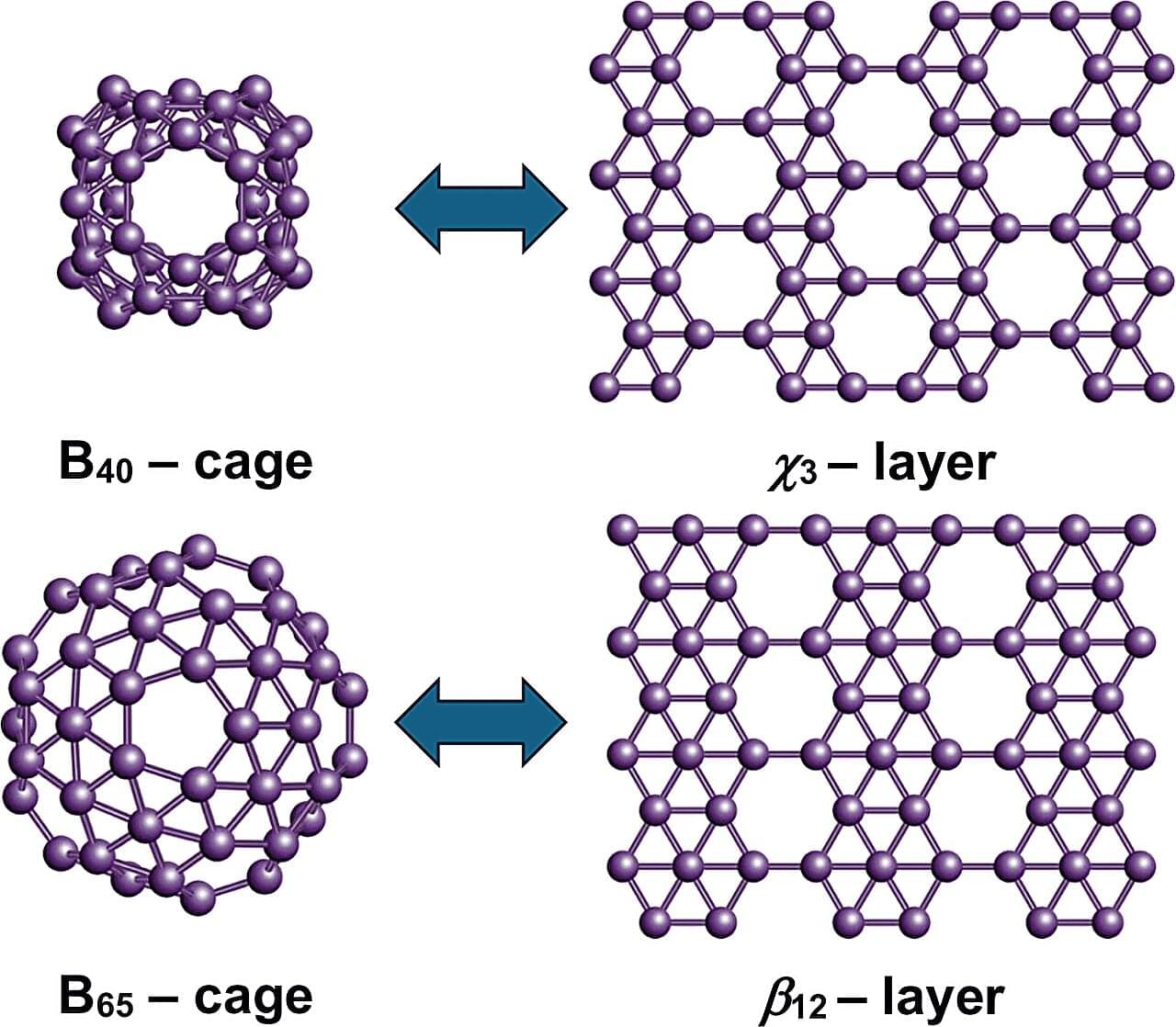
Boron, a chemical element next to carbon in the periodic table, is known for its unique ability to form complex bond networks. Unlike carbon, which typically bonds with two or three neighboring atoms, boron can share electrons among several atoms. This leads to a wide variety of nanostructures. These include boron fullerenes, which are hollow, cage-like molecules, and borophenes, ultra-thin metallic sheets of boron atoms arranged in triangular and hexagonal patterns.

Dr. Nevill Gonzalez Szwacki has developed a model explaining the variety of boron nanostructures. The analysis, published in the journal 2D Materials, combines more than a dozen known boron nanostructures, including the experimentally observed B₄₀ and B₈₀ fullerenes.

Using first-principles quantum-mechanical calculations, the study shows that the structural, energetic, and electronic properties of these systems can be predicted by looking at the proportions of atoms with four, five, or six bonds. The results reveal clear links between finite and extended boron structures. The B₄₀ cage corresponds to the χ₃ borophene layer, while B₆₅, B₈₀, and B₉₂ connect with the β₁₂, α, and bt borophene sheets, respectively. These structural links suggest that new boron cages could be created by using known two-dimensional boron templates.

Plant hormone allows lifelong control of proteins in living animal for first time

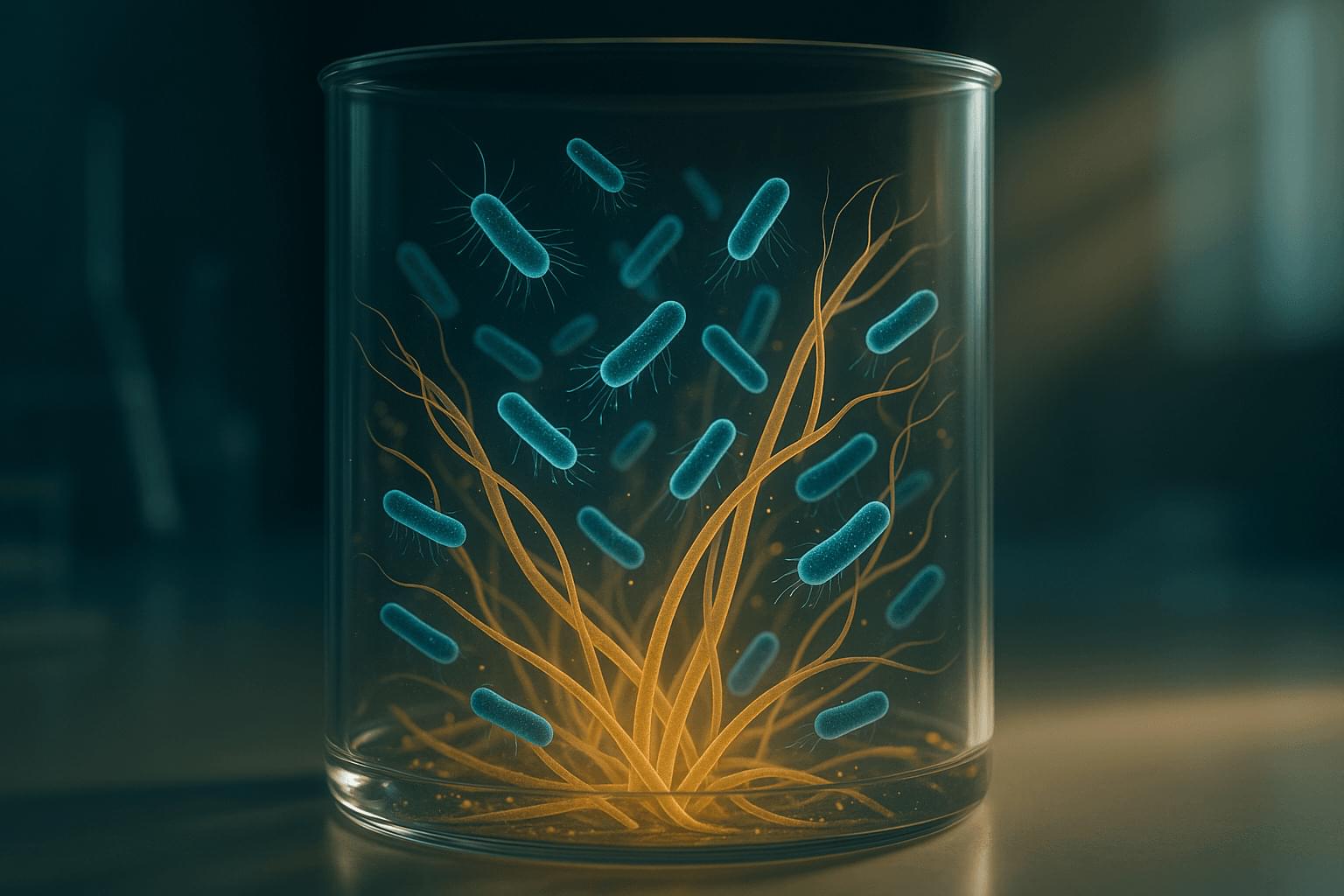
Researchers have found a way to control protein levels inside different tissues of a whole, living animal for the first time. The method lets scientists dial protein levels up or down with great precision during the animal’s entire life, a technological advance which can help them study the molecular underpinnings of aging and disease.

Scientists at the Center for Genomic Regulation in Barcelona and the University of Cambridge successfully tested the technique by controlling how much protein was present in the intestines and neurons of the nematode worm Caenorhabditis elegans. Their findings are described in the journal Nature Communications.

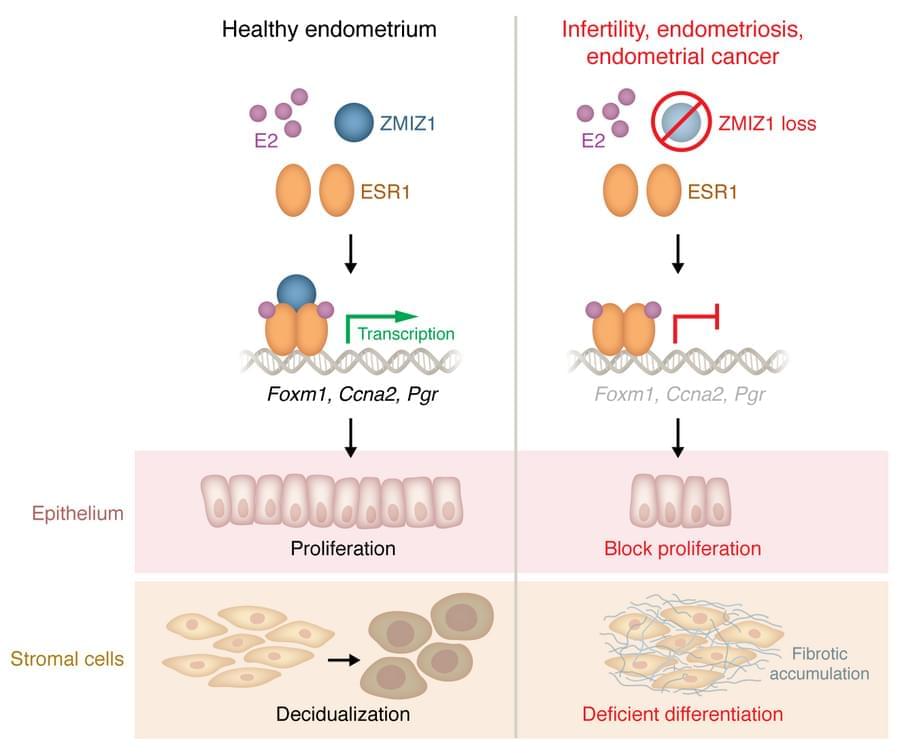
Abstract: ZMIZ1 and estrogen receptor α form an essential partnership in endometrial biology:

This Commentary by Md Saidur Rahman, Kyeong A. So & Jae-Wook Jeong discusses Sylvia C. Hewitt et al.: https://doi.org/10.1172/JCI193212


1Department of Obstetrics, Gynecology & Women’s Health, University of Missouri School of Medicine, Columbia, Missouri, USA.

2Department of Obstetrics and Gynecology, Konkuk University School of Medicine, Seoul, Republic of Korea.

Address correspondence to: Jae-Wook Jeong, 1,030 Hitt Street, NextGen Precision Health Building, Columbia, Missouri 65,211, USA. Phone: 573.884.1882; Email: [email protected].

Dr. Norman Putzki, MD — Novartis — Gene Therapy And A New Era Of Neuroscience

Gene Therapy And A New Era Of Neuroscience — Dr. Norman Putzki, MD — SVP, Global Clinical Development Head, and U.S. Development Site Head, Novartis.


Dr. Norman Putzki, MD is Senior Vice President, Global Clinical Development Head, and U.S. Development Site Head at Novartis (https://www.novartis.com/) where he oversees global teams working on next-generation gene therapies, RNA-based medicines, targeted biologics, and innovative small molecules.

Dr. Putzki most recently served as Global Head of Development for Neuroscience and Gene Therapy at Novartis, where he oversaw one of the world’s most ambitious pipelines aimed at transforming the lives of patients with neurological, neuromuscular, and rare genetic diseases.

A physician–scientist by training, with an MD from University of Duisburg Essen, Dr. Putzki has built a career at the intersection of clinical medicine, translational research, and large-scale drug development.

Before joining Novartis, Dr. Putzki led programs across multiple therapeutic areas at Biogen Idec and has played key roles in advancing clinical treatments for conditions long considered intractable including MS and Parkison’s disease.

How to build a genome: Scientists release troubleshooting manual for synthetic life

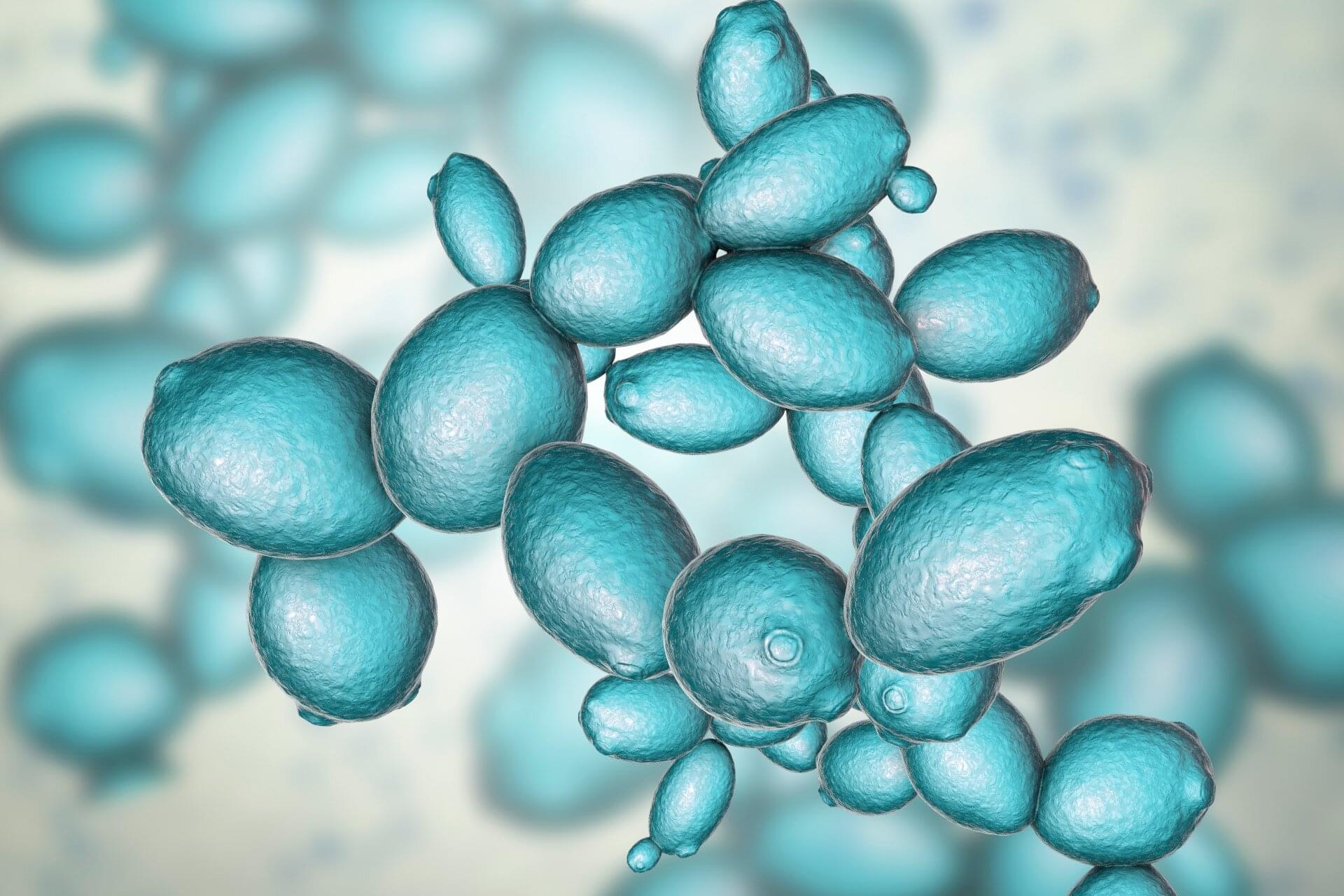
Leading synthetic biologists have shared hard-won lessons from their decade-long quest to build the world’s first synthetic eukaryotic genome in a Nature Biotechnology paper. Their insights could accelerate development of the next generation of engineered organisms, from climate-resilient crops to custom-built cell factories.

“We’ve assembled a comprehensive overview of the literature on how to build a lifeform where we review what went right—but also what went wrong,” says Dr. Paige Erpf, lead author of the paper and postdoctoral researcher at Macquarie University’s School of Natural Sciences and the Australian Research Council (ARC) Center of Excellence in Synthetic Biology.

The Synthetic Yeast Genome Project (Sc2.0) involved a large, evolving global consortium of 200-plus researchers from more than ten institutions, who jointly set out to redesign and chemically synthesize all 16 chromosomes of baker’s yeast from scratch. Macquarie University contributed to the synthesis of two of these chromosomes, comprising around 12% of the project overall.

/* */