Now to see where it goes.
Get the latest international news and world events from around the world.
Applying Clinical Licensure Principles to Artificial Intelligence
Editorial: Proposals to apply clinician-style licensure to AI tools may allow adaptive oversight as AI models grow more complex. Implementation challenges include defining responsible parties and ensuring adequate regulatory expertise.
In this issue of JAMA Internal Medicine, Bressman et al1 propose a clever thought experiment: what if medical tools incorporating artificial intelligence (AI) were licensed as advanced practitioners, rather than solely regulated by the US Food and Drug Administration (FDA)? This strategy seeks to provide an alternative or complement to FDA clearance in regulation of medical software incorporating AI. The authors suggest this may allow the necessary flexibility to keep up with the pace of change in AI, the breadth of applications for a given model, and the need to ensure that such tools demonstrate clinical utility.2
Many instances of more specific, single-purpose AI applications can be adequately regulated within existing frameworks. However, generative AI may be deployed in a wide range of contexts, and models may continue to develop over time. Because these models are probabilistic rather than deterministic, they may make errors that are analogous to human errors, for example, mistakes due to inadequate knowledge or lapses in judgment. Bressman et al1 argue that an appropriately flexible framework for certification already exists in the form of licensing oversight of advanced practitioners. With this approach, the extent of supervision depends on the particular activity, with some tasks requiring more oversight than others.
The proposal leaves a number of critical details to be resolved. Any AI licensing system will need to be able to evaluate and address a model’s specific potentials for harm before deployment; thus, some central regulation likely will continue to be required. In addition, determining who will take on the responsibility and oversight for decisions and treatment pathways generated by AI, as well as assume the liability for errors or adverse events, remains a thorny question. These considerations are again analogous to those of clinician licensing, but although medical boards are well positioned for licensing, the extent to which a similar approach could be developed with the necessary expertise for AI in medicine remains to be seen.
Successful 40-Hz auditory stimulation in aged monkeys suggests potential for noninvasive Alzheimer’s therapy
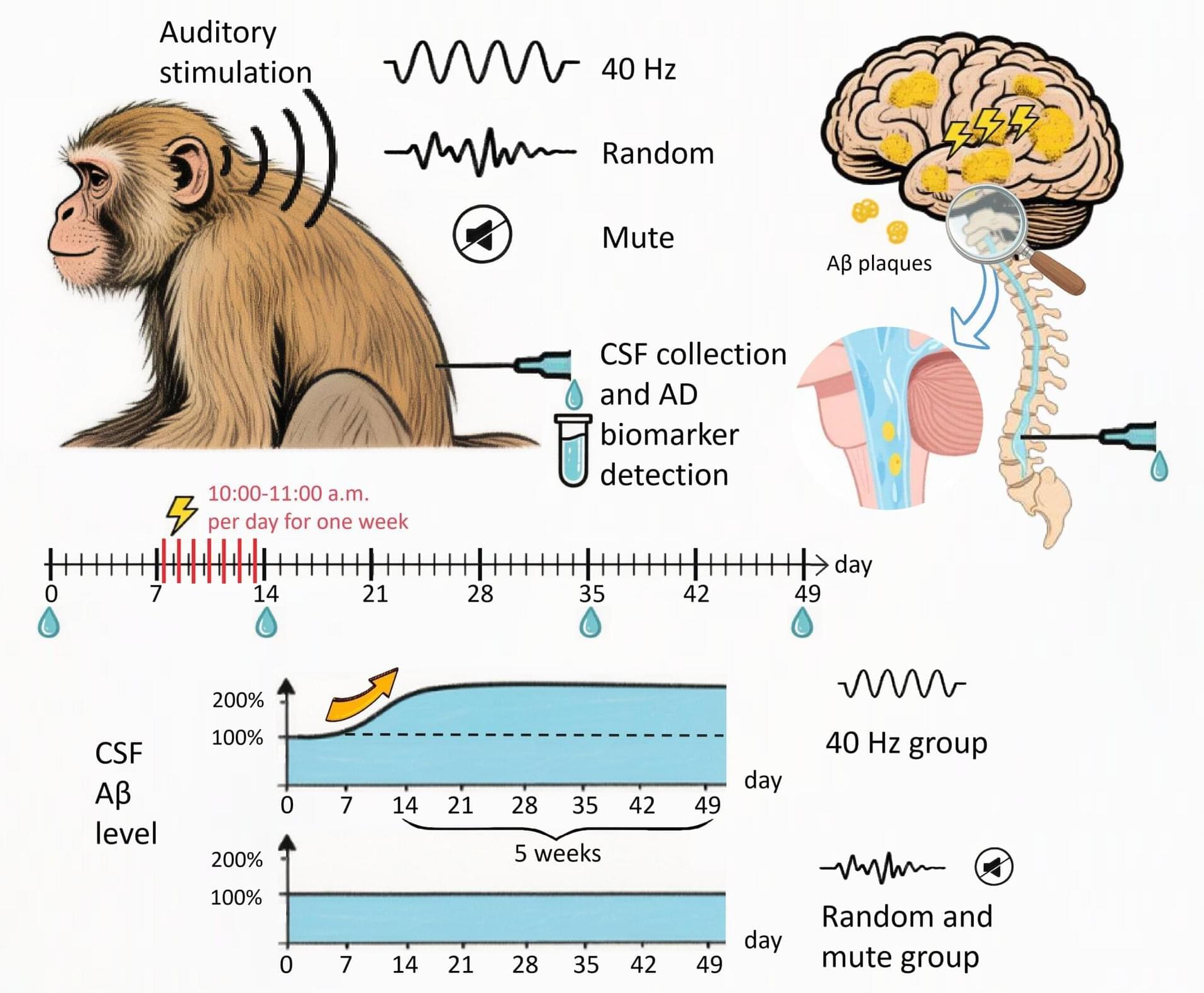
A research team from the Kunming Institute of Zoology (KIZ) of the Chinese Academy of Sciences has demonstrated for the first time in non-human primates that auditory stimulation at 40 Hz significantly elevates β-amyloid levels in the cerebrospinal fluid (CSF) of aged rhesus monkeys, with this effect persisting for over five weeks.
The study, published in the Proceedings of the National Academy of Sciences on January 5, provides the first non-human primate experimental evidence supporting the use of 40-Hz stimulation as a noninvasive physical therapy for Alzheimer’s disease (AD), revealing significant differences between primate and rodent models.
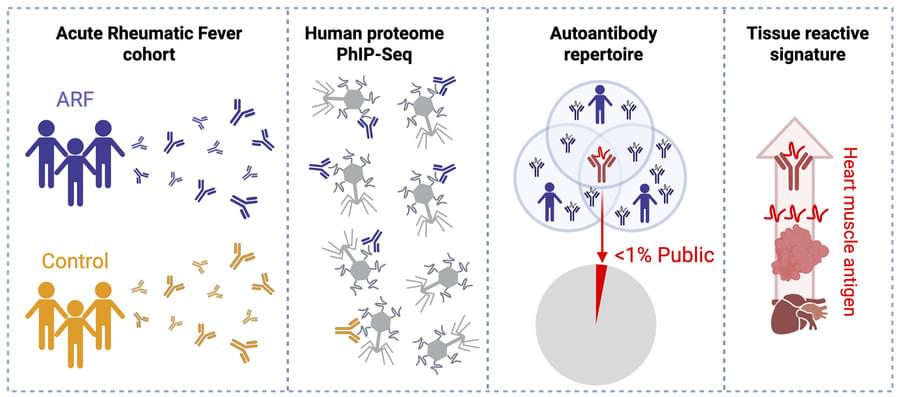
Acute RheumaticFever is an autoinflammatory disease, but the autoantibody landscape had not been characterized
Here, Nicole J. Moreland & team report widespread antibody heterogeneity between cases, yet identify a protein expressed in cardiac muscle as an immunodominant autoantigen with potential as a diagnostic biomarker.
1Department of Molecular Medicine, and.
2Maurice Wilkins Centre for Biodiscovery, The University of Auckland, Auckland, New Zealand.
3Department of Genetics and Genomic Sciences, Icahn School of Medicine at Mount Sinai, New York, New York, USA.
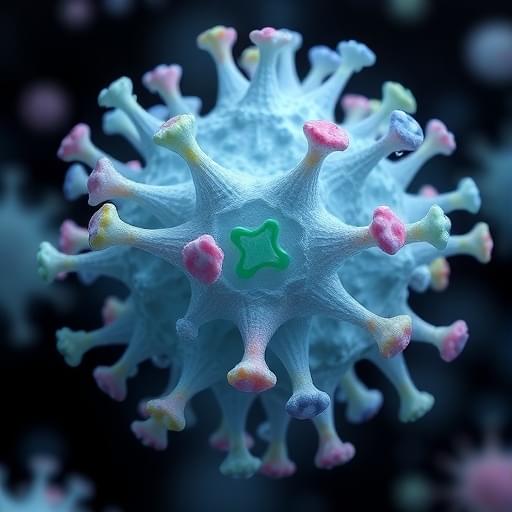
Revolutionizing Research: Organoid Analytical Toolkits Unveiled
In recent years, the field of biomedical research has been dramatically transformed through the advent of three-dimensional (3D) cell culture systems, notably organoids. These miniature organ-like structures hold immense promise for mimicking the complex architectural and functional properties of native organs, surpassing the limitations inherent to traditional two-dimensional (2D) culture systems. With the capability to replicate essential cellular interactions and microenvironments, organoids provide a more physiologically relevant platform for understanding human biology and disease mechanisms. As researchers explore the potential of organoids to revolutionize drug discovery, disease modeling, and personalized medicine, there is a pressing need for sophisticated analytical techniques to assess their multifaceted characteristics accurately.
The identification and application of compatible analytical platforms are pivotal to the successful characterization of organoids. Traditional methods often fail to capture the intricate electrophysiological, biophysical, and optical properties inherent in these 3D structures. As such, researchers are increasingly turning to advanced technologies that allow for a more comprehensive understanding of organoid function, behavior, and development. By integrating omics approaches and computational modeling with experimental data, scientists can forge a pathway to elucidate the biological principles governing organoid physiology. This multidisciplinary approach promises to enhance the reliability and applicability of organoids in clinical and industrial settings.
Electrophysiological assessment is one crucial aspect that cannot be overlooked. The ability to monitor cellular electrophysiology within organoids reveals invaluable insights into neural function, cardiac rhythms, and tissue connectivity. Techniques such as extracellular recordings and patch-clamp electrophysiology are becoming standard in organoid research, enabling scientists to analyze the functional behaviors of electrically active cells. By understanding how electrical signals propagate through organoid structures, researchers can gain a deeper understanding of various pathophysiological conditions, including neurological disorders and arrhythmias.
Artificial ‘pain nerves’ could give humanoid robots human-like reflexes
New self-healing electronic nerves allow robots to “learn” what is dangerous.
Chinese researchers have built a self-healing gelatin sensor that lets robots rate pain and protect themselves after damage.

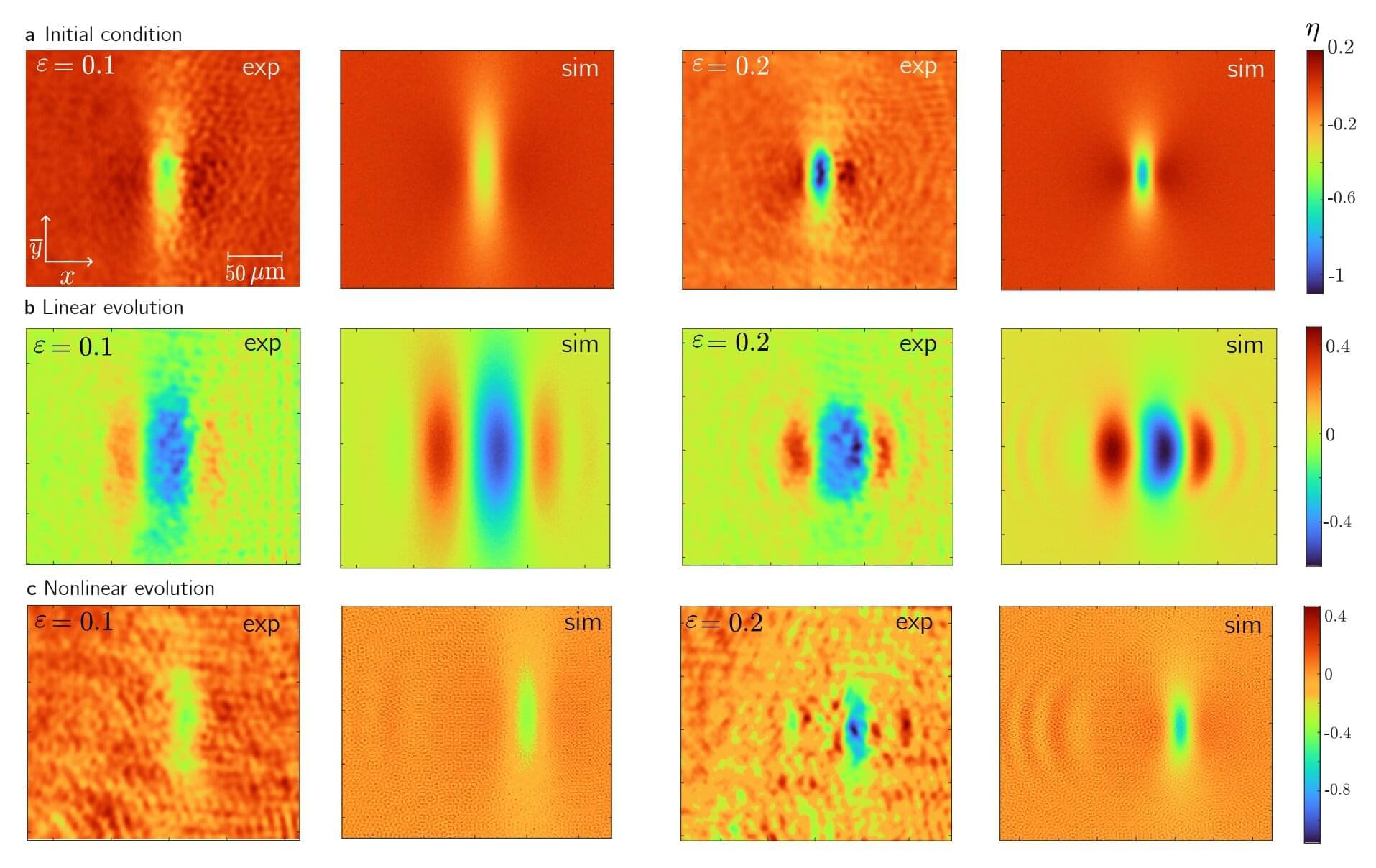
Physicists create resilient 3D solitons in the lab
For the first time, physicists in Italy have created a ‘lump soliton’: an extremely stable packet of light waves which can travel through 3D space, and even interact with other solitons without losing its shape.
Led by Ludovica Dieli at Sapienza University of Rome, the team achieved their result using a specially engineered crystal, whose responses to incoming light beams could be tightly controlled using an external voltage. Their study appears in Physical Review Letters.